
Fiji History MuseumTravel to the past.
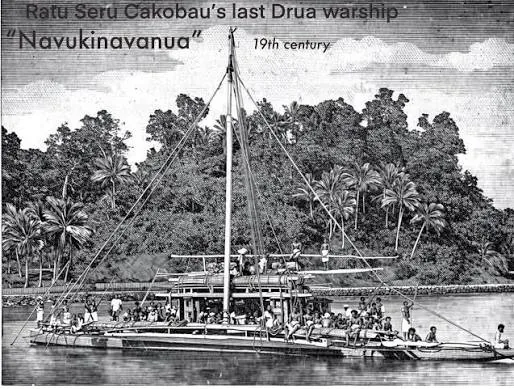
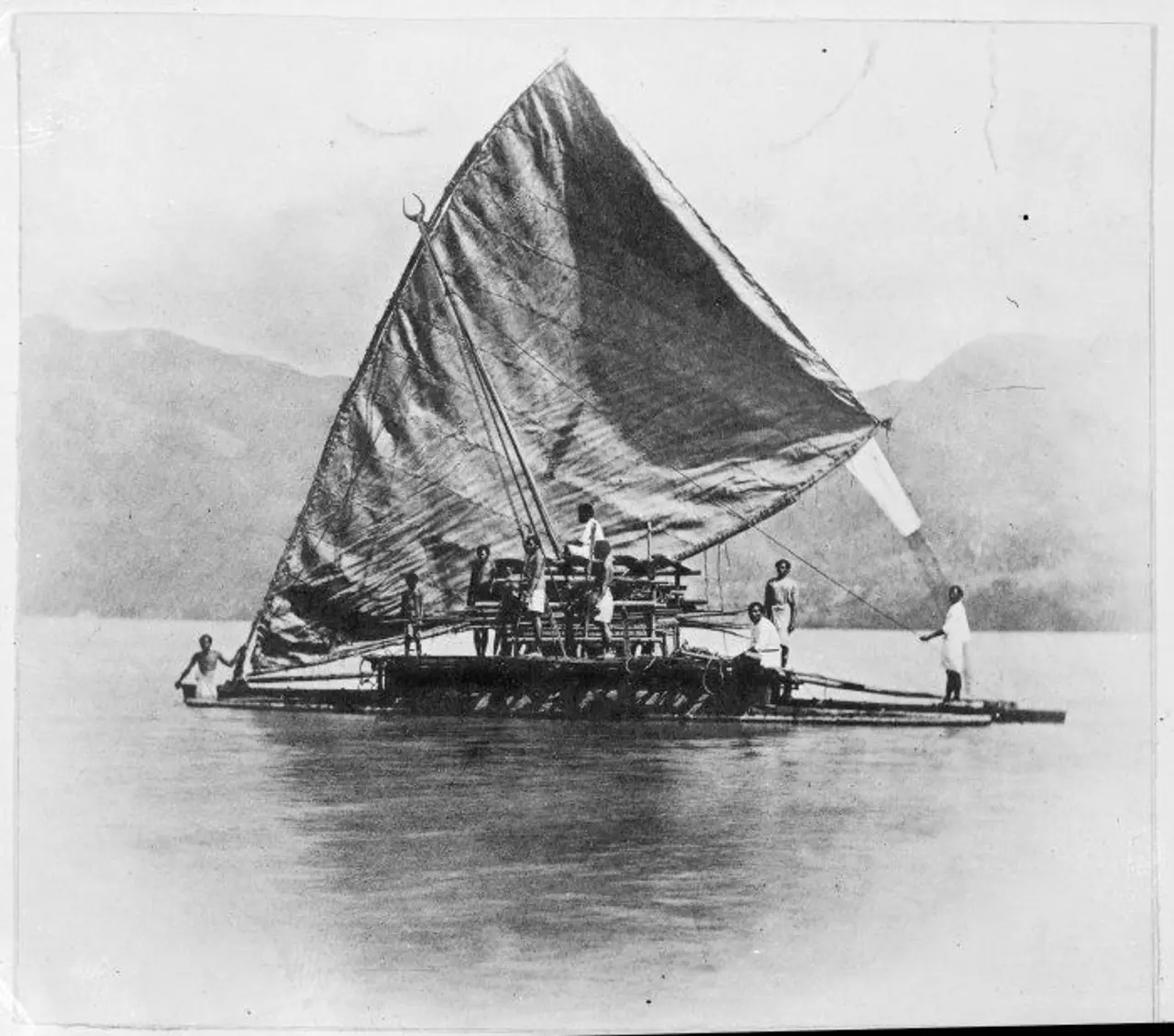
The drua Navukinavanua, described as Ratu Seru Cakobau’s last war canoe — 19th-century photograph
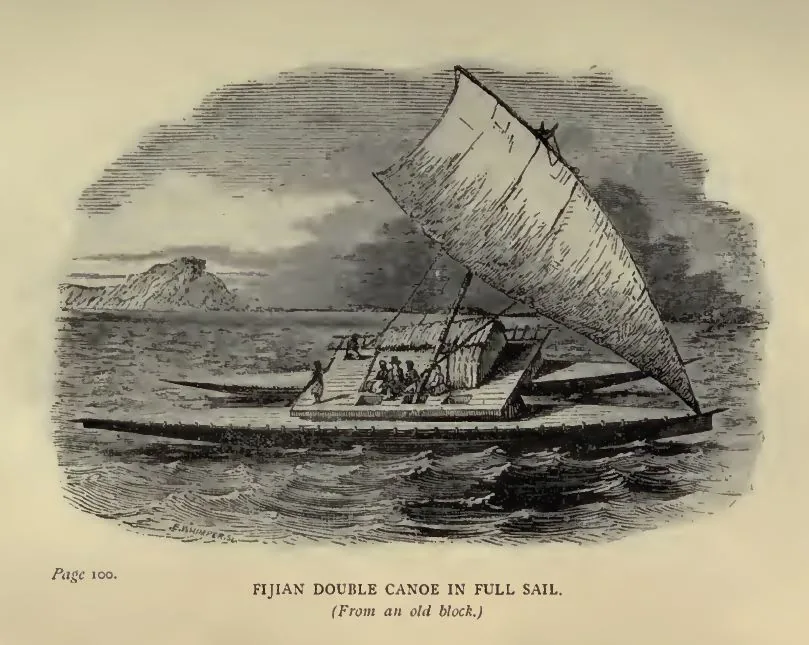
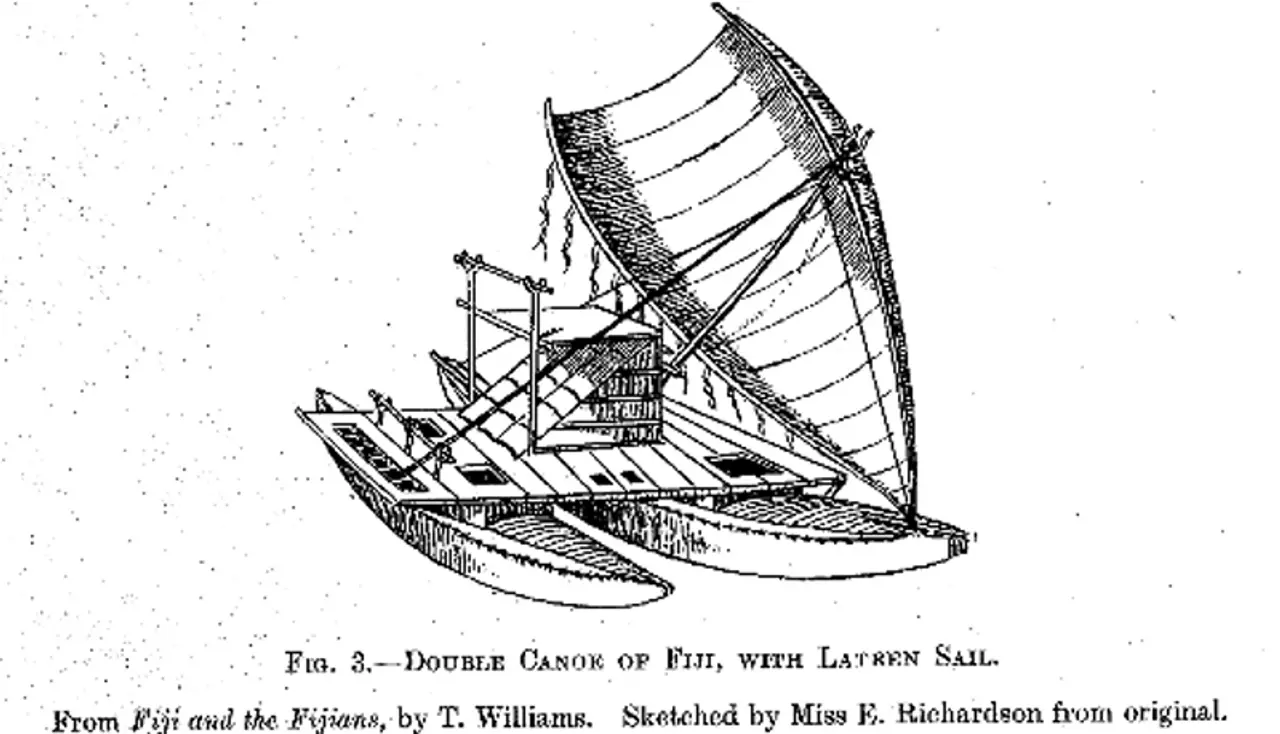
Fijian double canoe in full sail — 19th-century engraving “from an old block”
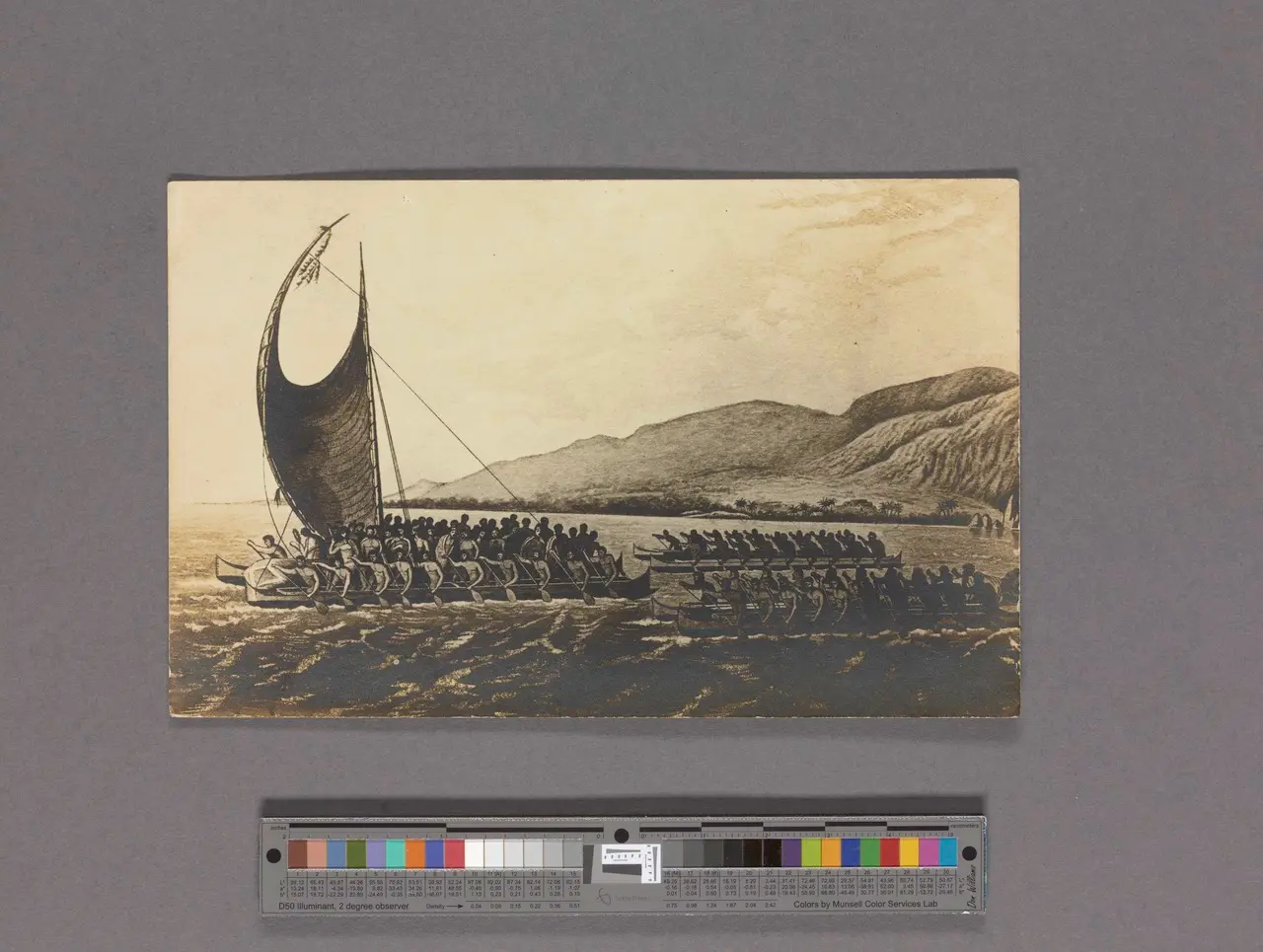
By the mid-19th century some drua measured 30 metres in length and were capable of carrying over 100 men. (1856)
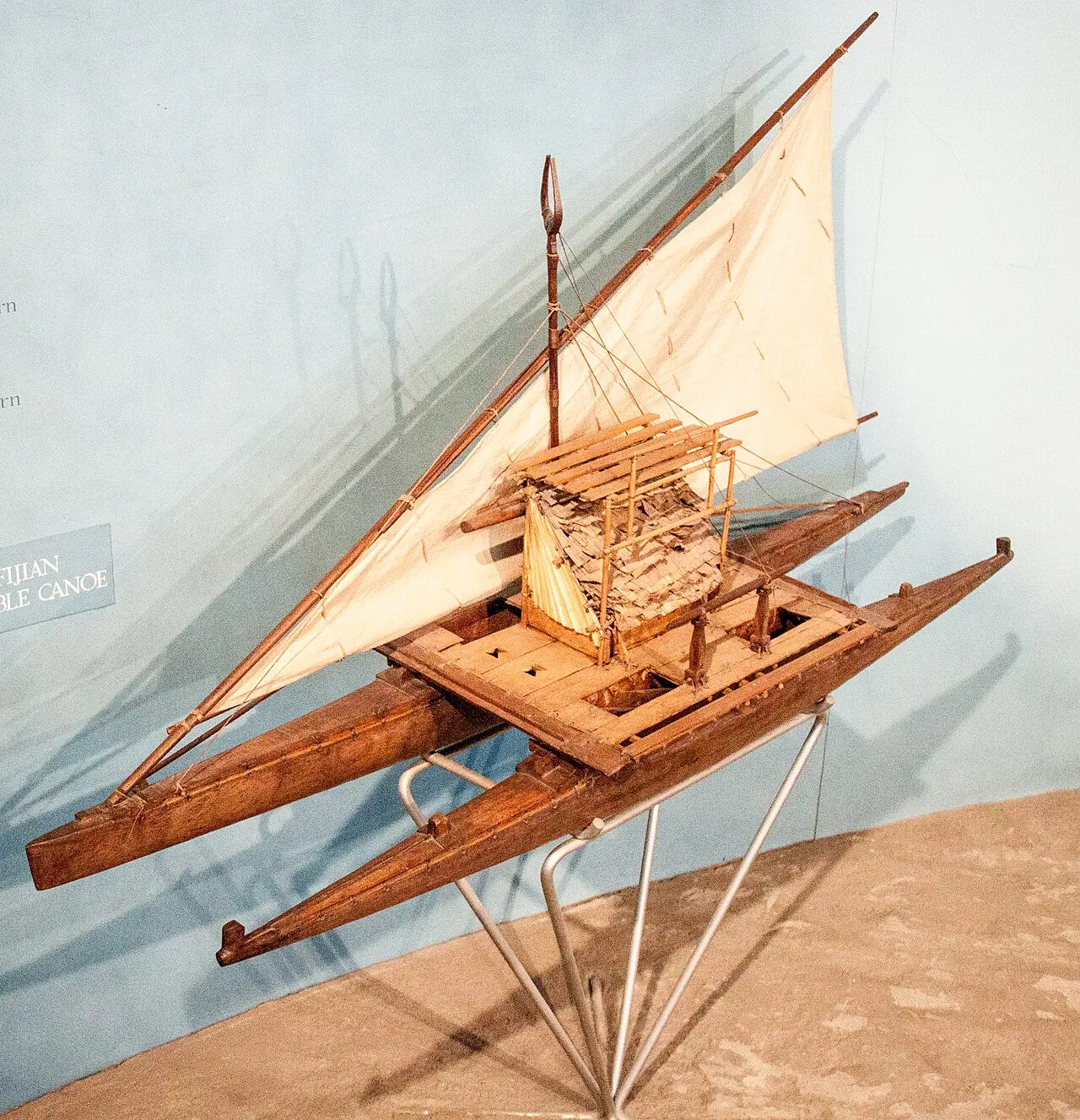
Model of a Fijian double canoe (drua), Otago Museum
Fijian druas (1913)
Fijians on a drua (double-hulled canoe), 1800s
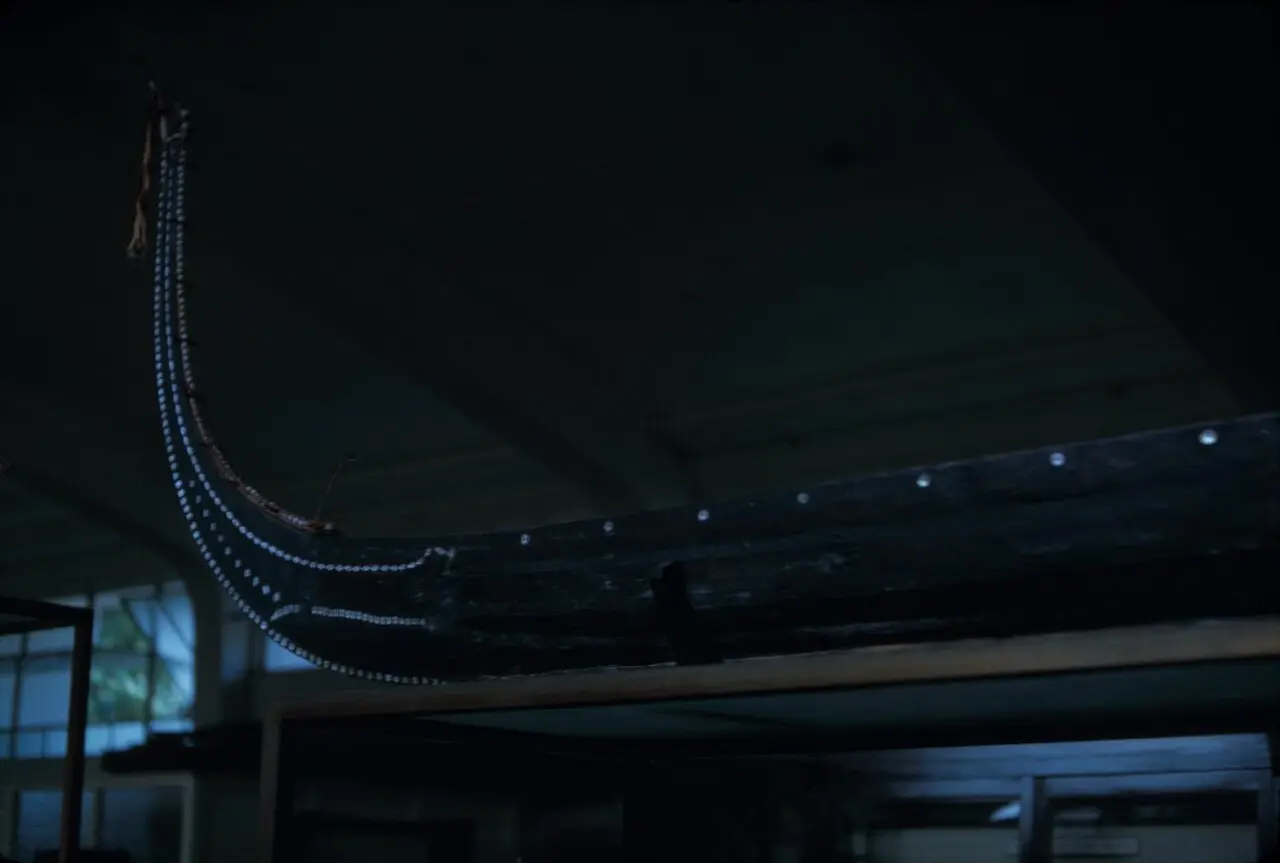
Photograph of sailing canoe or "drua" in the Fiji Museum in Suva, Fiji. (1962)
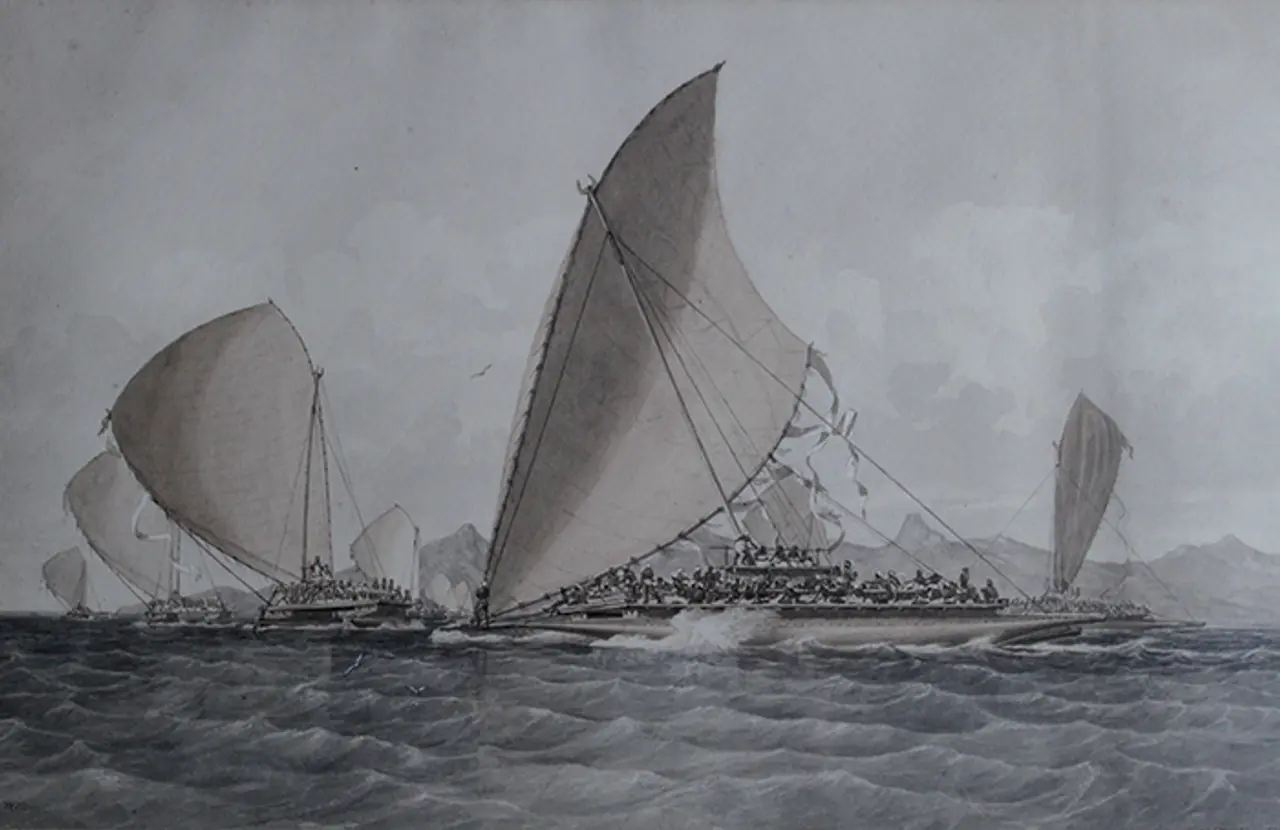
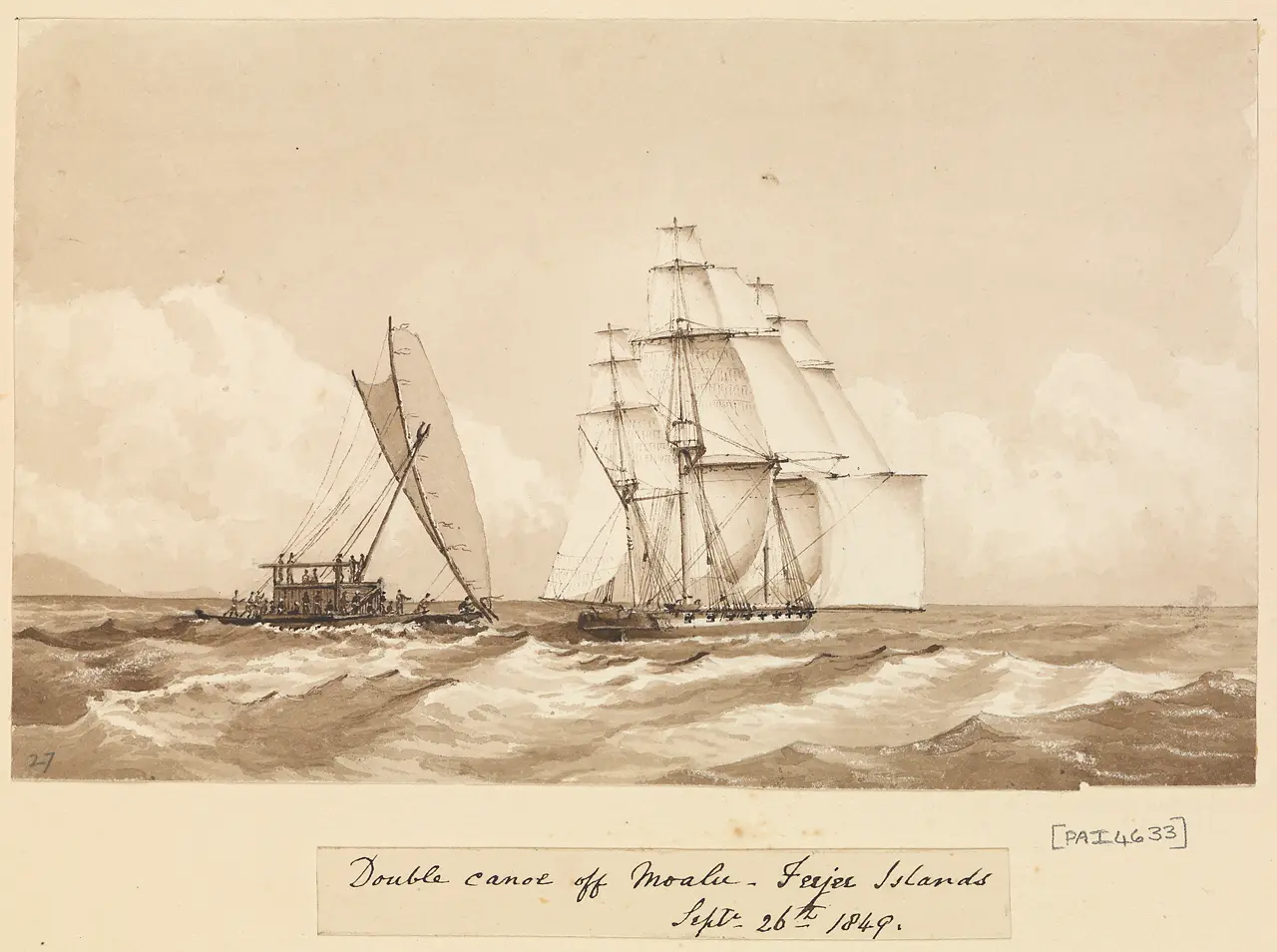
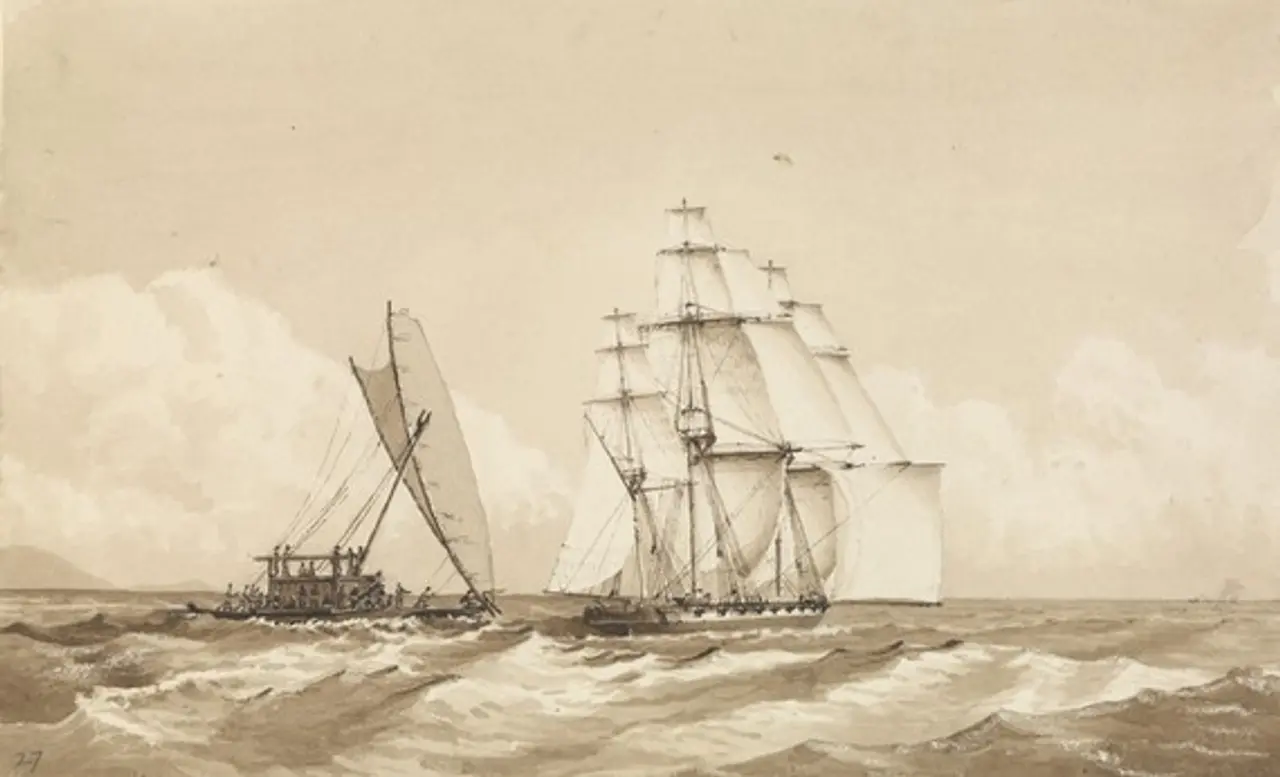
Edward Gennys Fanshawe, Double canoe off Moalu, Feejee Islands, Septr 26th 1849 (Fiji)
Fijian double hulled canoe 1849
A Fijian double canoe of the 19th century (published 1925)
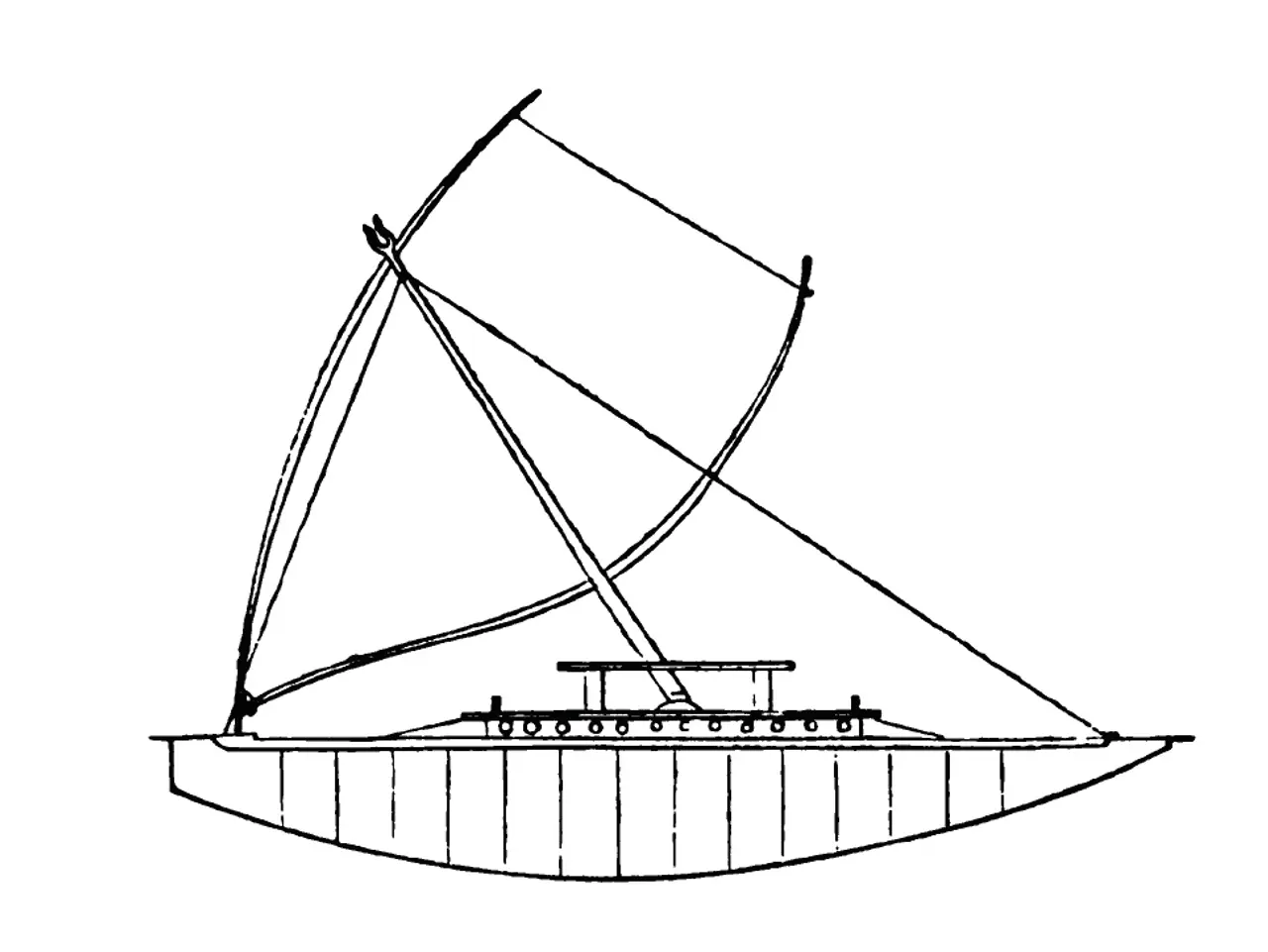
Fijian canoe, schematic diagram (1858)
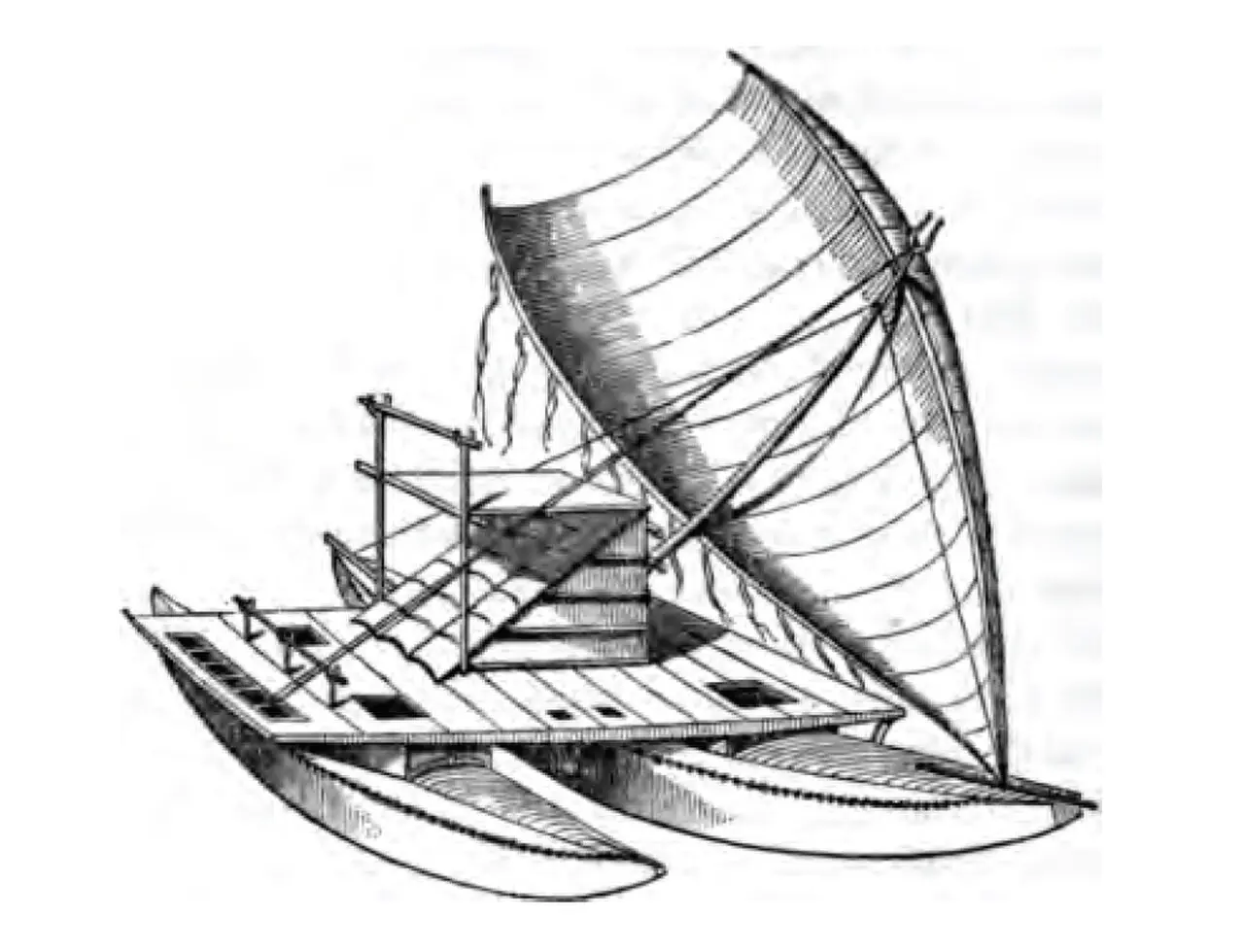
Fijian canoe, drawing (1858)
Before 1900
c. 1000 BCE164317741804Early 1800s12 October 1835185330 April 18541855187110 October 1874By 187514 May 18791916192010 October 1970
Voyagers and canoes · 1 of 45Swipe up

The drua, Fiji’s great double canoe

Before 1900

Full chapter page

Look beyond the sail to the knowledge that holds it together.

Fiji’s canoe traditions include craft for different waters and different work. Large drua and camakau connected islands through sailing and exchange. Smaller craft served everyday journeys. At Korova, residents used canoes for fishing, visits and trips to obtain food and water. Model-boat sailing also helped younger people begin learning skills for larger craft. Knowledge travelled between generations as well as between islands.

Sources

This pictureThe drua Navukinavanua, described as Ratu Seru Cakobau’s last war canoe — 19th-century photograph · Historical image supplied to the museum · pre-1900 work, shown as public domain by age · repository source citation pending

Chapter text is awaiting cultural and historical review.

Dimau Group