Fiji History MuseumTravel to the past.
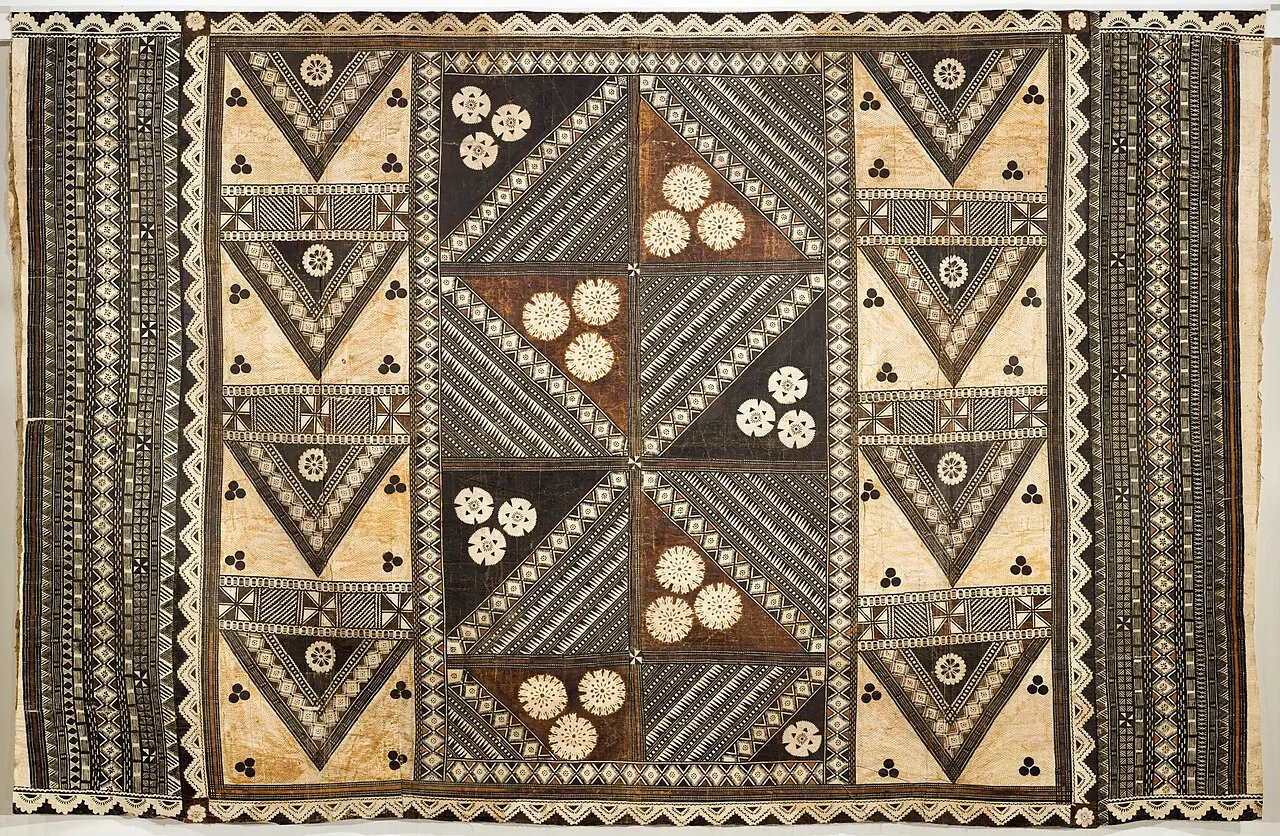
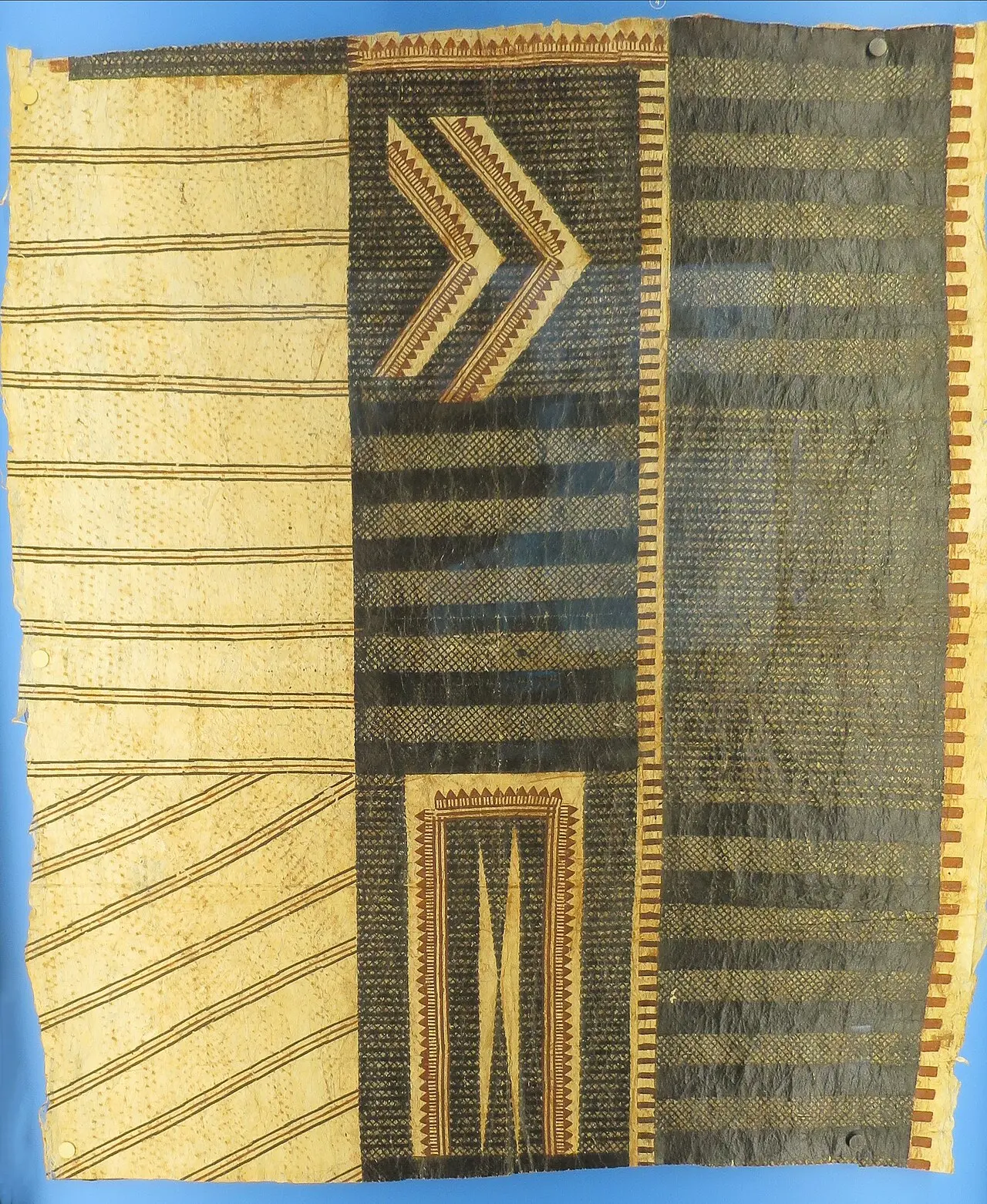
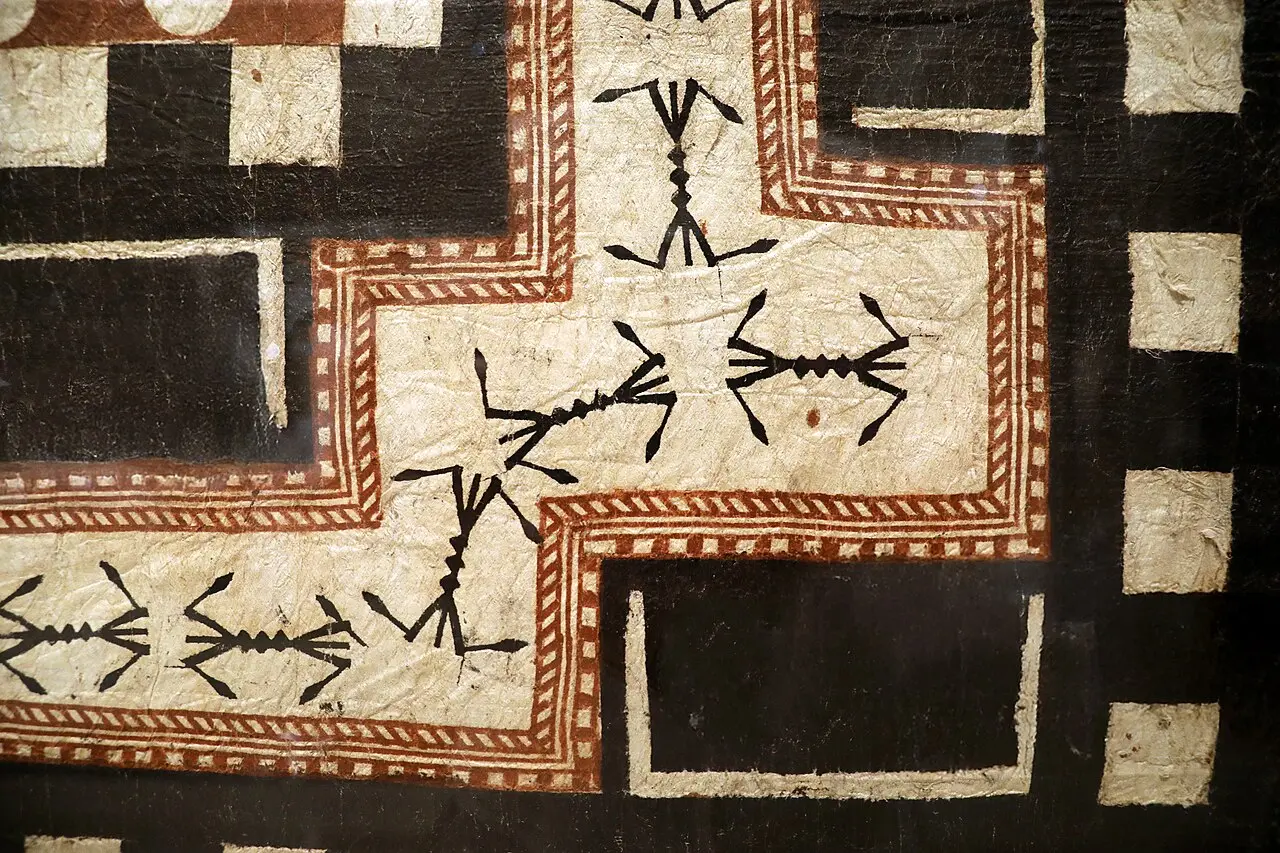
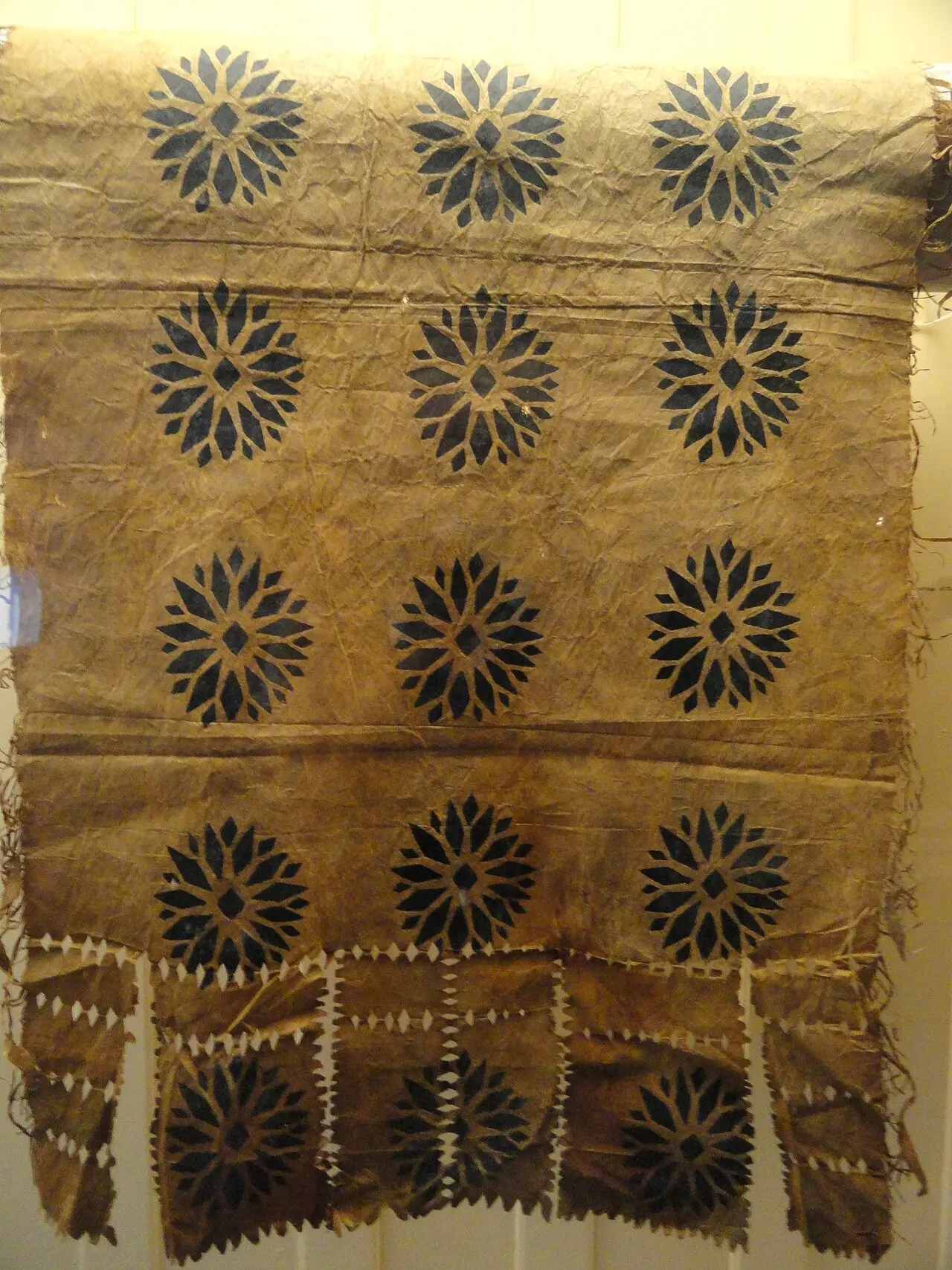
Wedding bark cloth (gatu vakaviti), Fiji, 19th century — Los Angeles County Museum of Art
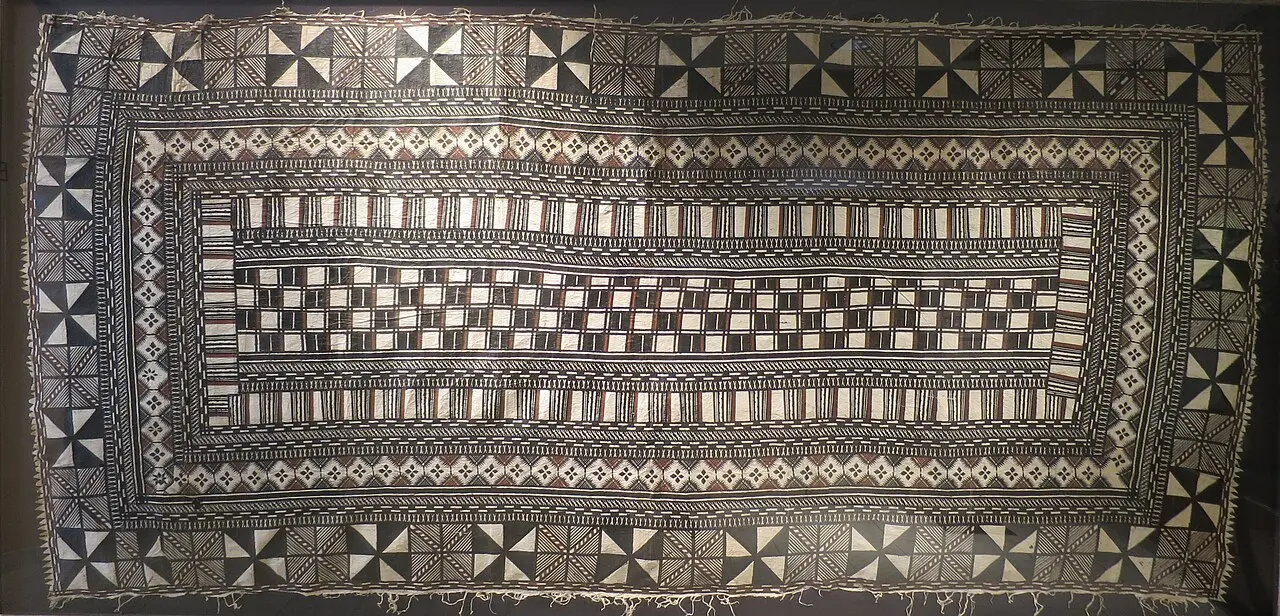
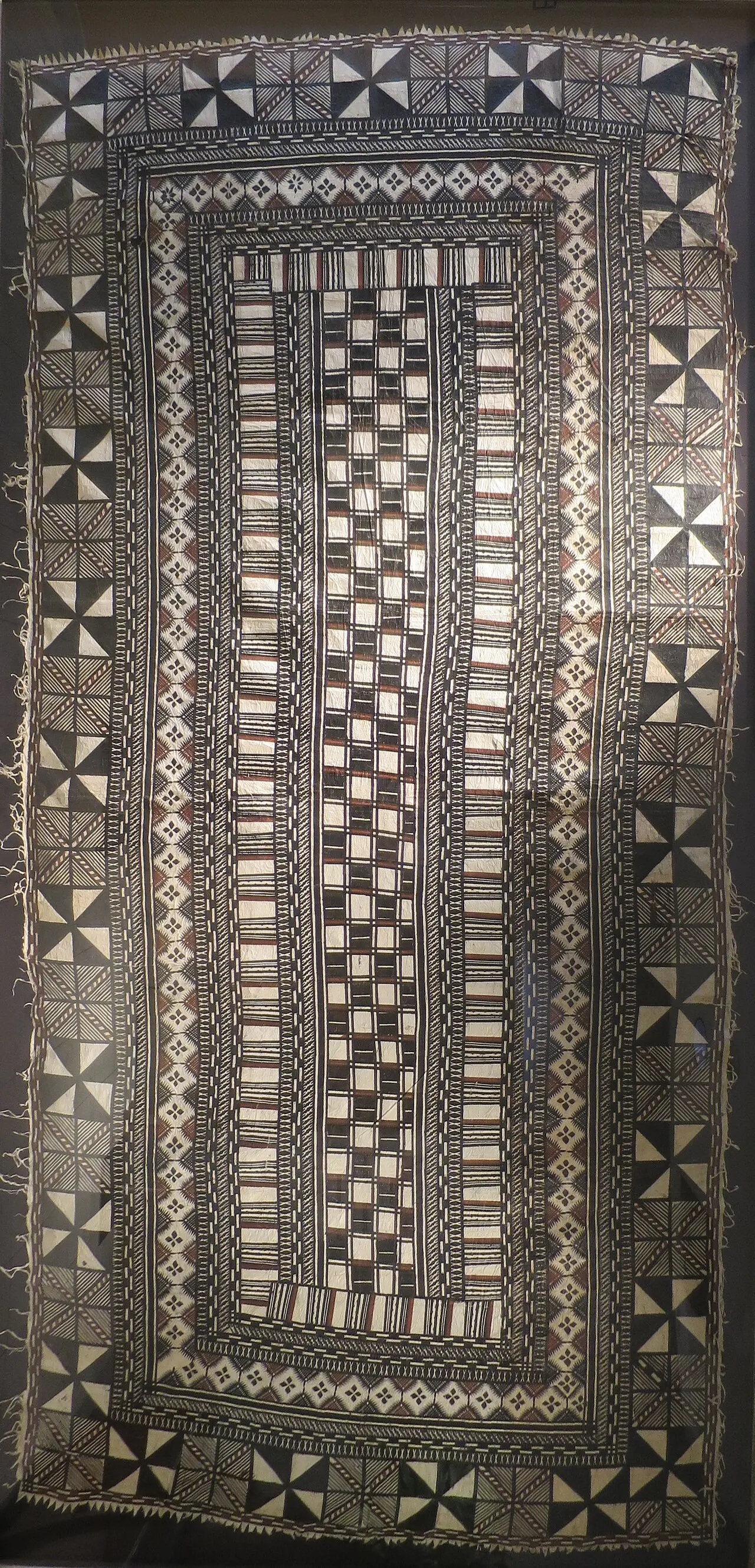
Fijian royal tapa cloth, 19th century, Neiman Marcus Collection, Honolulu store (2014)
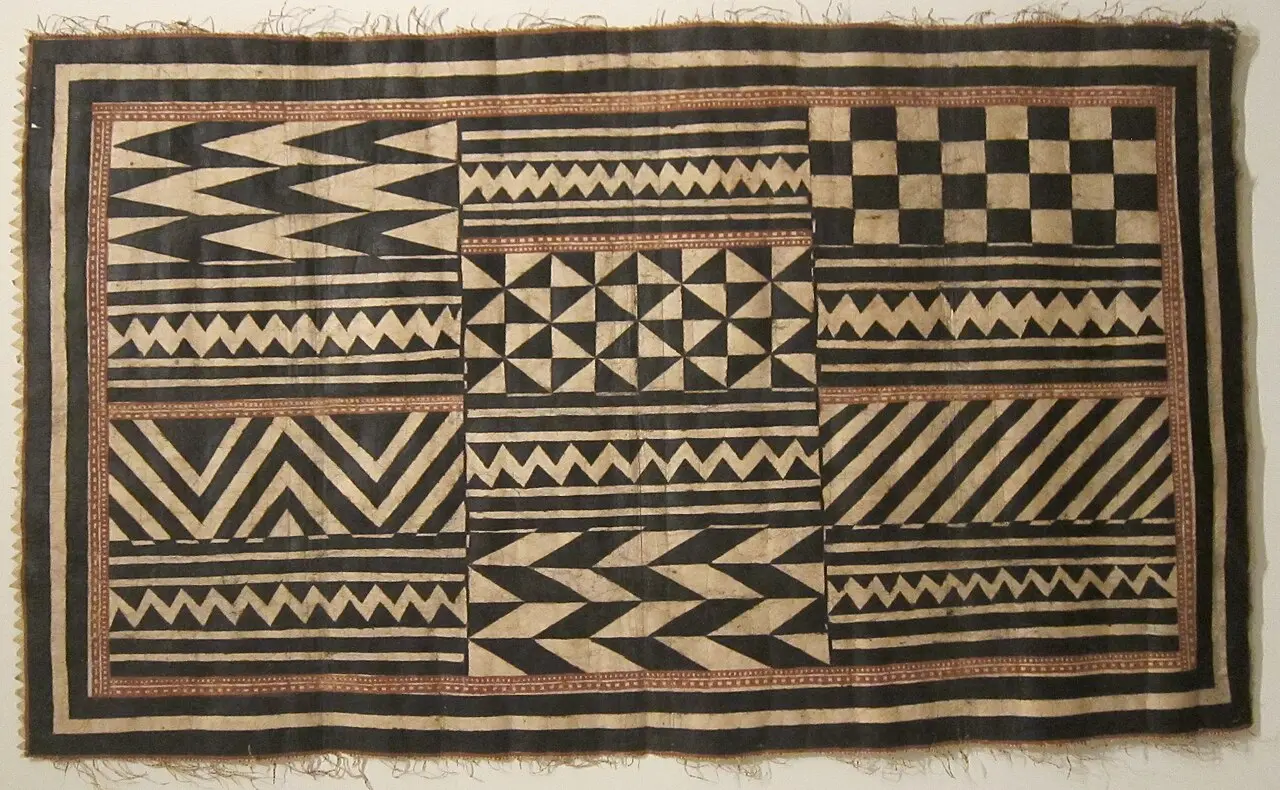
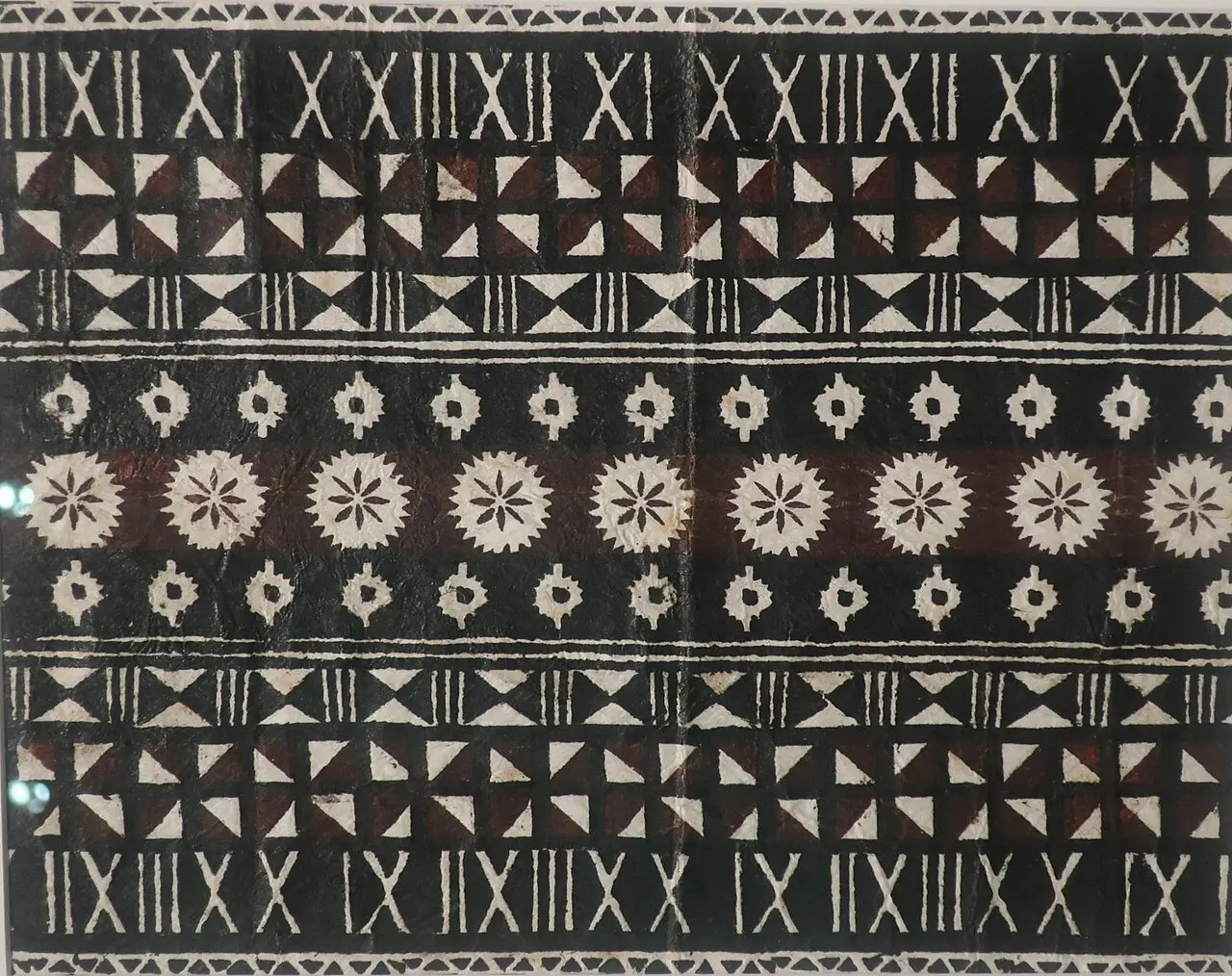
Masi (bark cloth), Fiji, Island of Oneata Lau, 20th century, Honolulu Academy of Arts (2012)
Masi (barkcloth) from Fiji, 20th century, Honolulu Museum of Art (2012)
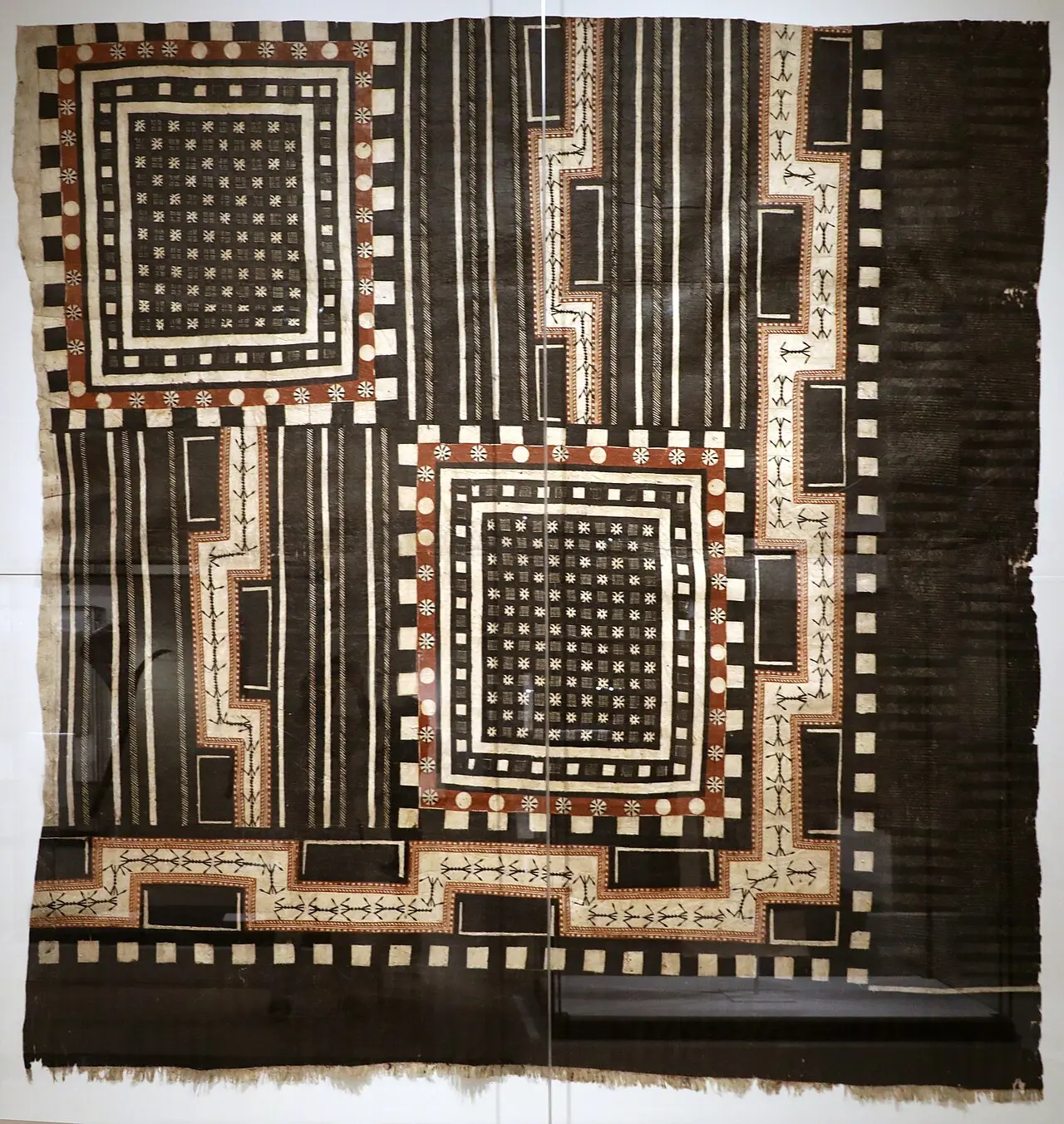
Barkcloth ( masi ), Fiji, Bishop Museum, accession 1456.008.036 (2013)
Fijian royal tapa cloth, 19th century, Neiman Marcus Collection, Honolulu store (2014)
Masi kesa (painted Fijian bark cloth), 20th century, Honolulu Museum of Art Lending Collection, L.2023-18-01
Masi kesa (painted bark cloth), Fiji, about 1850–90 — shown at the National Museum of Qatar
Masi kesa (painted bark cloth), Fiji, about 1850–90 — second view
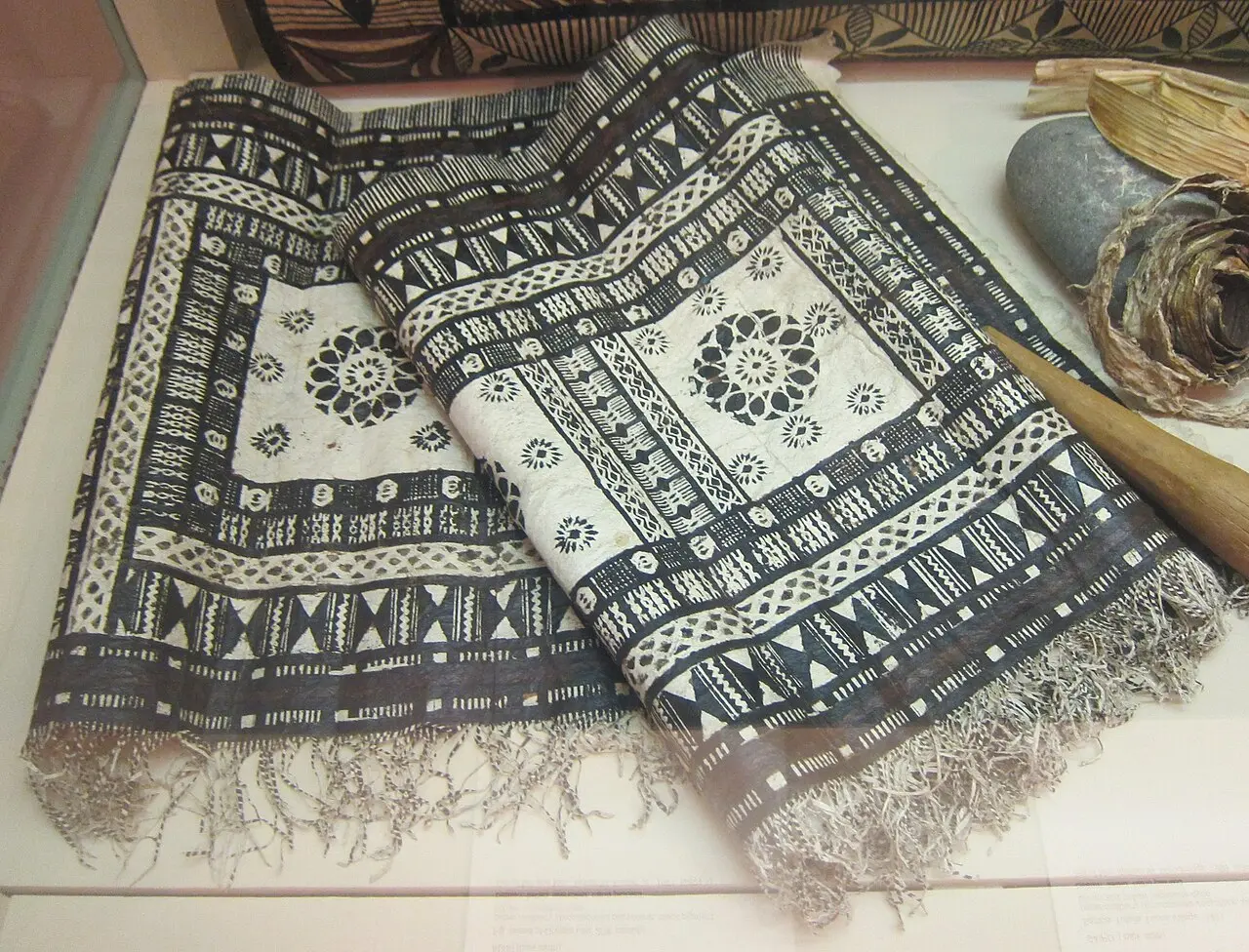
Tapa cloth with black designs and fringe, Fiji, collected 1930 - Pacific collection - Peabody Museum, Harvard University
Made by hand
c. 1000 BCE164317741804Early 1800s12 October 1835185330 April 18541855187110 October 1874By 187514 May 18791916192010 October 1970
Living craft · 10 of 45Swipe up

Masi — bark cloth

Made by hand

Materials, care and imagination turn skill into everyday life.

Weaving brings together growing materials, preparation and patient skill. Makers turn pandanus and kuta into different kinds of mats, while masi is made from barkcloth. These crafts have served household life and provided income. By the late twentieth century, some makers were adapting basket designs for new markets and teaching younger people. Tradition continued through both careful practice and creative change.

Sources

This pictureWedding bark cloth (gatu vakaviti), Fiji, 19th century — Los Angeles County Museum of Art · Public domain · record ↗

Chapter text is awaiting cultural and historical review.

Dimau Group