
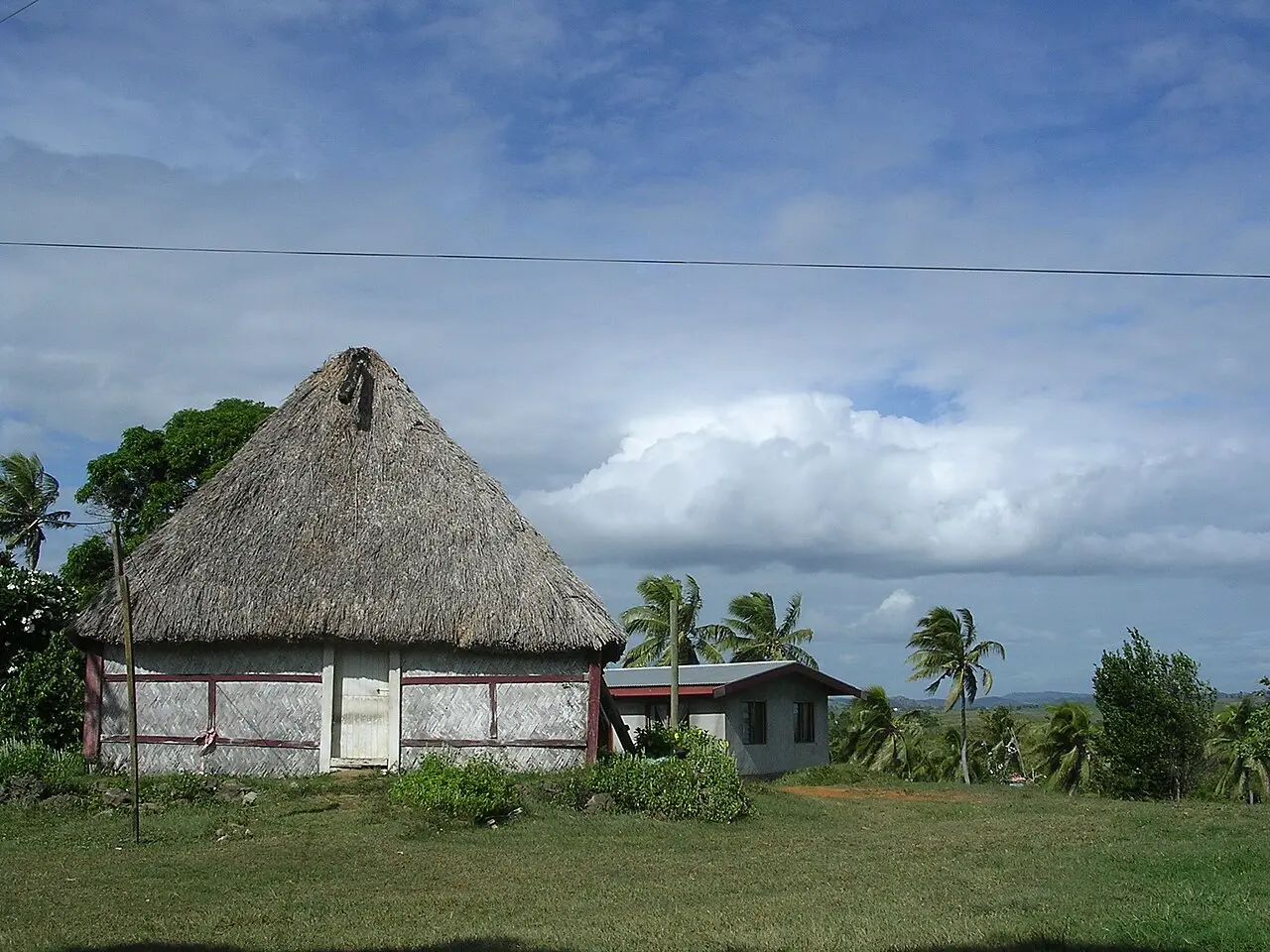
 Yavusa · mataqali · tokatoka
Clans and chiefs
Yavusa · mataqali · tokatoka
Authority grew through relationships; it was never identical everywhere.
Fiji was not a single pre-colonial kingdom. Leaders ranged from local chiefs to powerful rulers with extensive alliances and tributaries. Kinship, ceremonial standing and the ability to mobilise resources helped sustain their authority.
Terms such as yavusa, mataqali and tokatoka describe important forms of belonging, but their organisation varied. Later colonial administration gave selected arrangements more fixed official forms. Reading the past only through those later categories can hide local differences.
- Wikipedia: Mataqali ↗
- Wikipedia: Great Council of Chiefs ↗
- Cambridge MAA · Viti ↗
- Cambridge MAA · Chiefs and Governors ↗
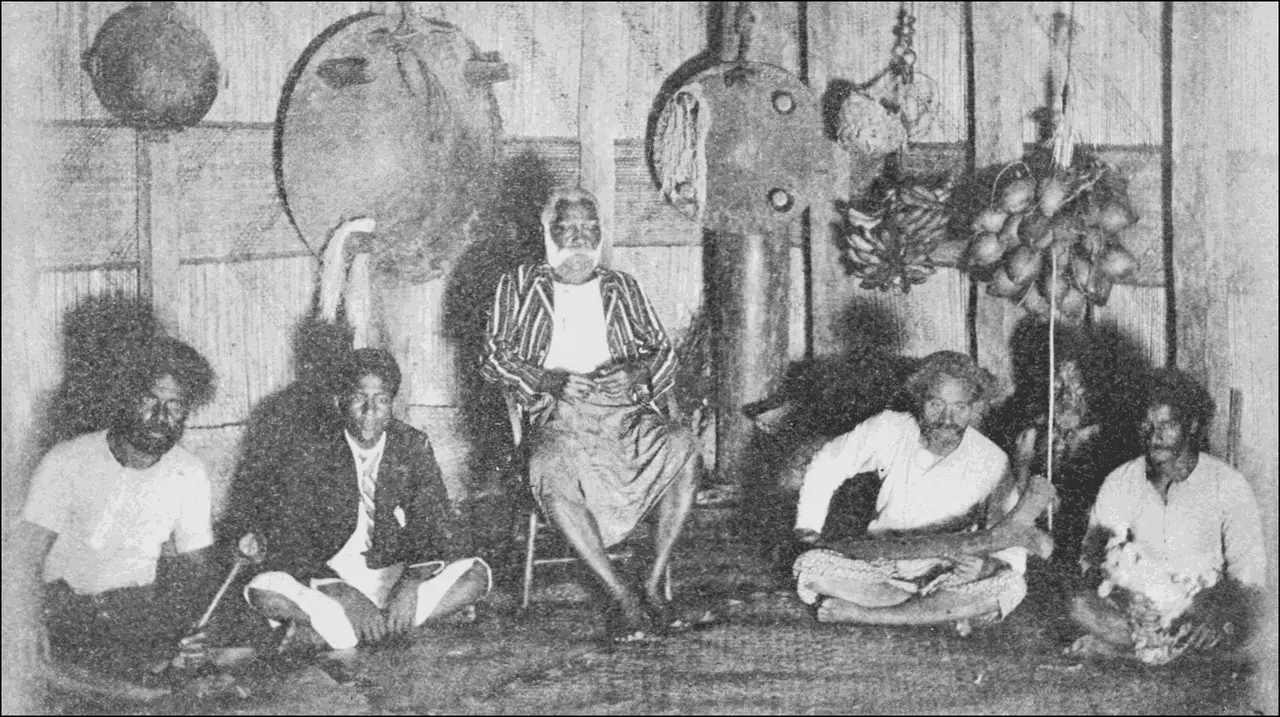
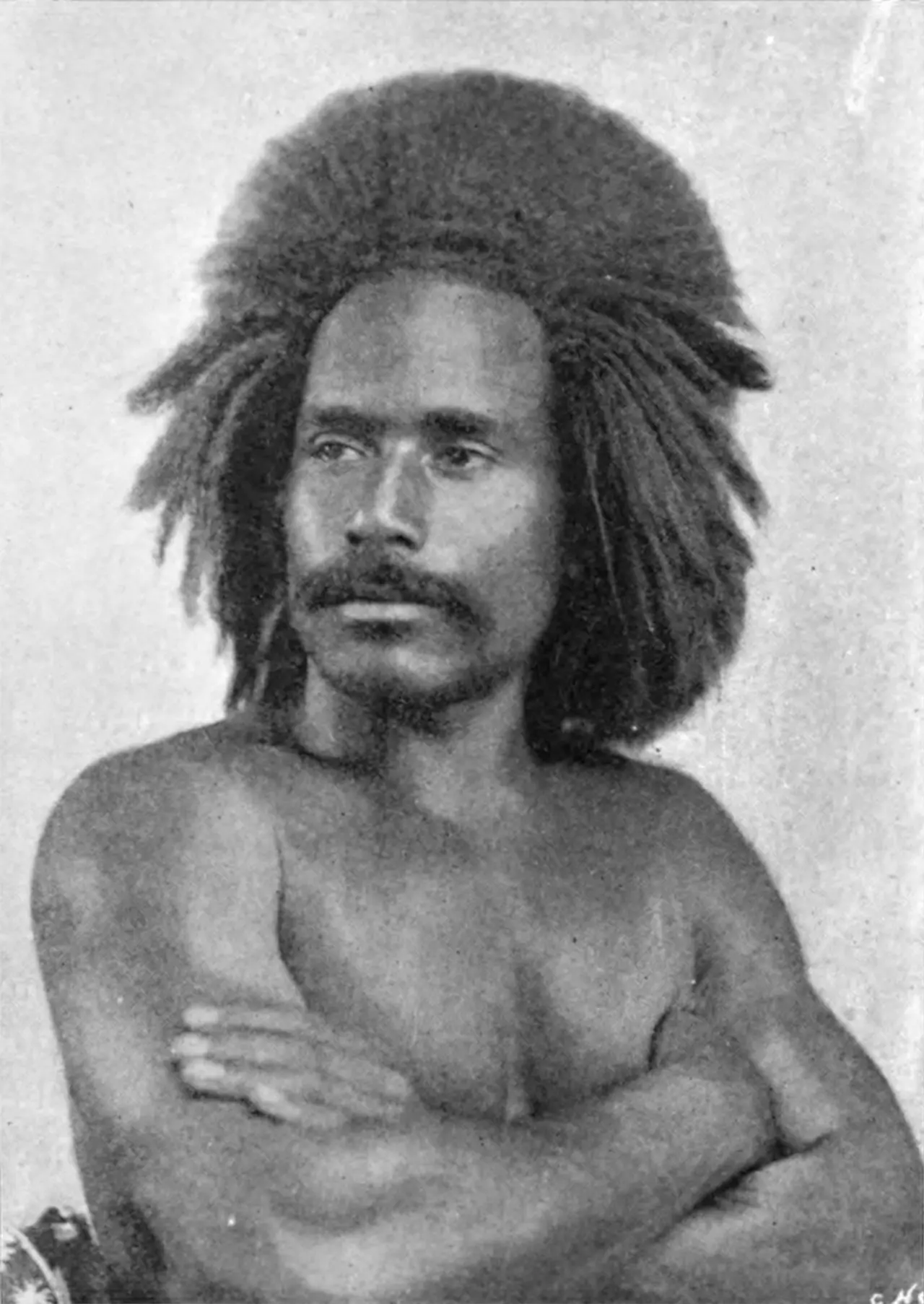
This pictureRatu Epeli, head chief of Fiji, in 1899 (Popular Science Monthly) · Unknown author · Public domain · record ↗
Chapter text is awaiting cultural and historical review.
 Dimau Group