 About 1815 to 1883
c. 1000 BCE164317741804Early 1800s12 October 1835185330 April 18541855187110 October 1874By 187514 May 18791916192010 October 1970
Bau and Cakobau
About 1815 to 1883
Bau’s influence was extensive, but a claim to kingship was not universal rule.
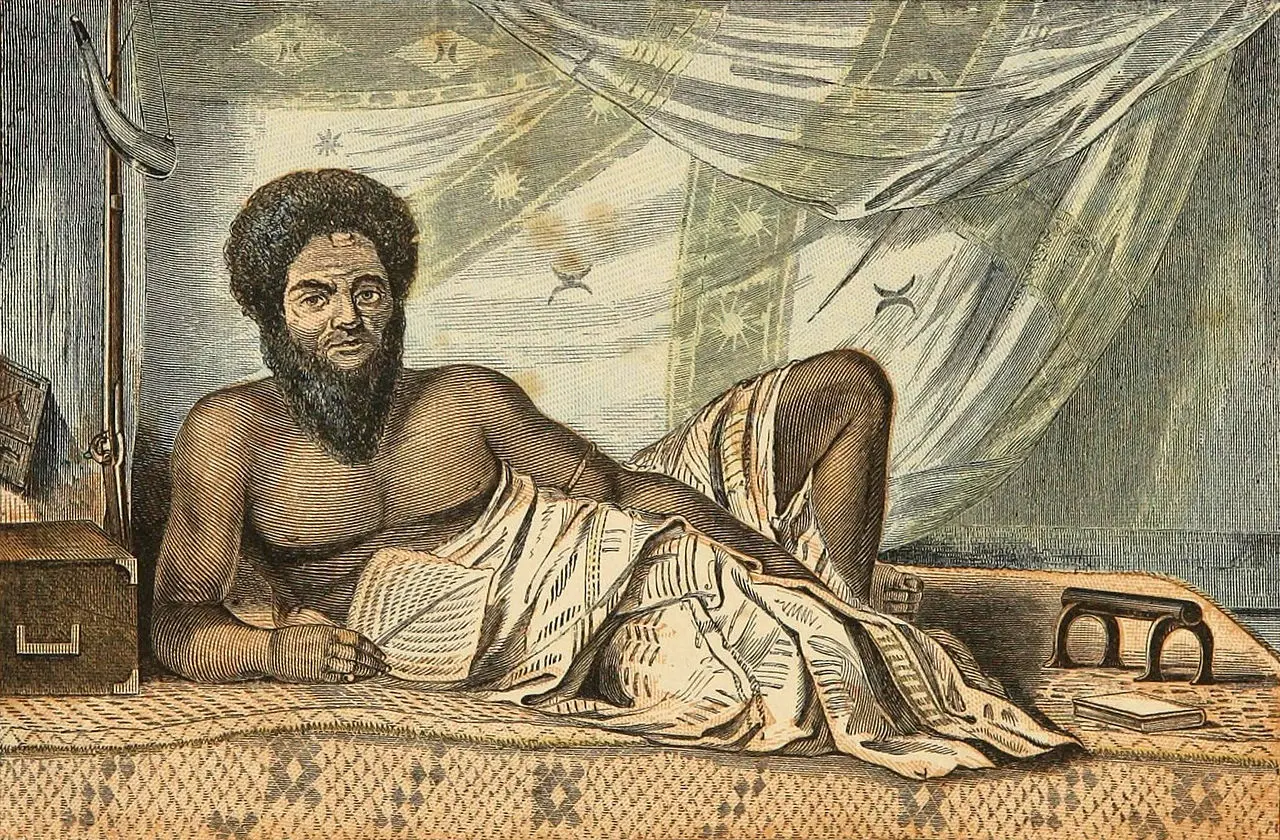
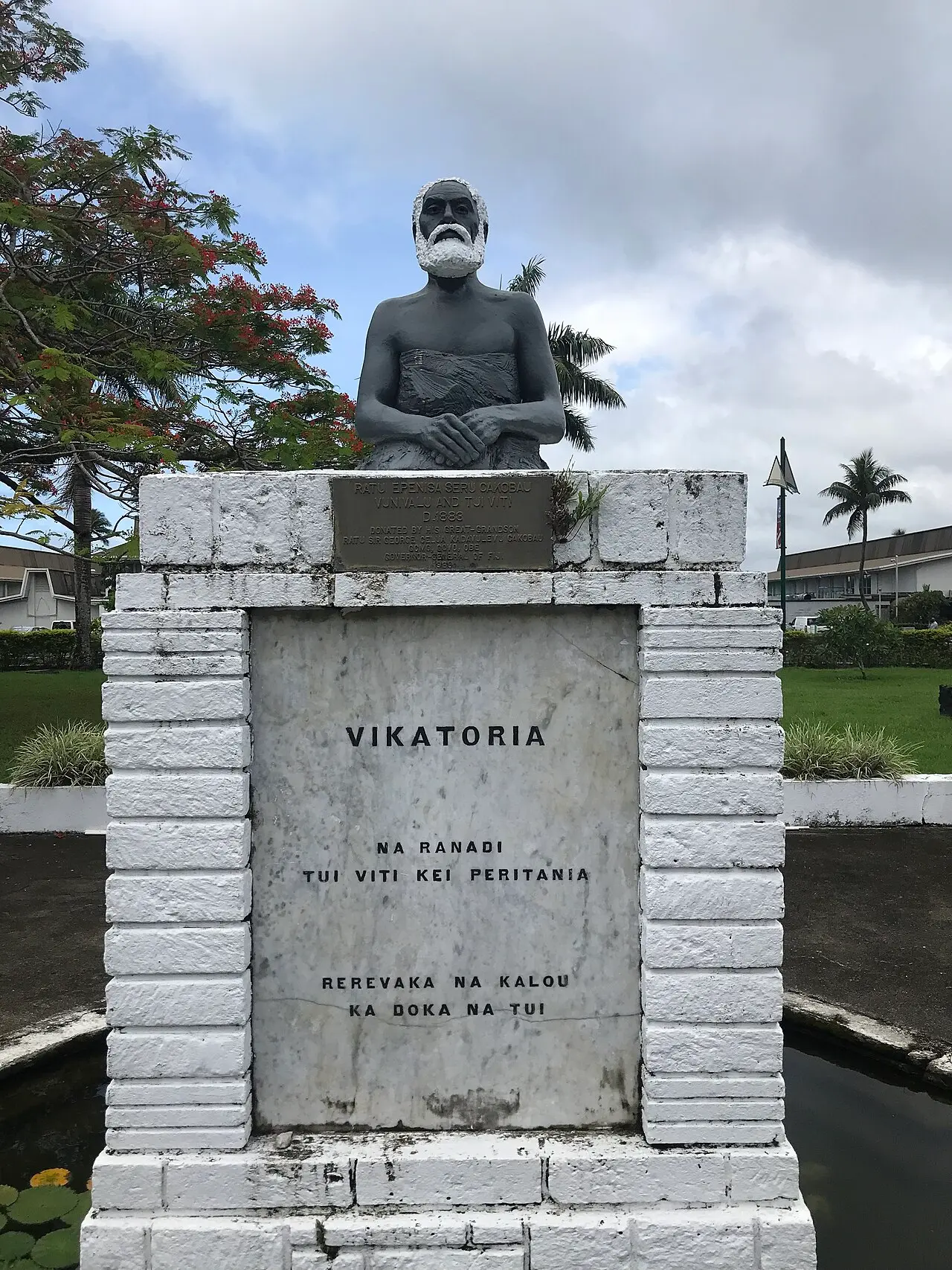
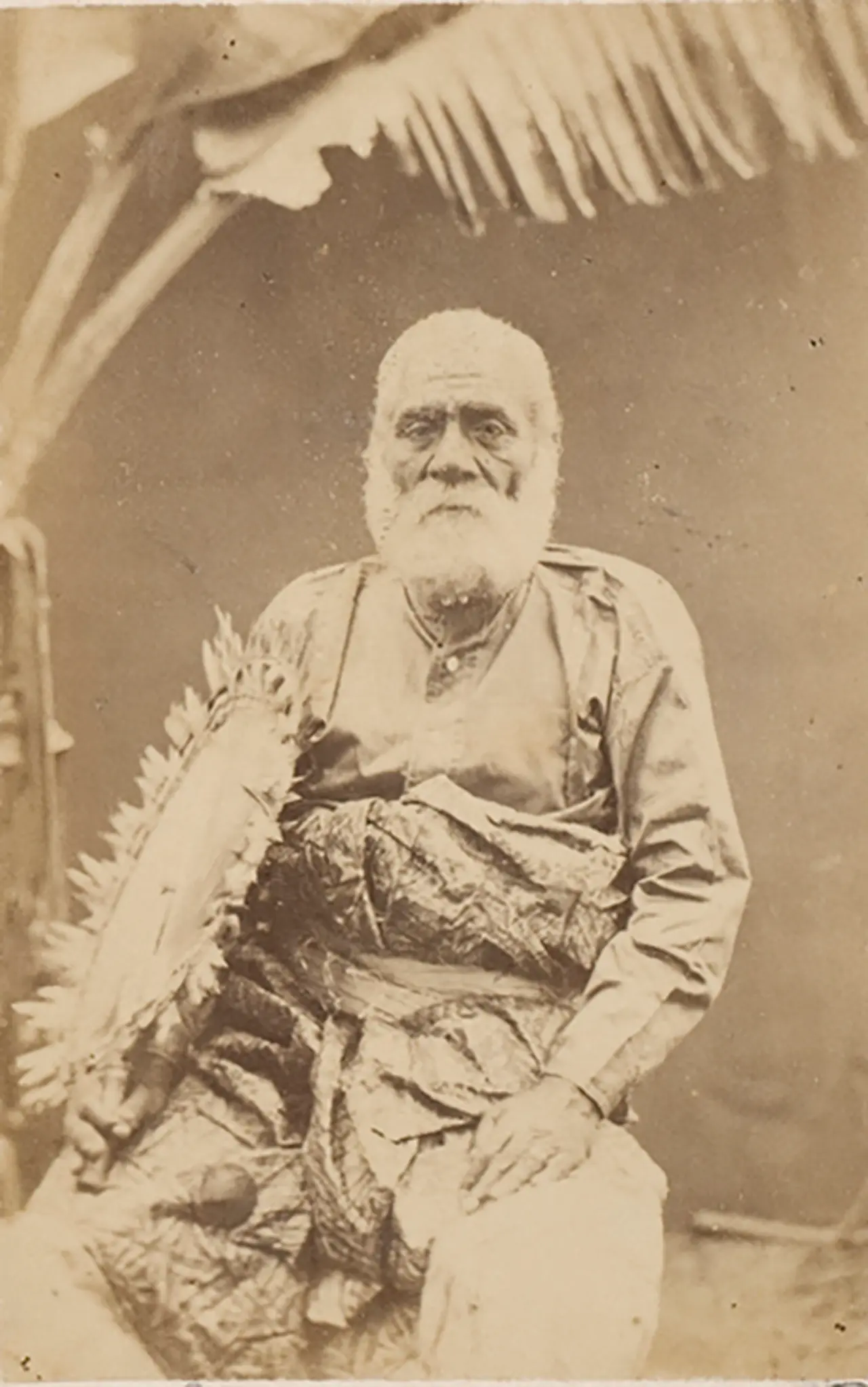
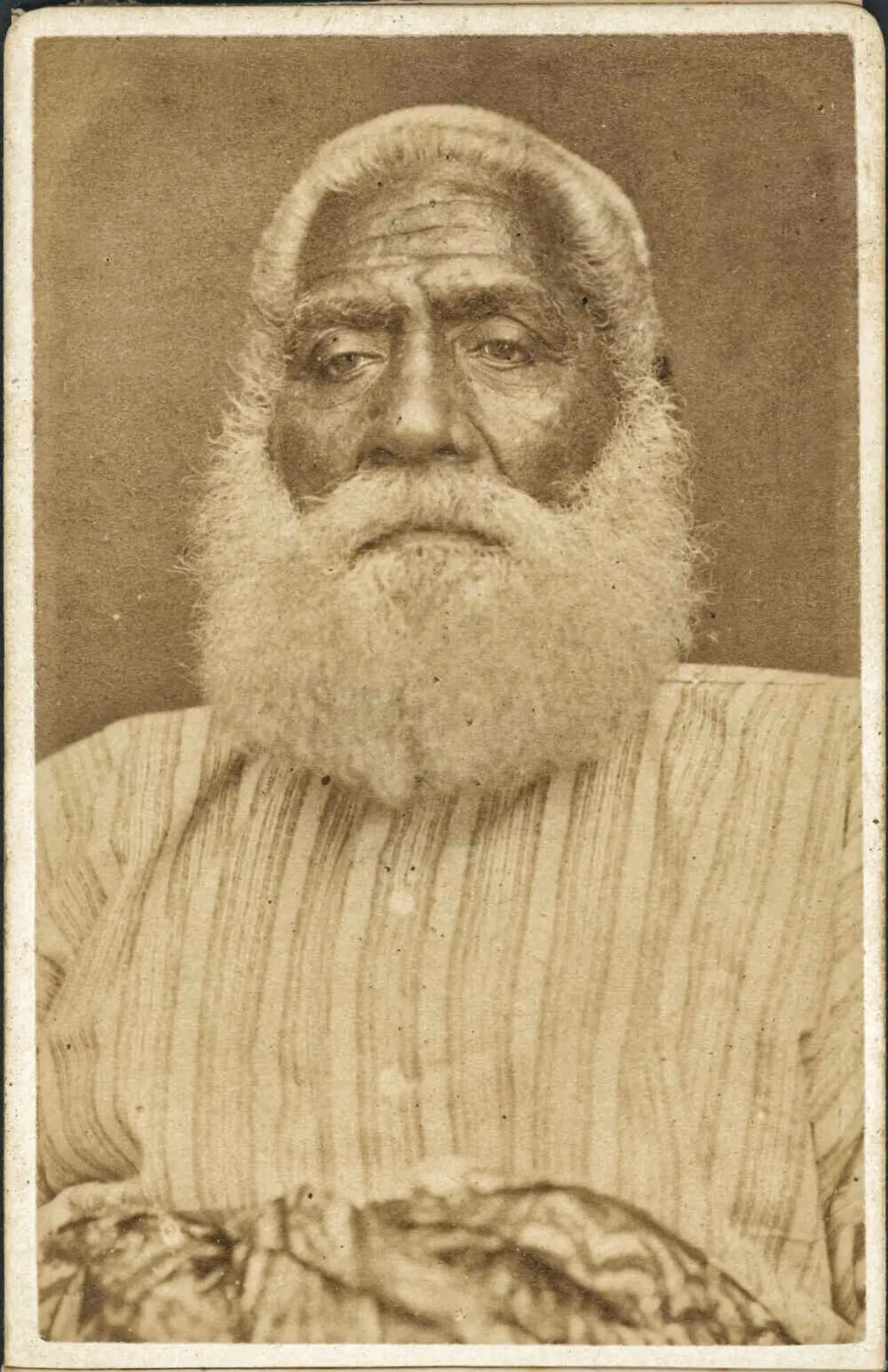
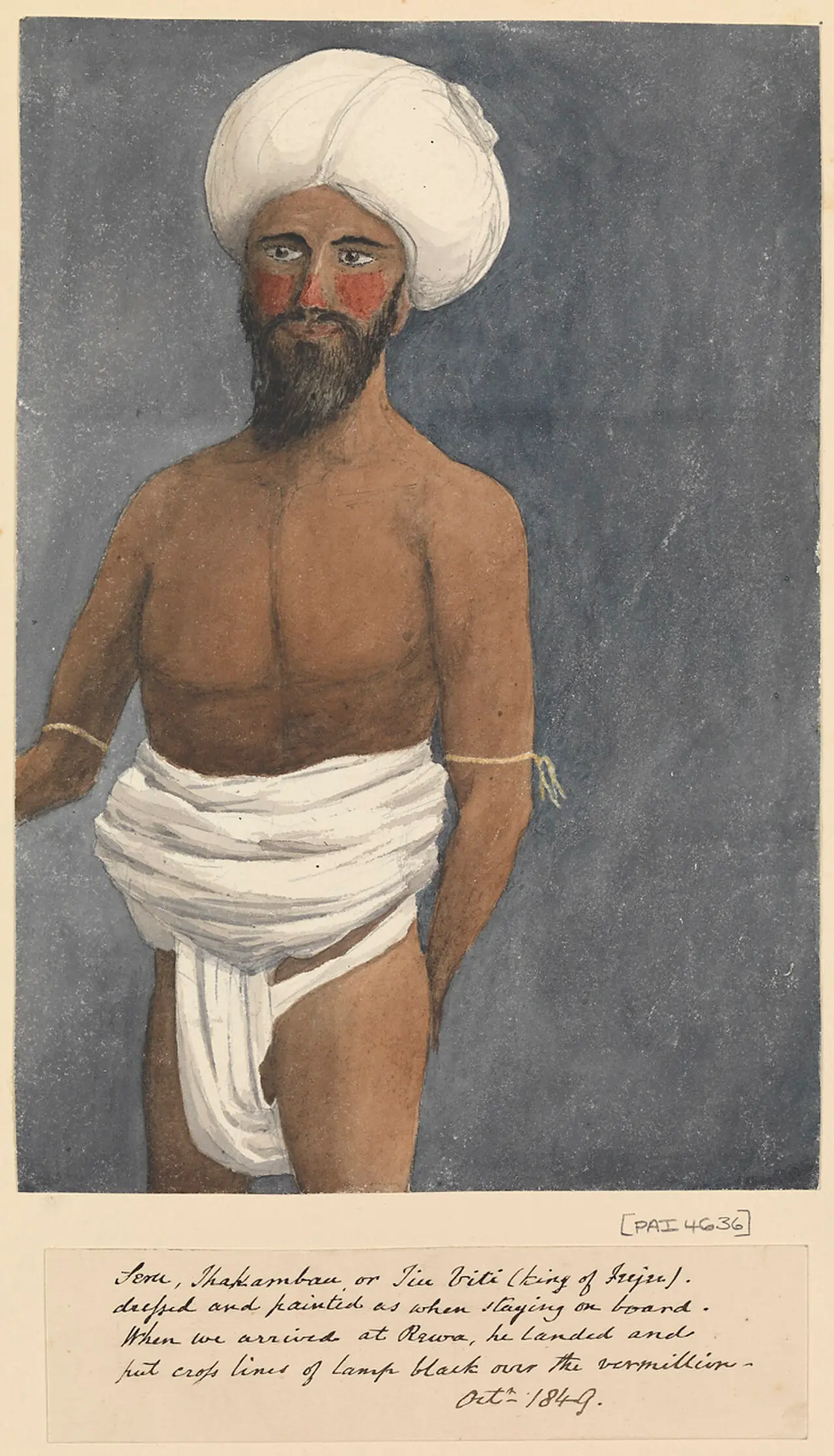
Cakobau held the title Vunivalu of Bau. His rise unfolded amid rivalries with other chiefs, including the long conflict with Rewa. Military strength and allies were both essential.
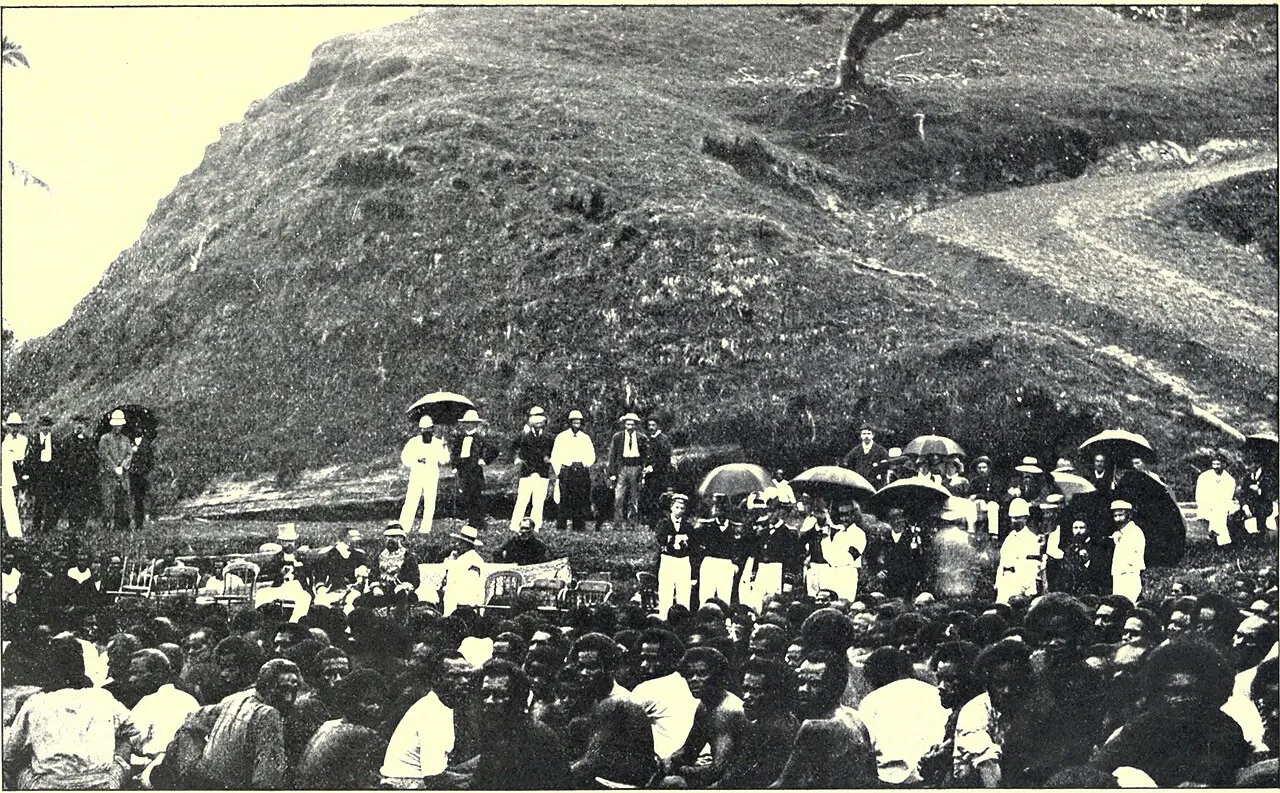
In 1871 he became the central figure in a new Kingdom of Fiji supported by settlers and some chiefs. Yet many communities did not recognise its authority. That gap between a claim to rule and actual control helps explain the difficulties that preceded cession.
Sources
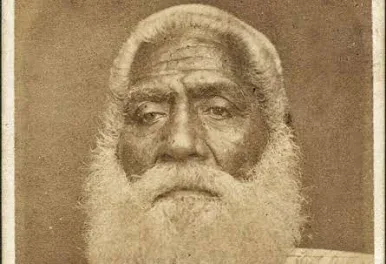
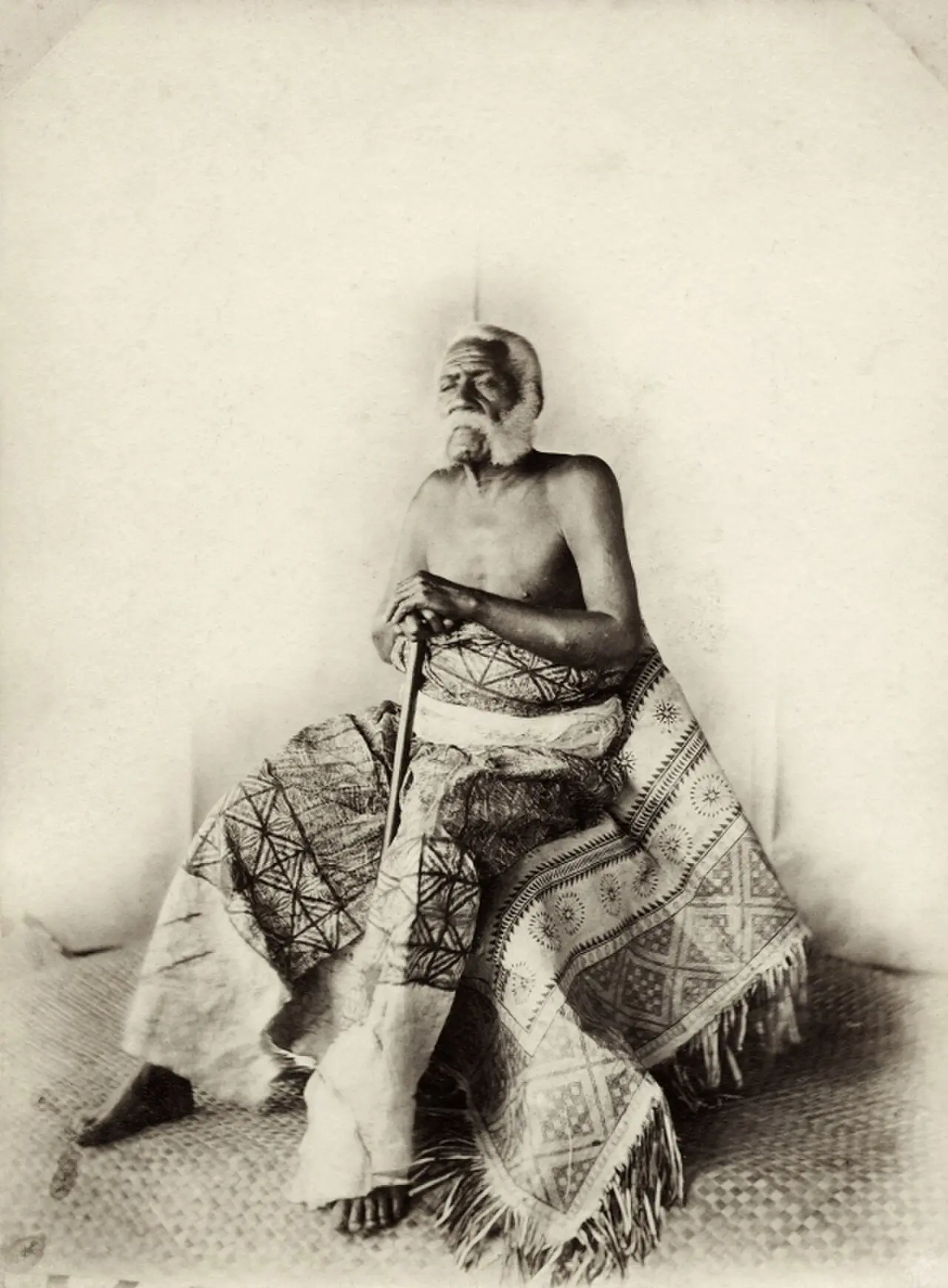
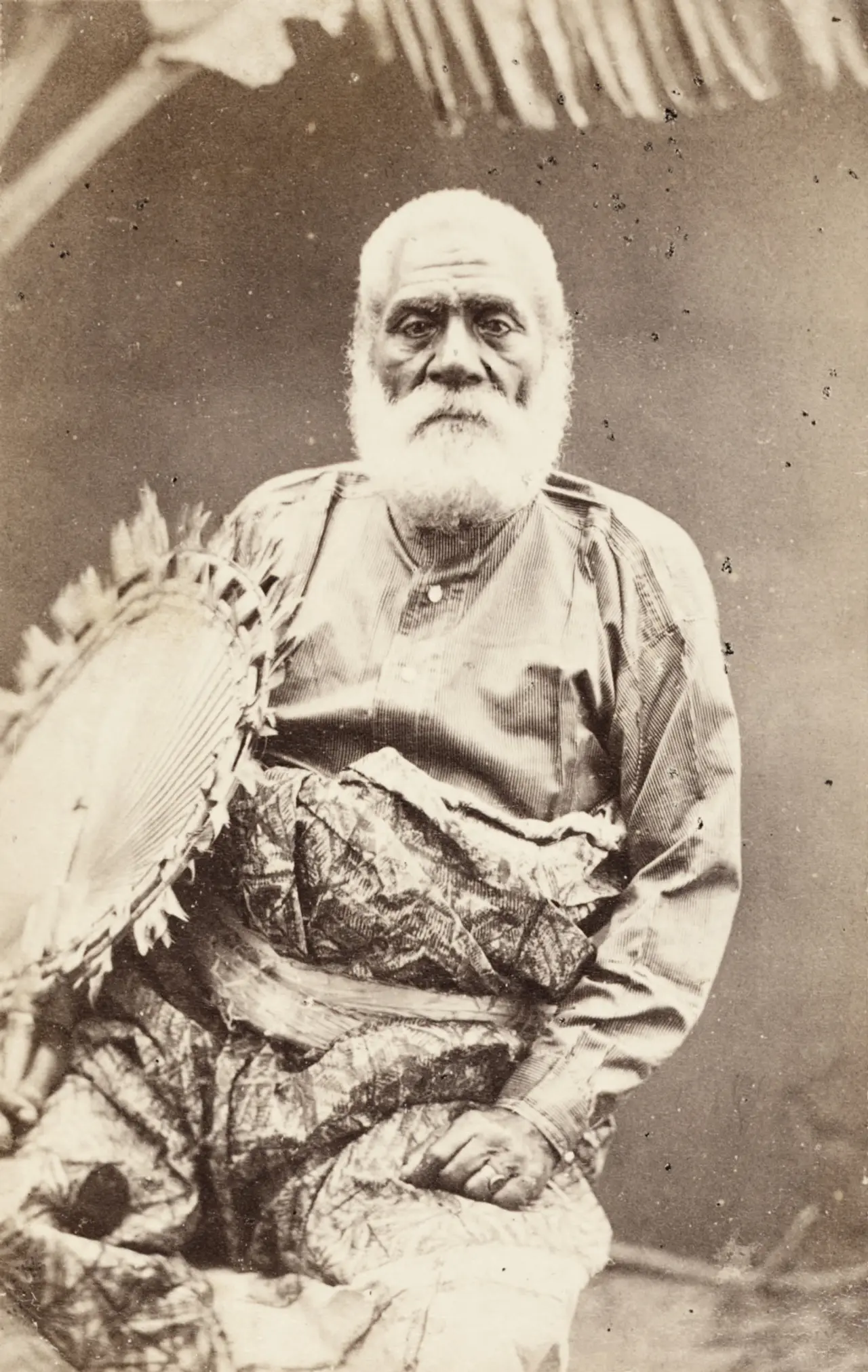
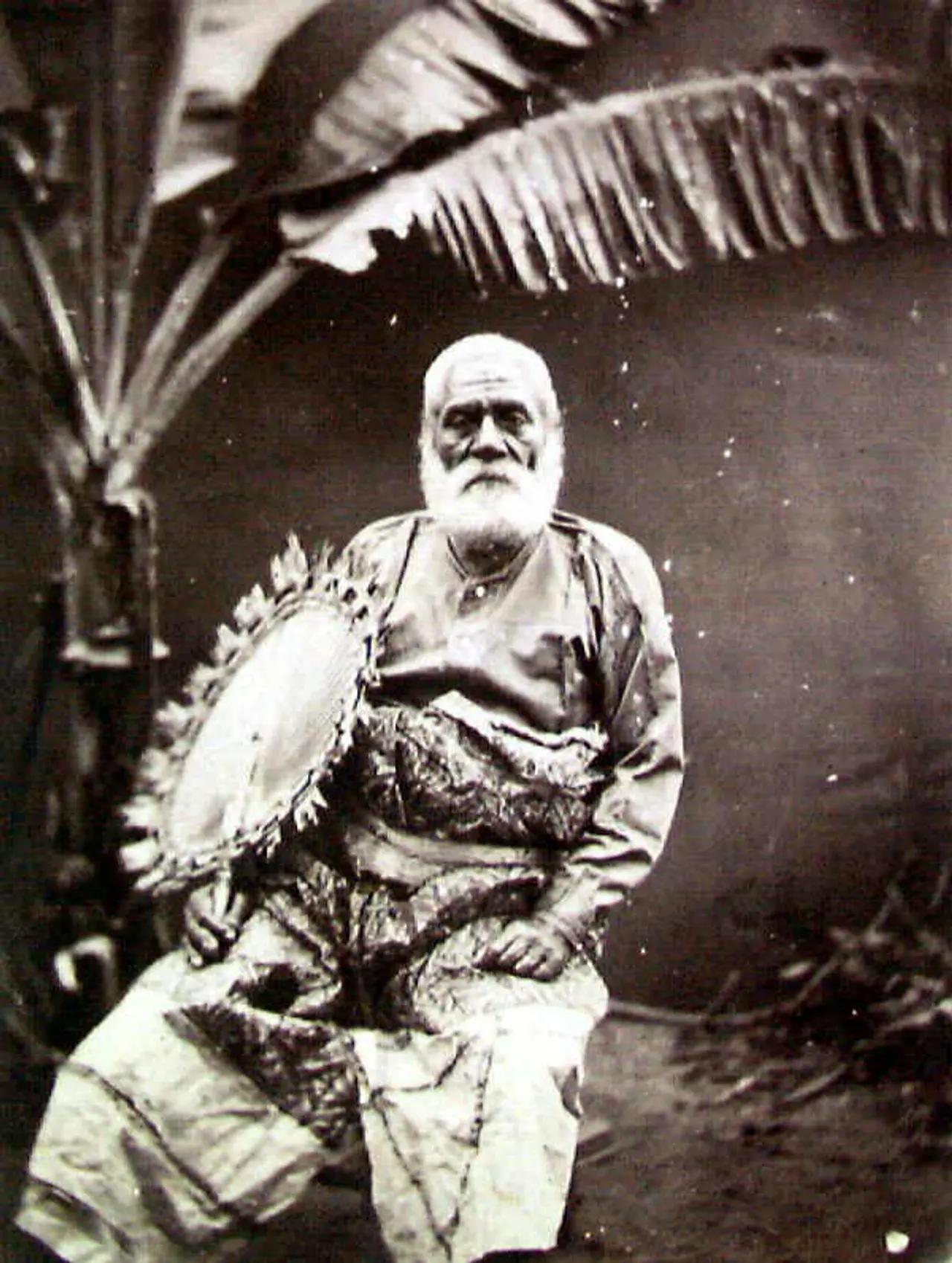
This pictureSeru Epenisa Cakobau in old age — historical photograph · Historical image supplied to the museum · source and rights to be confirmed
Chapter text is awaiting cultural and historical review.
 Dimau Group