
1820S TO 1882
Levuka, the first capital
What we know
- Levuka, on the island of Ovalau, grew from the 1820s into Fiji’s main European trading settlement.
- It was the capital of Cakobau’s Kingdom of Fiji from 1871 and of the British colony until Suva replaced it in 1882.
- Levuka Historical Port Town was listed as a UNESCO World Heritage Site in 2013.
On the map
Loading the map…
Levuka, on the island of Ovalau, grew from the 1820s into Fiji’s main European trading settlement.
- Levuka. Levuka, on the island of Ovalau, grew from the 1820s into Fiji’s main European trading settlement.
- Suva. In 1882 the capital moved from Levuka to Suva, which had more room to grow and a deep harbour.
A simple map of the places this chapter names. Lines join those places; they are not sailing tracks. Coastlines: Natural Earth.
The story
From the 1820s, Levuka developed on Ovalau around existing Indigenous settlements. Stores, warehouses, missions and public institutions grew along its narrow waterfront. The surrounding communities continued to shape the town.
Levuka later served Cakobau’s government and then the British colony. Its buildings connect several histories at once: local land and settlement, visiting merchants, migrant workers and an expanding colonial administration. The capital moved to Suva in 1882, but Levuka remained commercially important.
Get a Fiji history photograph every Sunday — free. Sign up
Pictures in this chapter
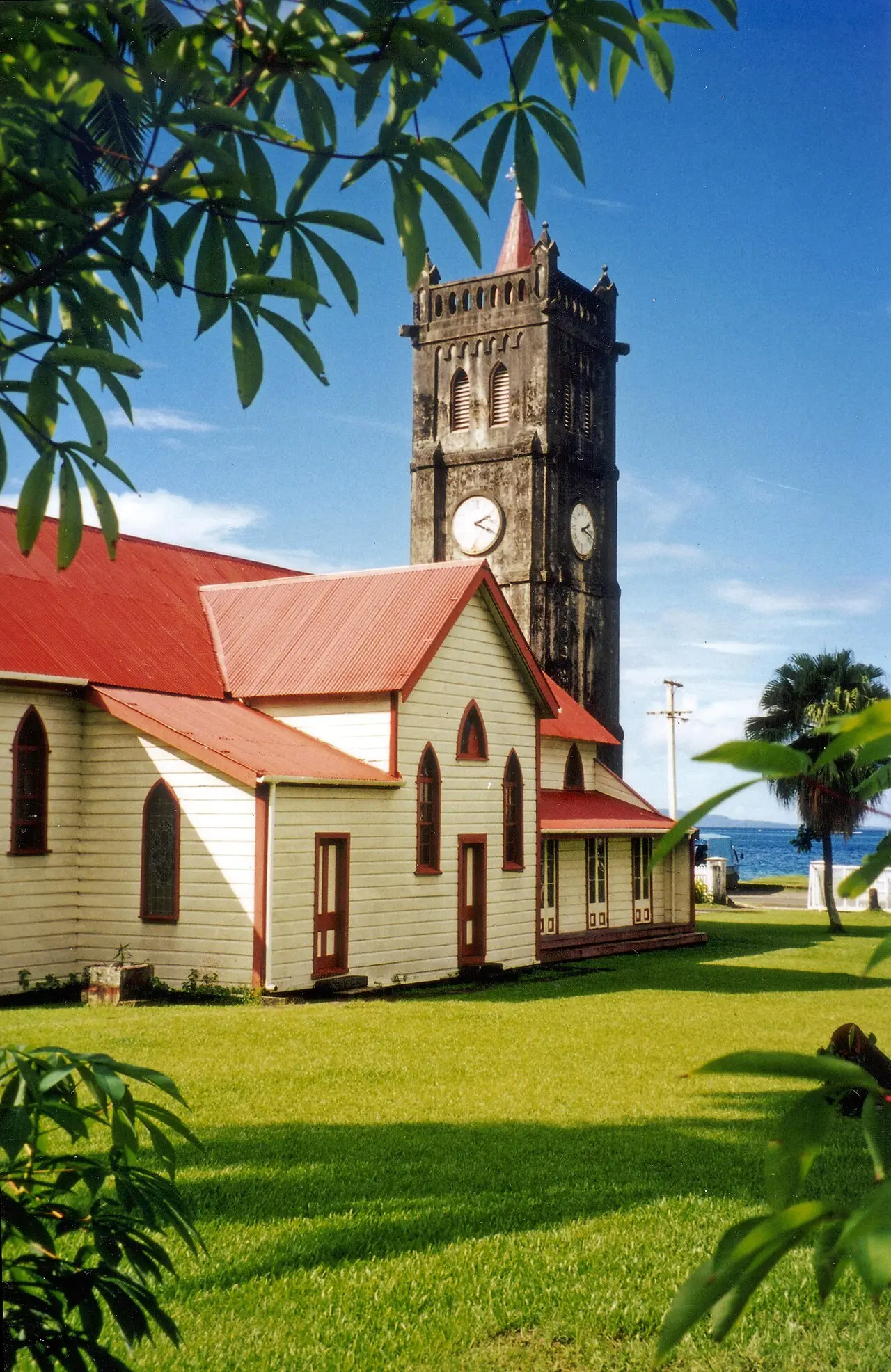 Sacred Heart Church, Levuka , Fiji (2000)
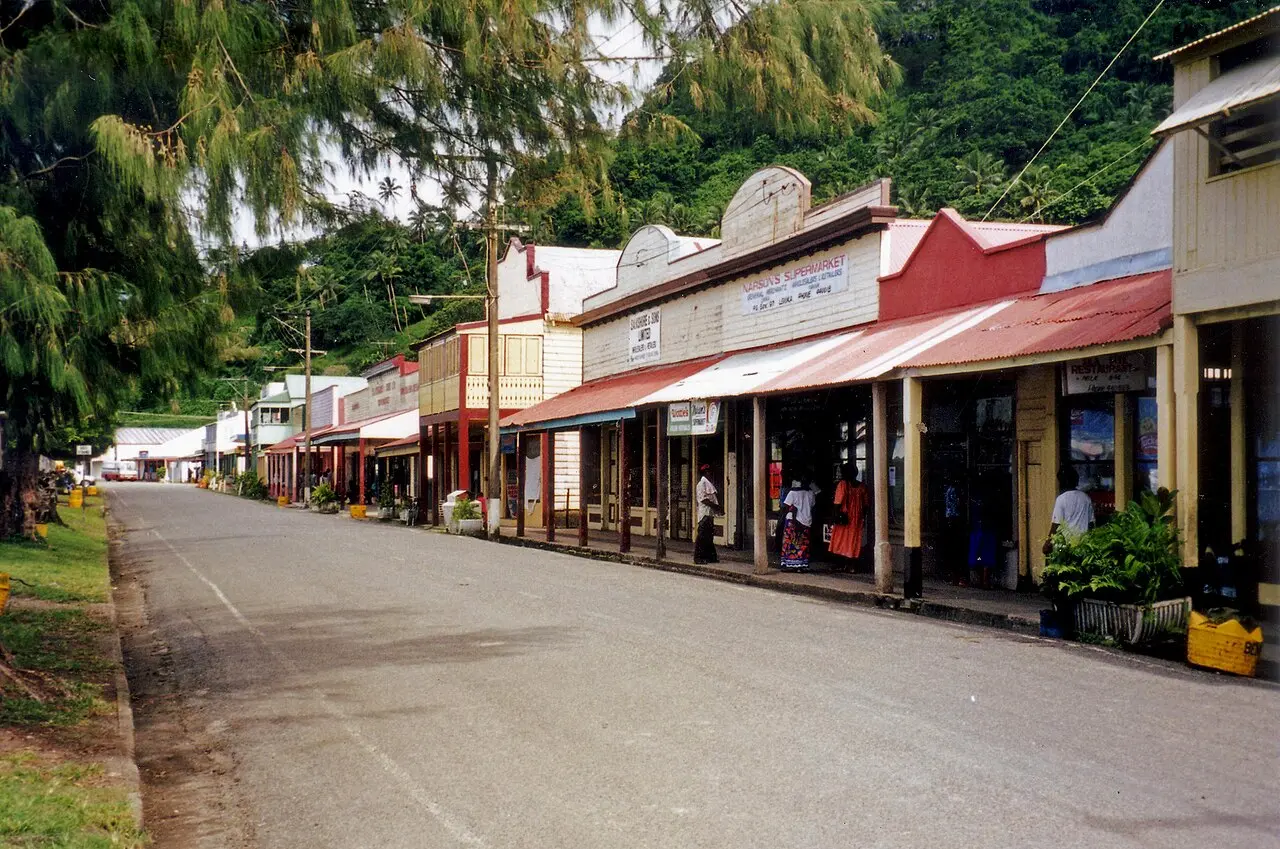 Beach Street, Levuka (2000)
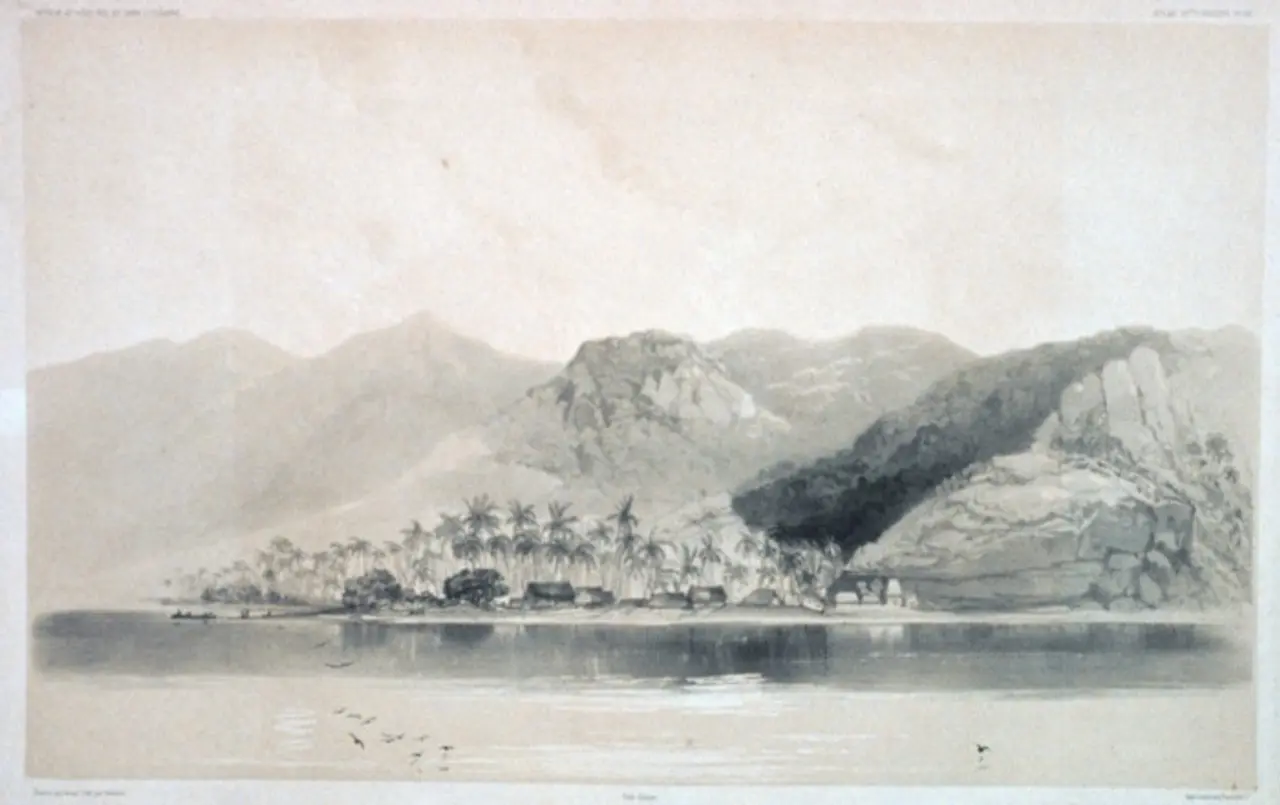 Levuka ("Lebouka") — Dumont d'Urville's voyage atlas (1840s)
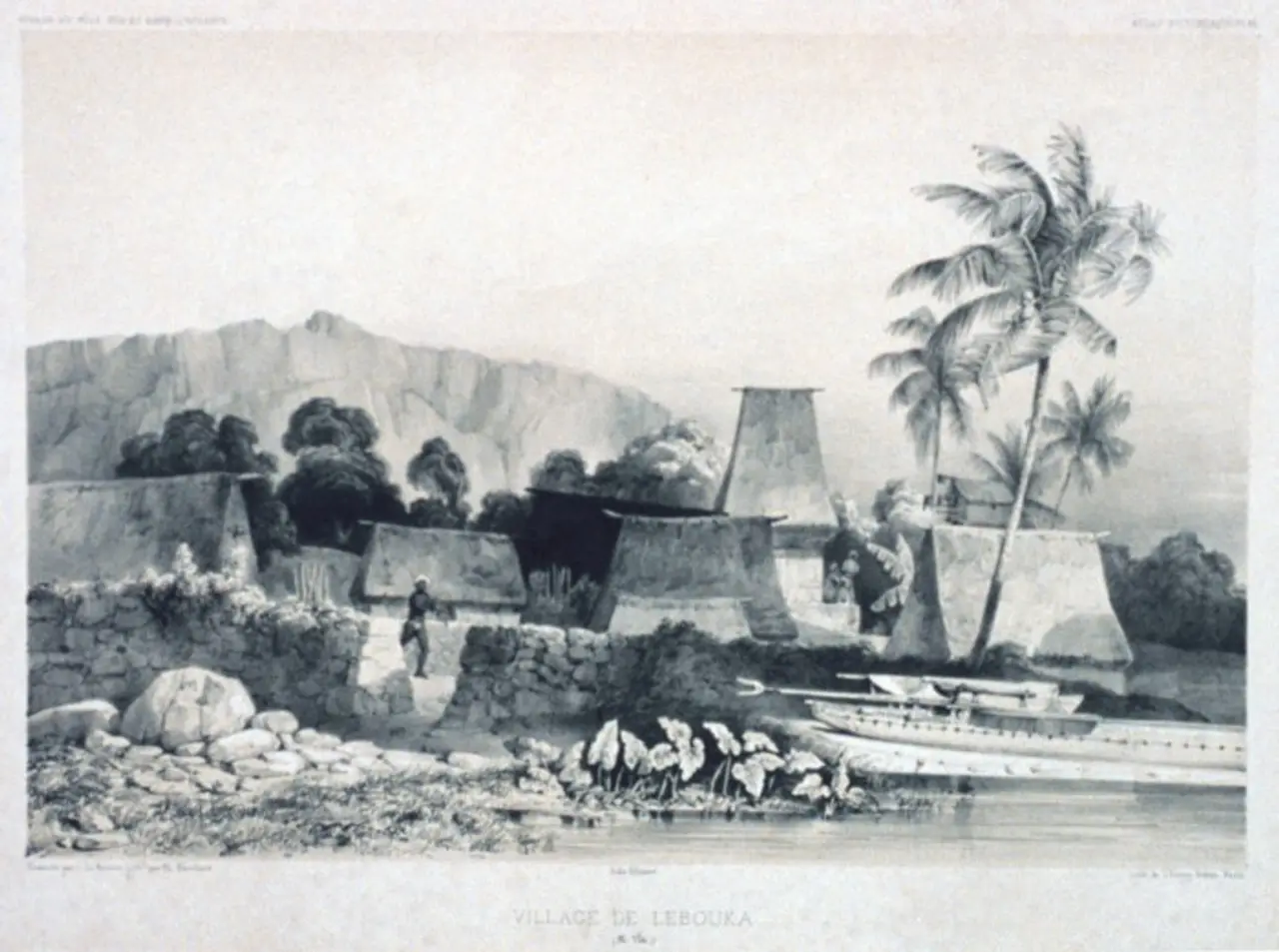 Levuka ("Lebouka") — Dumont d'Urville's voyage atlas (1840s), second view
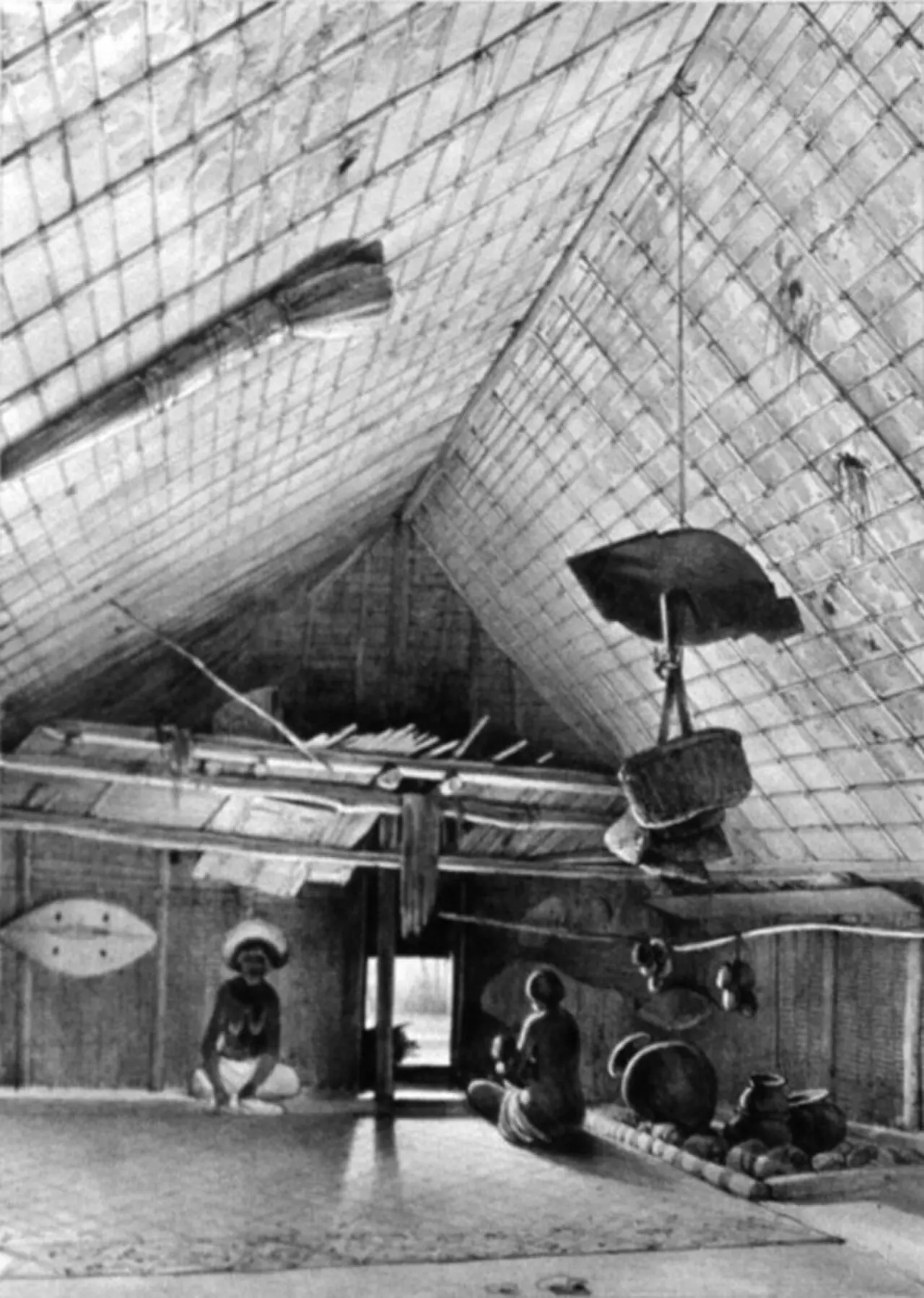 Interieur d'une case a Lebouka. (1842)
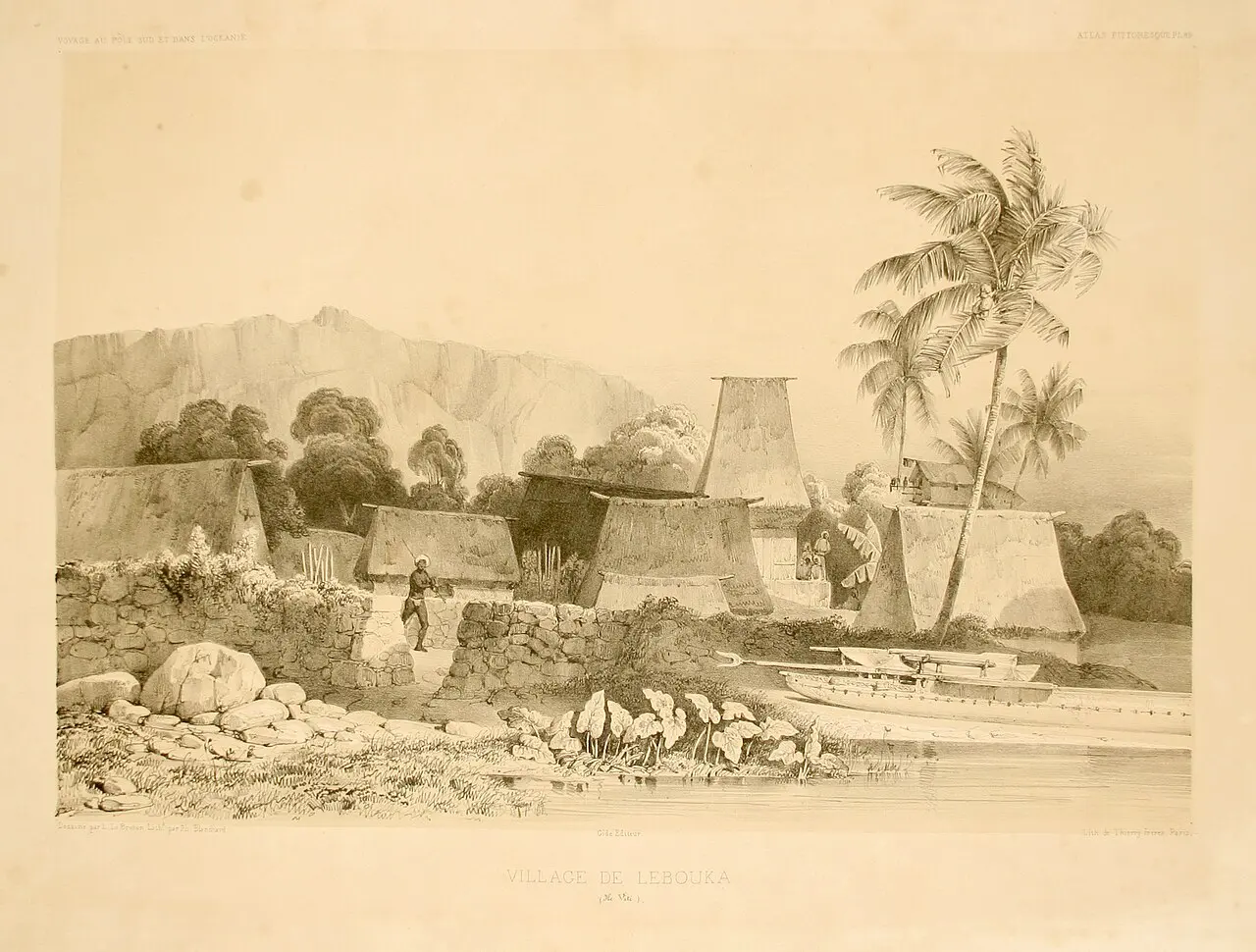 Village de Lebouka. Atlas pittoresque, planche 89 (actuellement Levuka) (1846)
 A street in Levuka (2000)
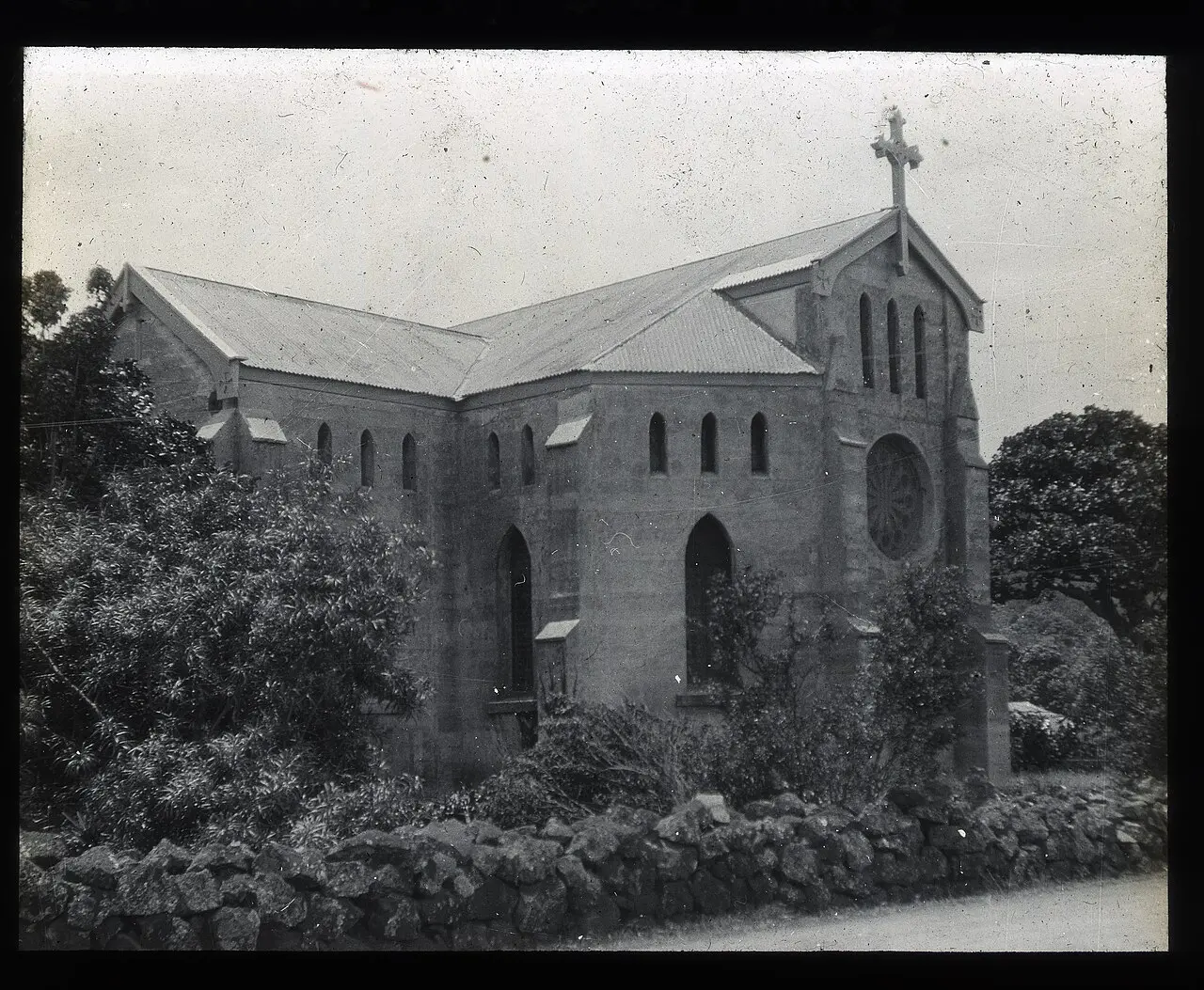 Church of our Holy Redeemer, Levuka, Fiji (2013)
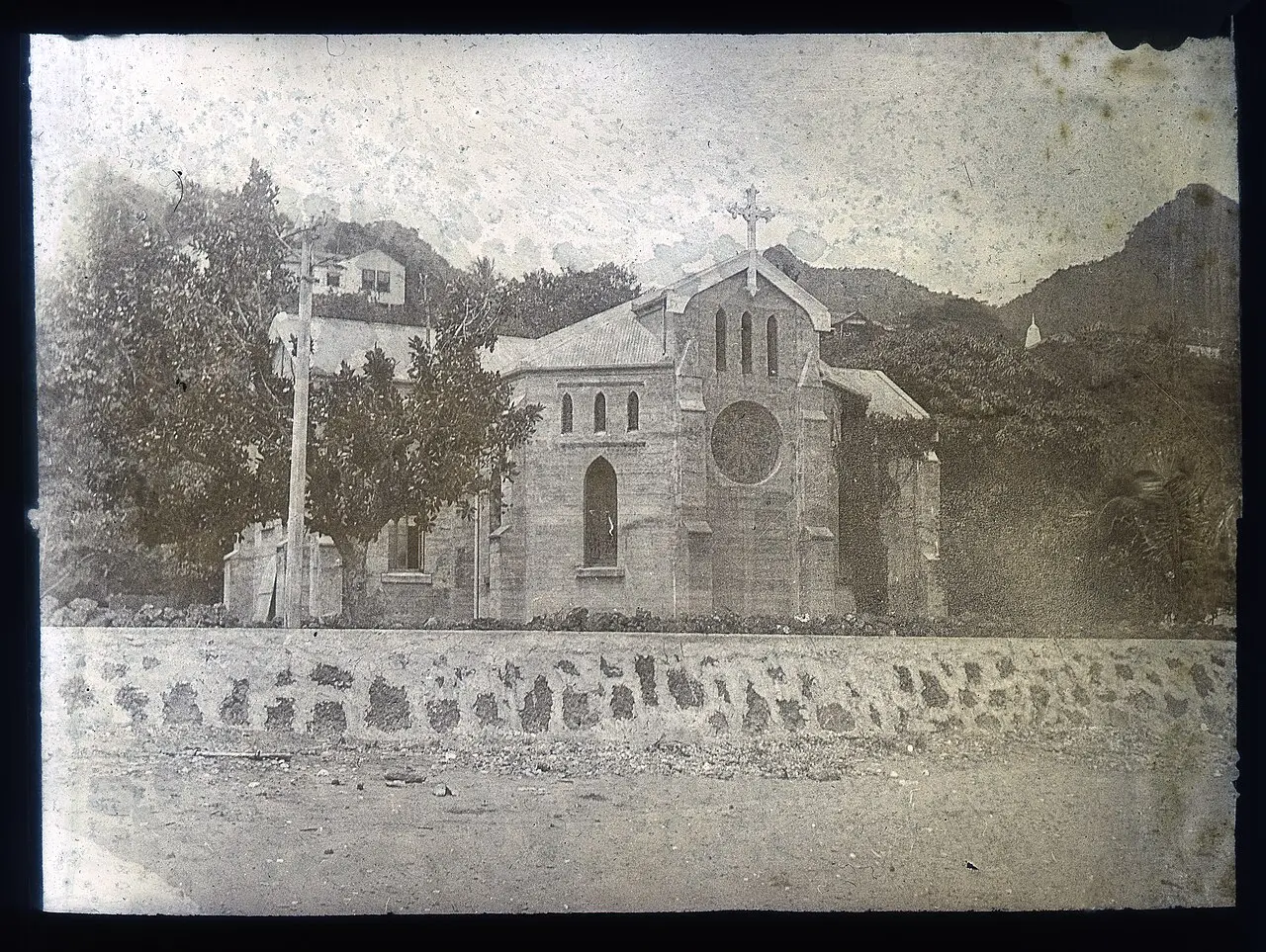 Church of our Holy Redeemer, Levuka, Fiji (2013)
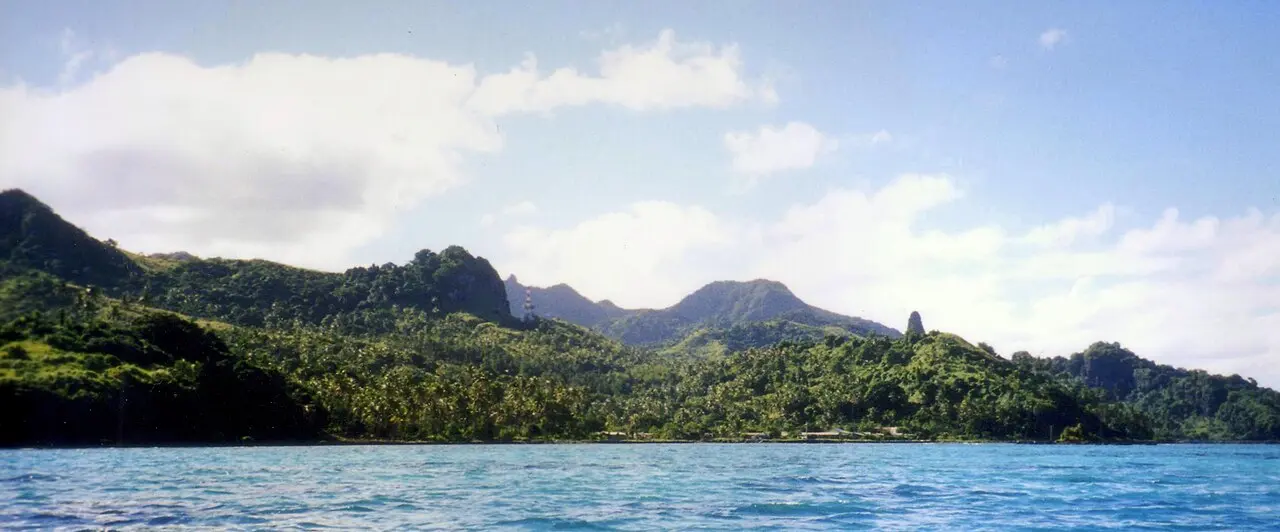 View of south side of the Fijian island of Ovalau (2000)
Sources
More in Traders and Levuka
Tell the museum something
A memory, a correction, or a question. Nothing you send appears on the site. It goes to the museum’s own queue, a person reads it, and they decide. If you teach, know this place, or remember it, your correction is worth more than a compliment.
Holding a longer story — an elder’s, your family’s, your own? Share a story with the museum →
This chapter’s text is awaiting cultural and historical review. Pictures keep the credit and licence of the collection that holds them.