

 1820s to 1882
Levuka, the first capital
1820s to 1882
A port became a meeting place for commerce, religion and political ambition.
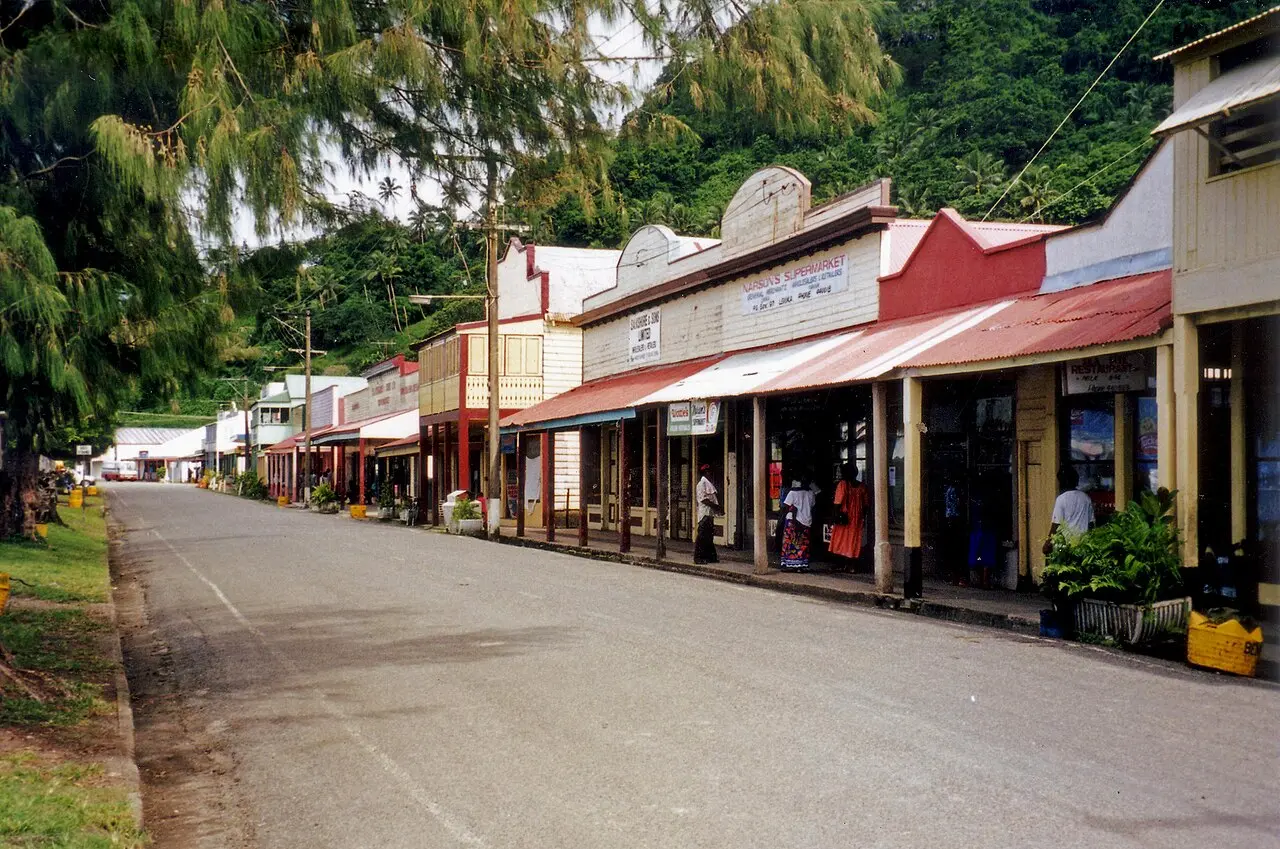
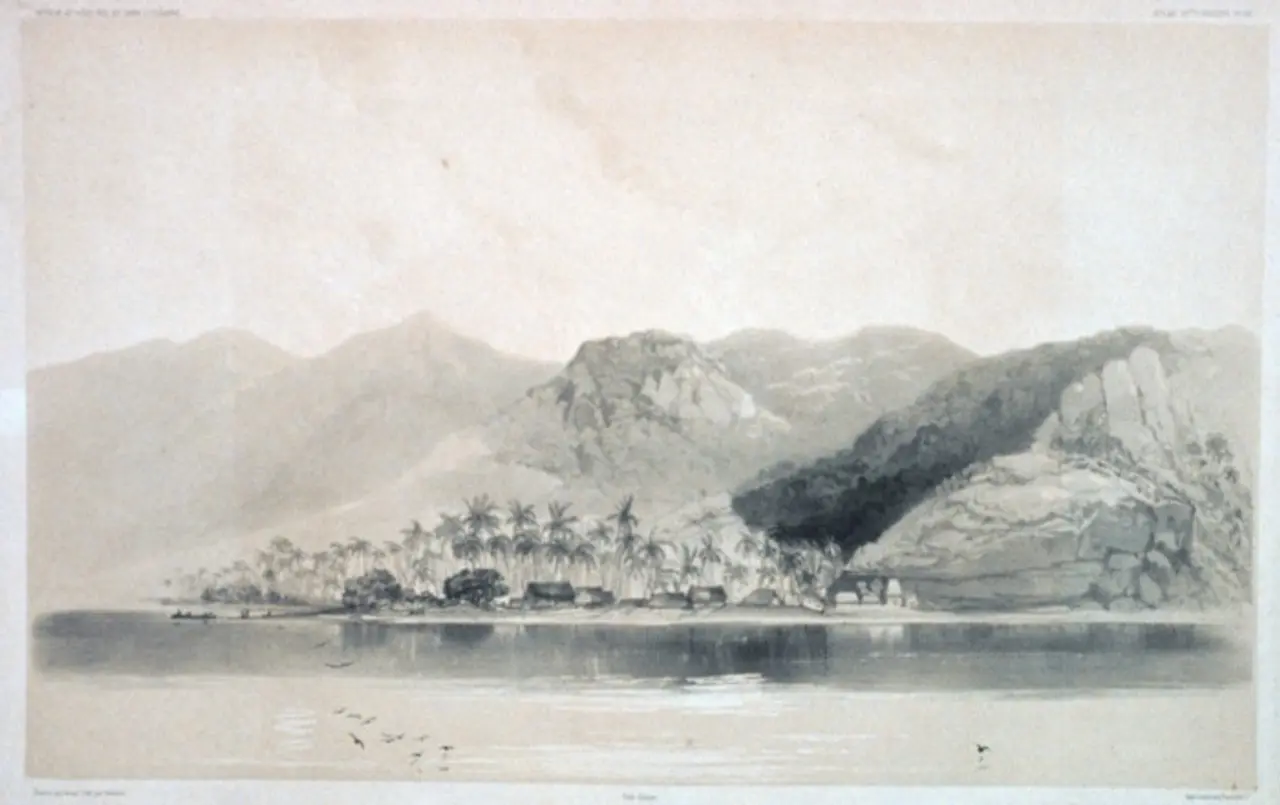
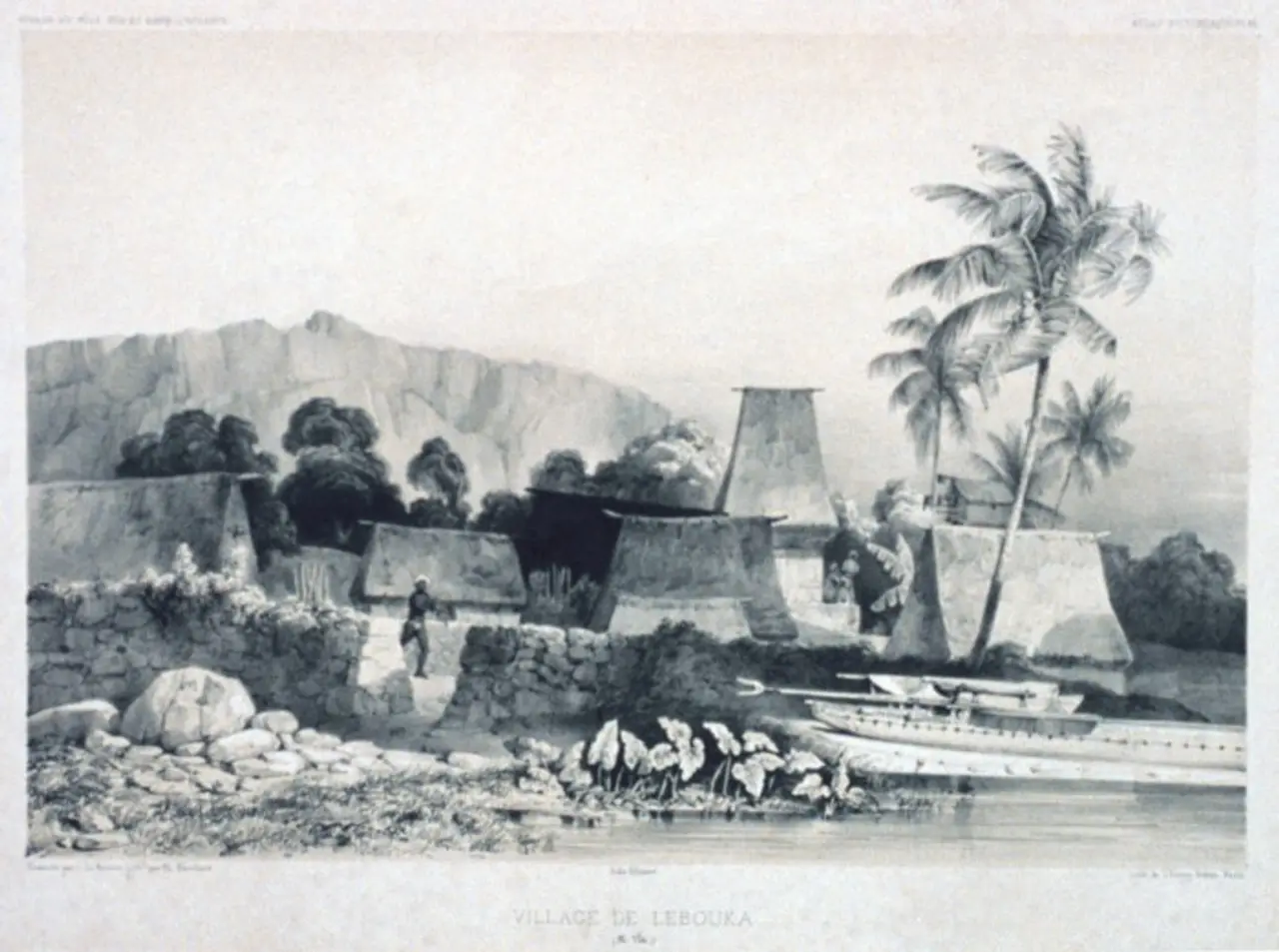
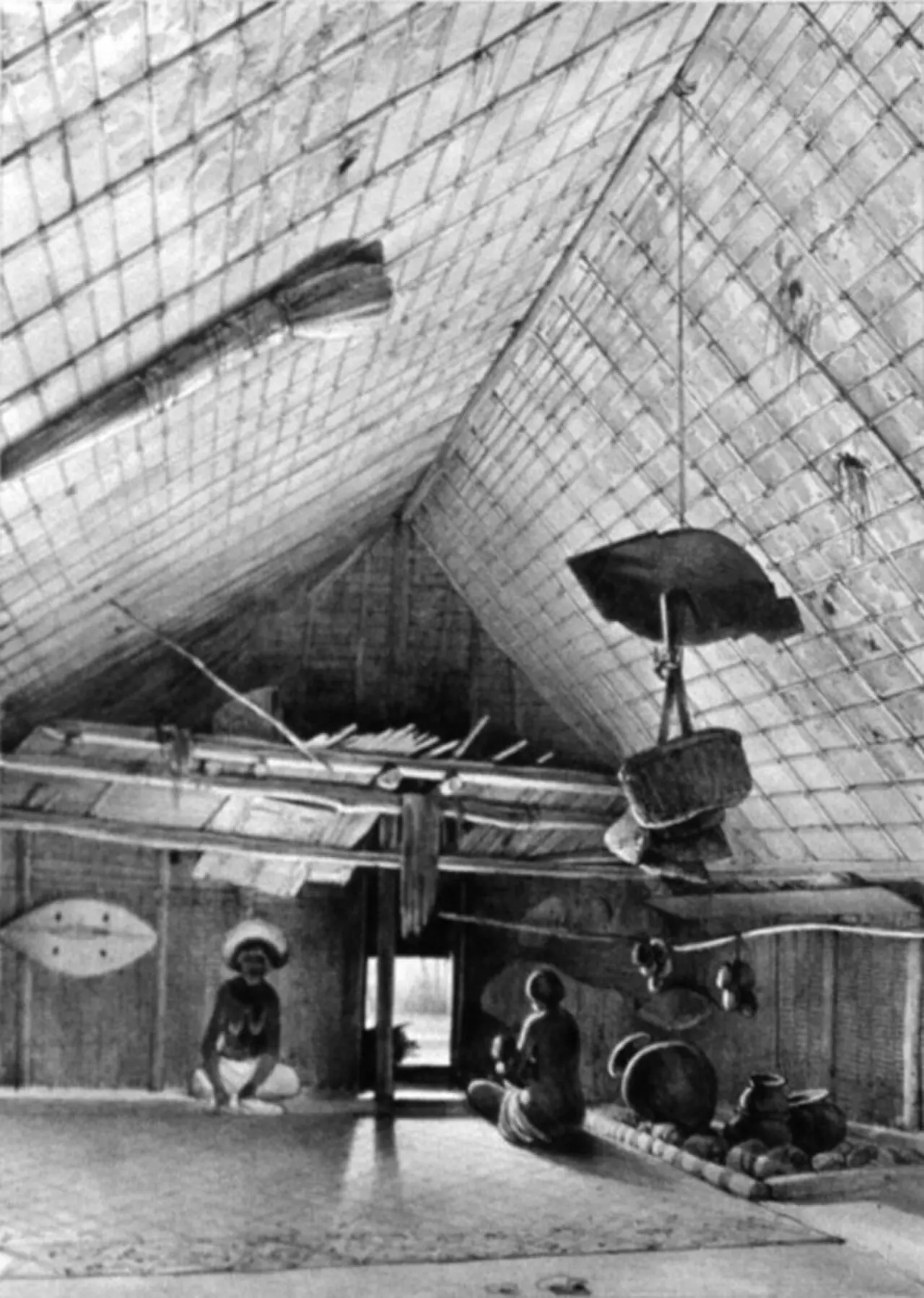
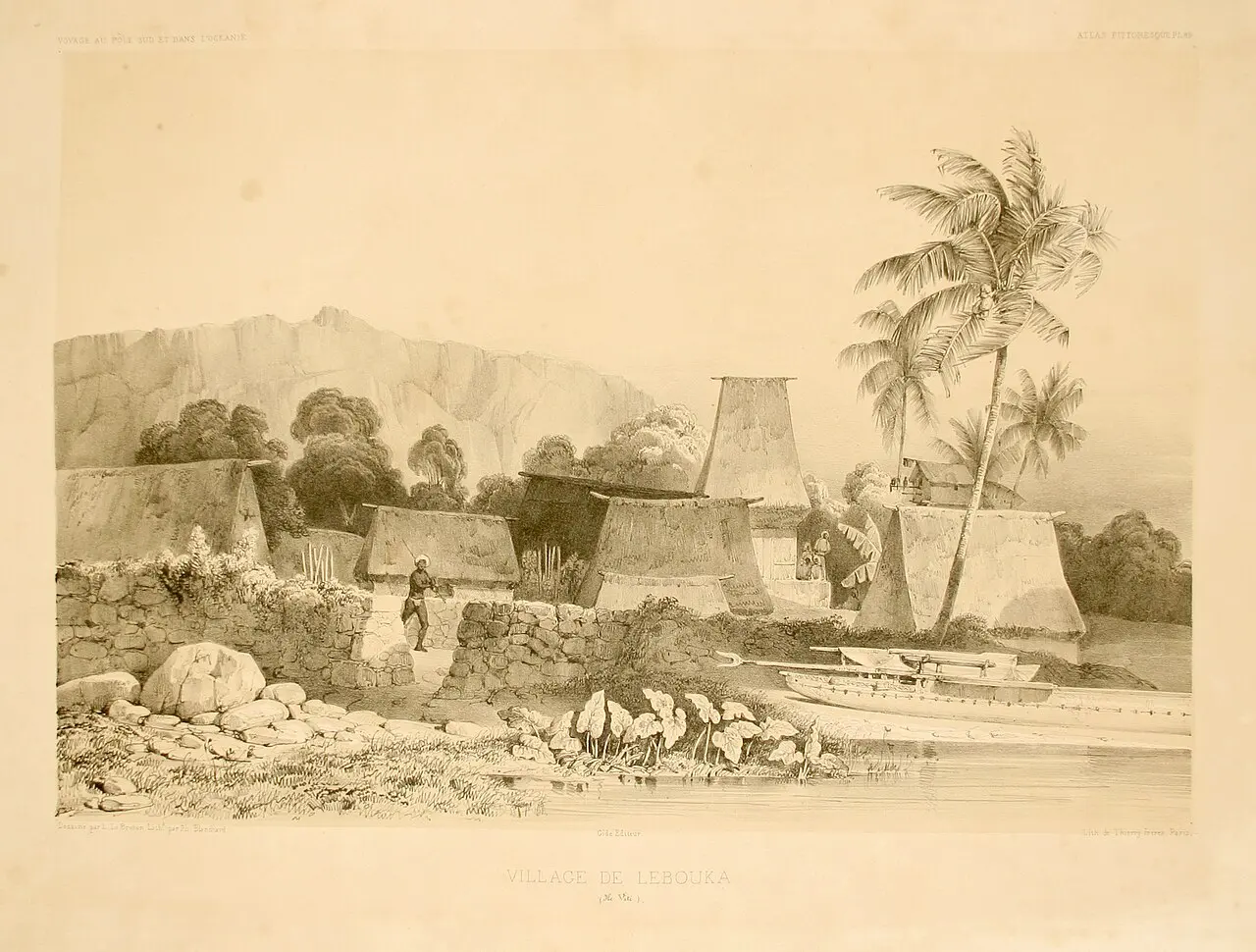
From the 1820s, Levuka developed on Ovalau around existing Indigenous settlements. Stores, warehouses, missions and public institutions grew along its narrow waterfront. The surrounding communities continued to shape the town.
Levuka later served Cakobau’s government and then the British colony. Its buildings connect several histories at once: local land and settlement, visiting merchants, migrant workers and an expanding colonial administration. The capital moved to Suva in 1882, but Levuka remained commercially important.
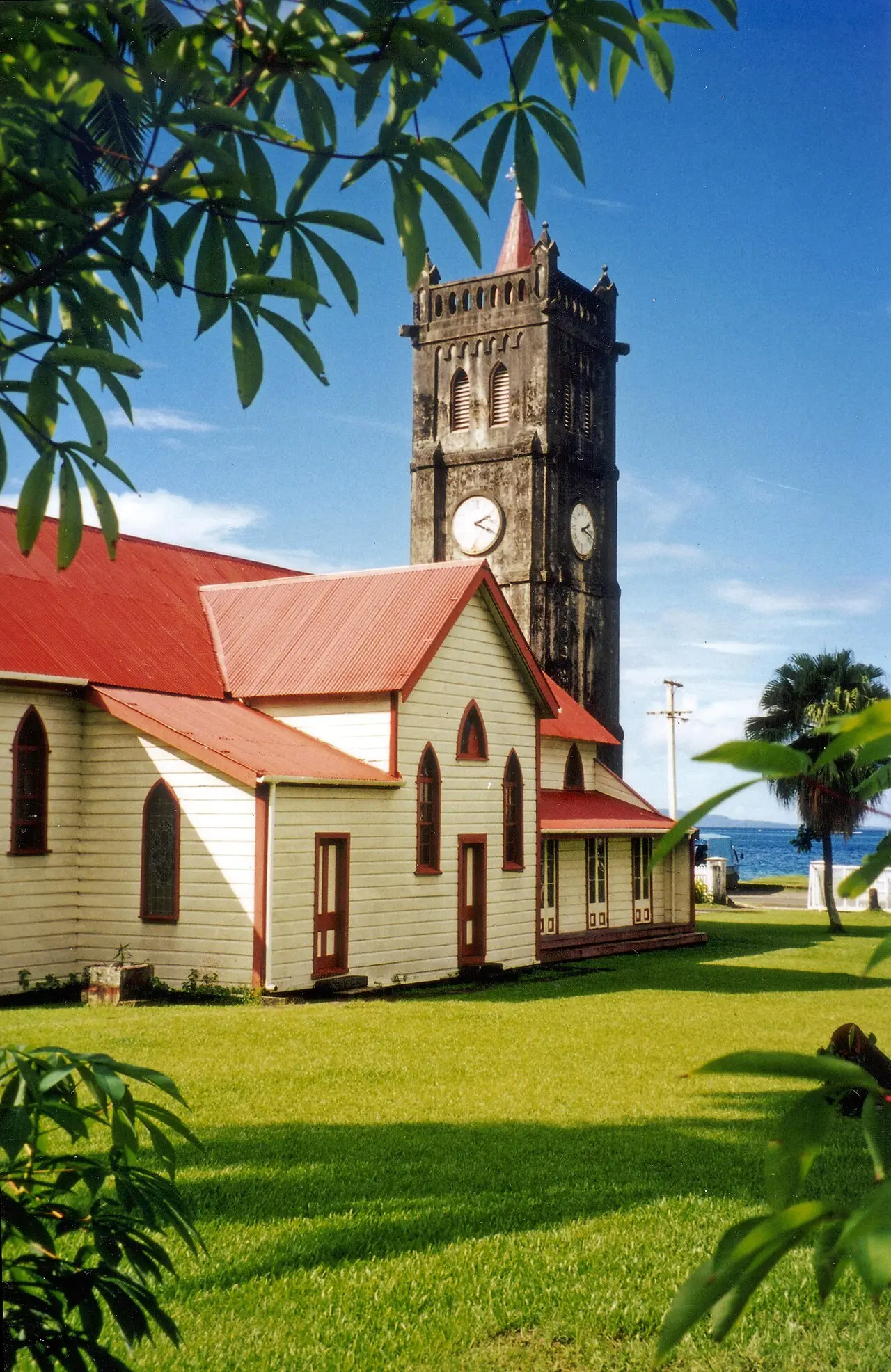
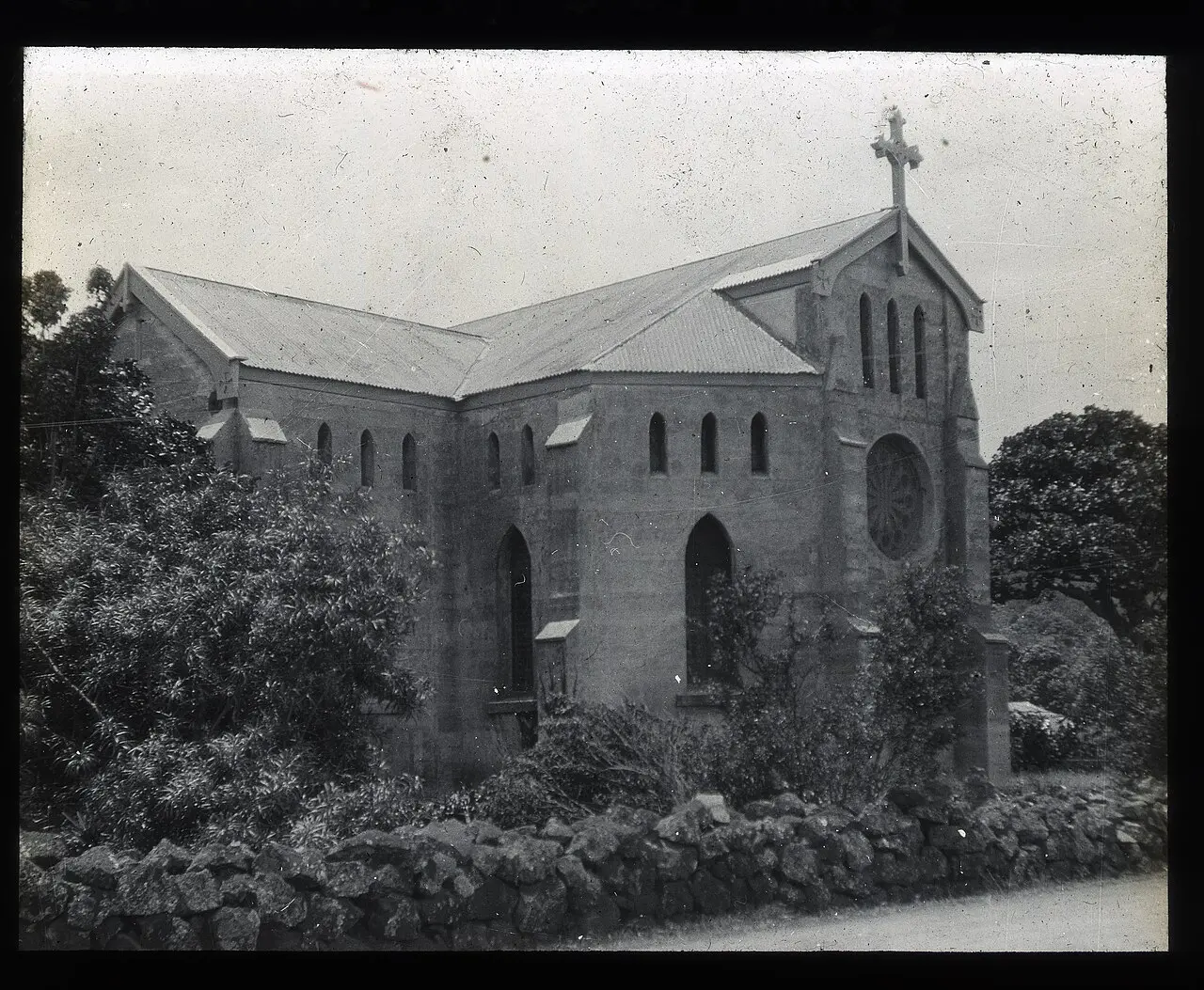
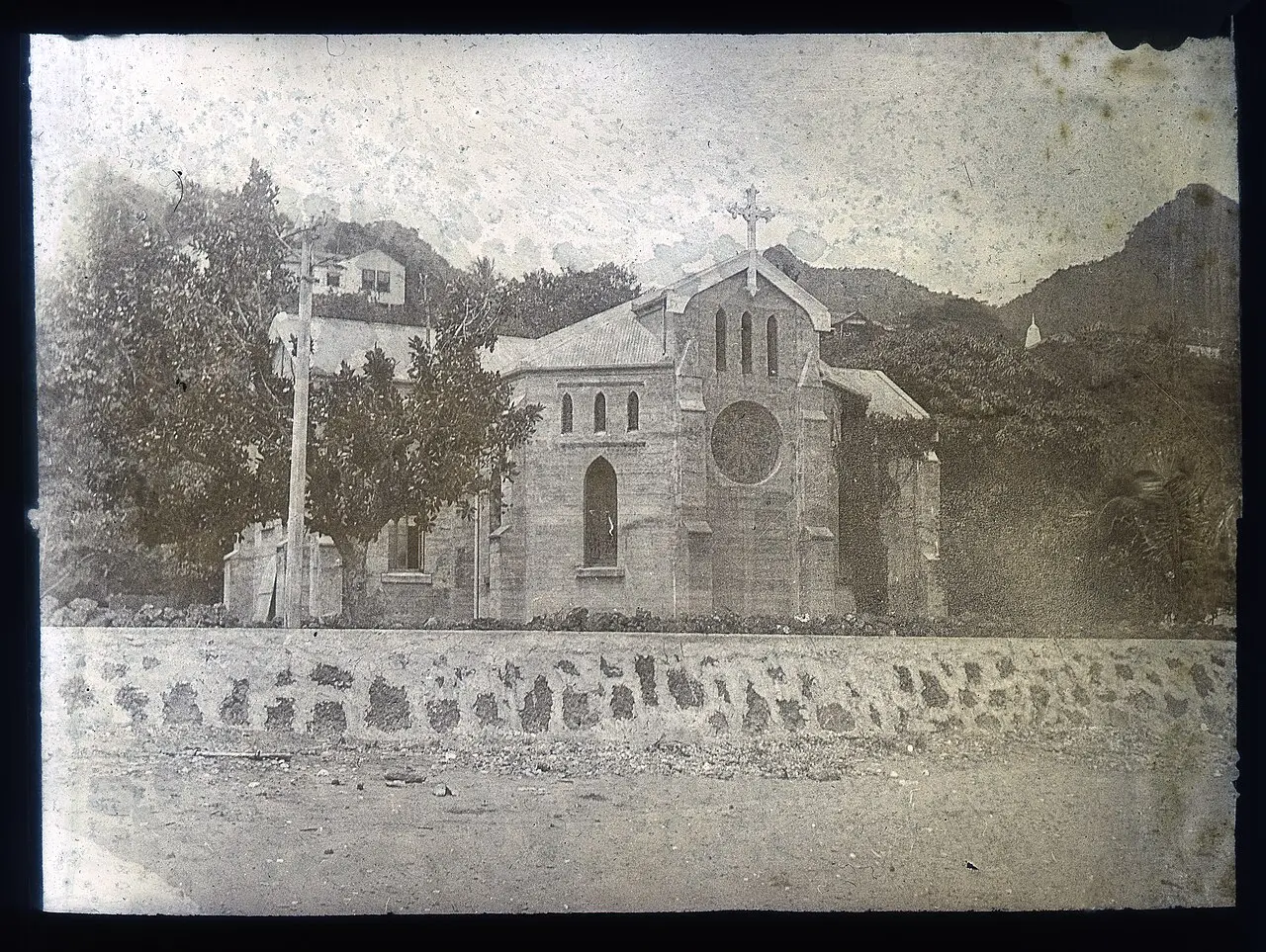
This pictureSacred Heart Church, Levuka , Fiji (2000) · Anton Leddin · CC BY-SA 3.0 · record ↗
Chapter text is awaiting cultural and historical review.
 Dimau Group