

 1875 to 1880
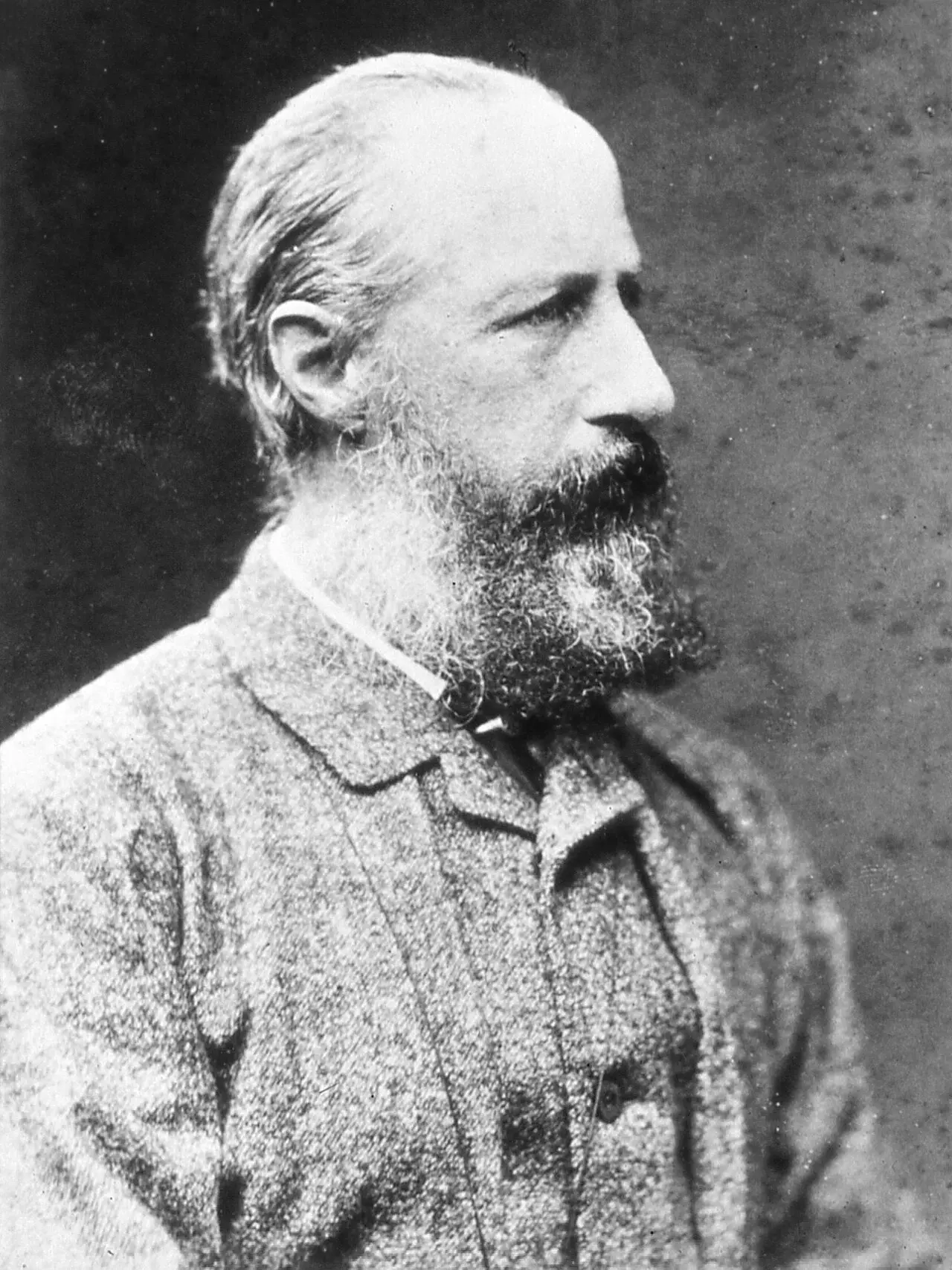
Governor Gordon and the new order
1875 to 1880
Protection and coercion operated within the same colonial system.
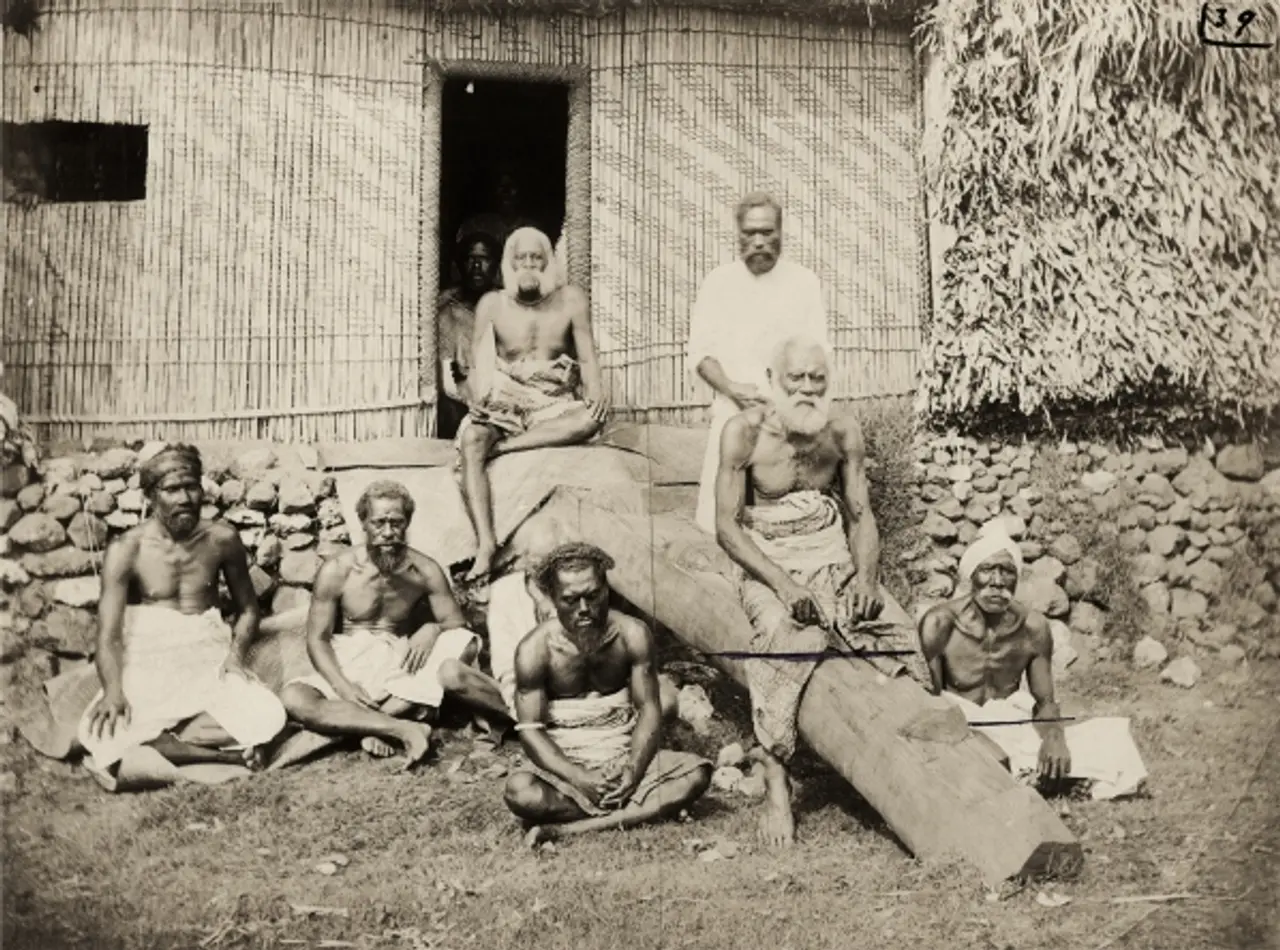
The measles epidemic of 1875 devastated Fijian communities and disrupted leadership and care. Historical estimates of the death toll differ; its scale should not be presented as an exact count.
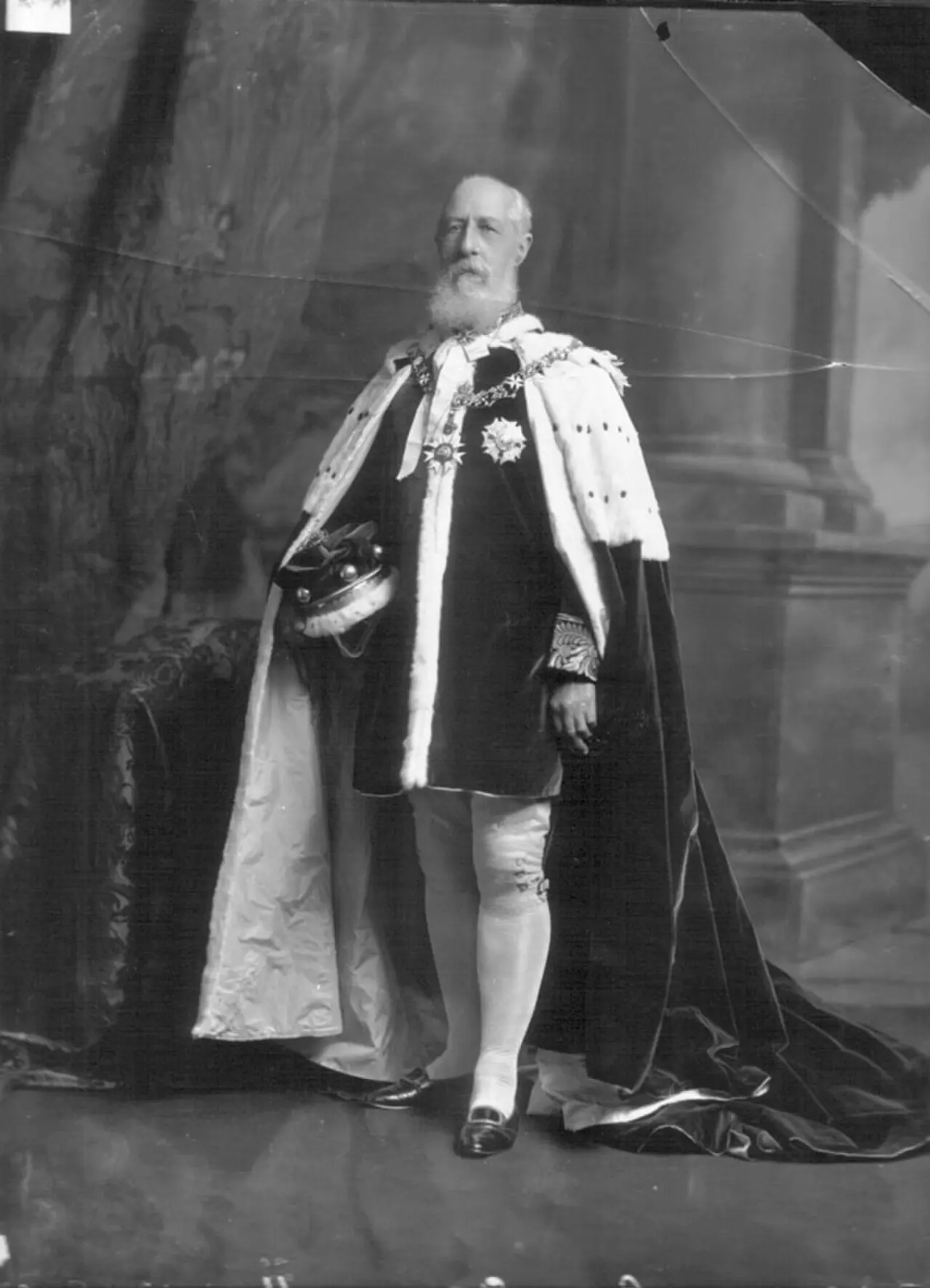
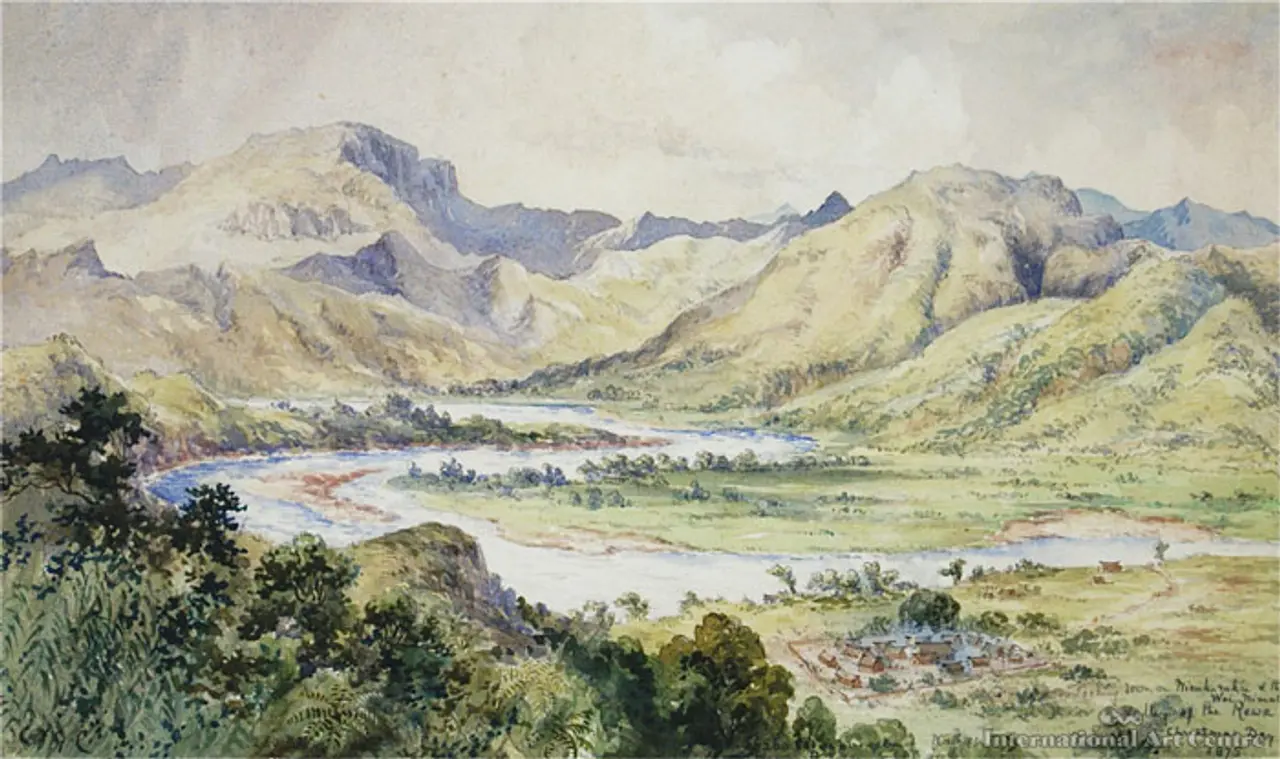
Arthur Gordon, governor from 1875, pursued indirect administration through chiefs and protection of Indigenous land against further alienation. These policies also placed communities within colonial authority. The 1876 campaign against resistance in the interior shows the coercive side of that order.
Plantation employers still sought labour. Gordon’s policy helped turn that demand towards indentured migration from India, connecting the histories of land, empire and Girmit.
- Wikipedia: Arthur Gordon ↗
- Wikipedia: Colony of Fiji ↗
- University of the South Pacific · Epidemics in Fiji’s history ↗
- Cambridge MAA · Chiefs and Governors ↗
This pictureArthur Hamilton-Gordon (1870) · Unknown author · Public domain · record ↗
Chapter text is awaiting cultural and historical review.
 Dimau Group