 1860s to 1911
c. 1000 BCE164317741804Early 1800s12 October 1835185330 April 18541855187110 October 1874By 187514 May 18791916192010 October 1970
Plantations and the labour trade
1860s to 1911
Export crops linked land and labour to an imperial economy.
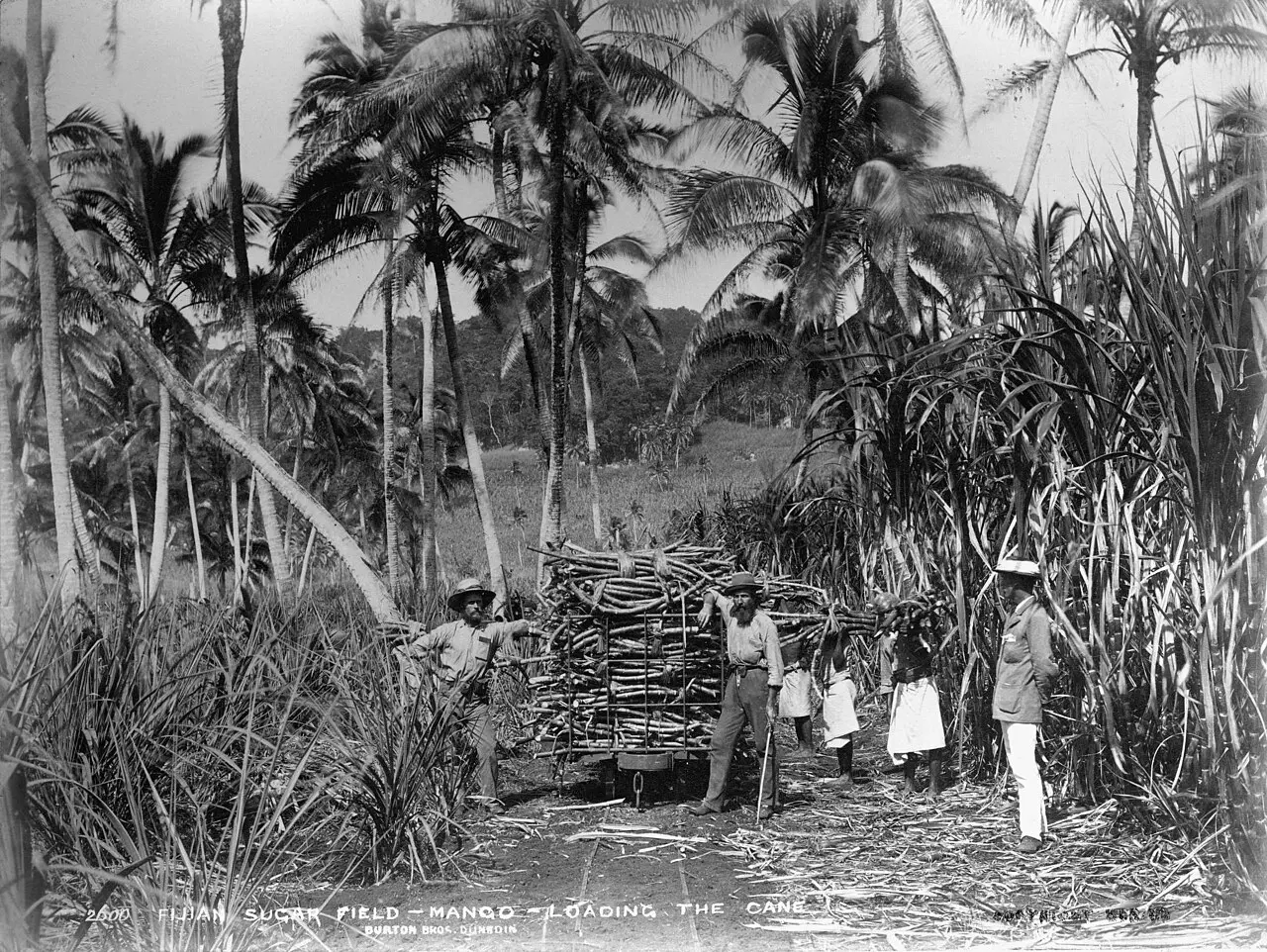
Plantations depended on people as much as on land. Cotton, copra and later sugar production drew workers into commercial agriculture under unequal conditions.
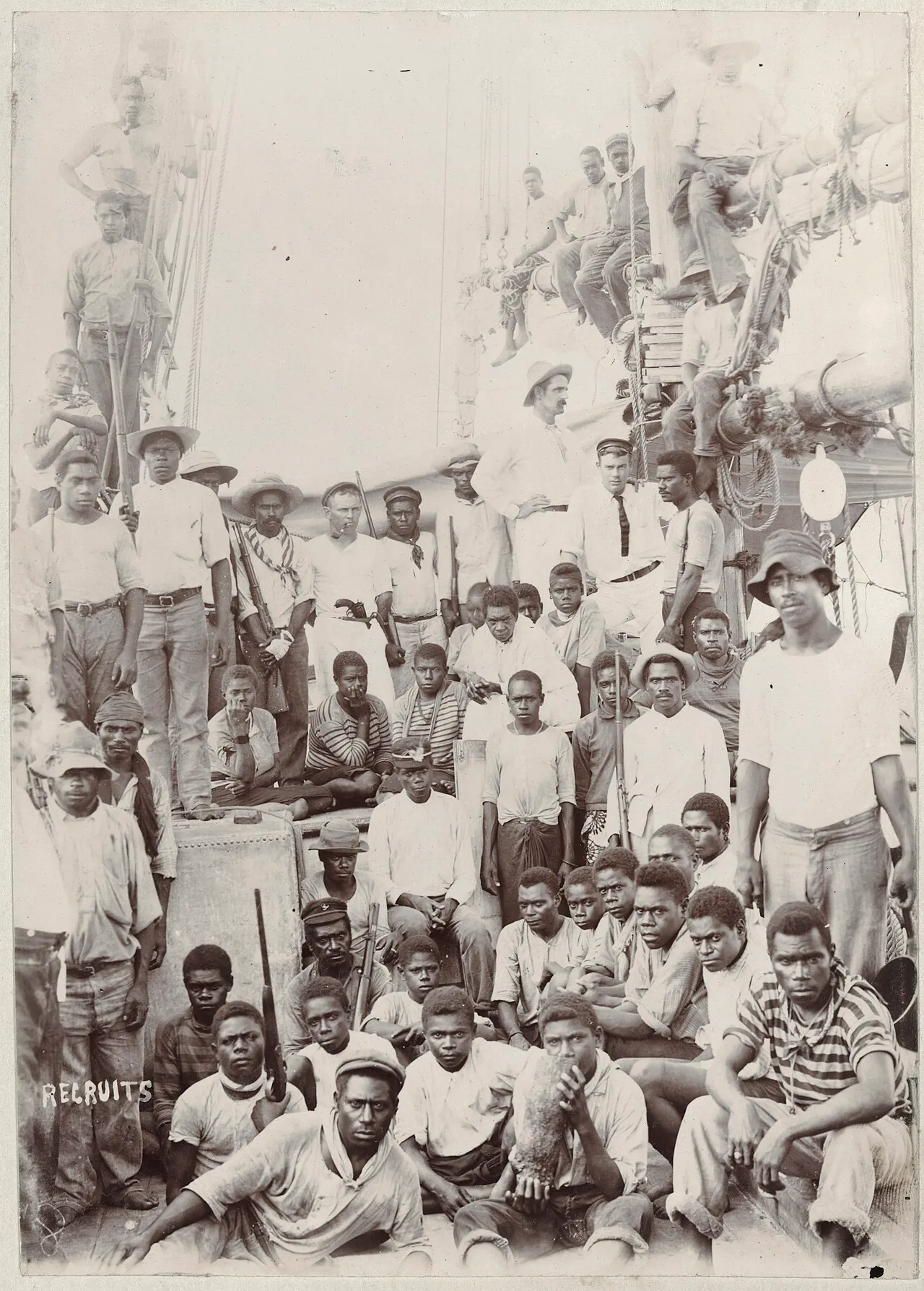
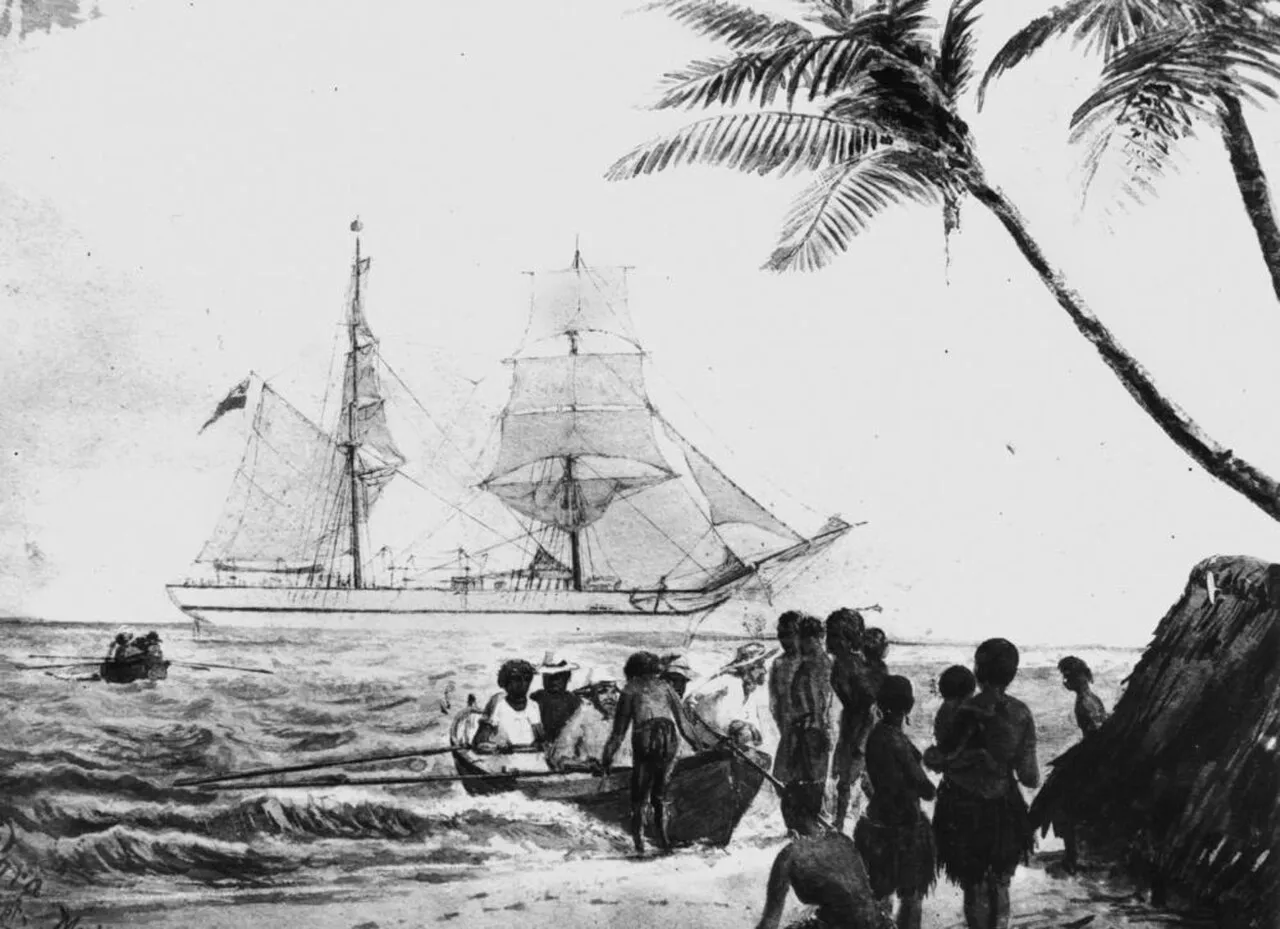
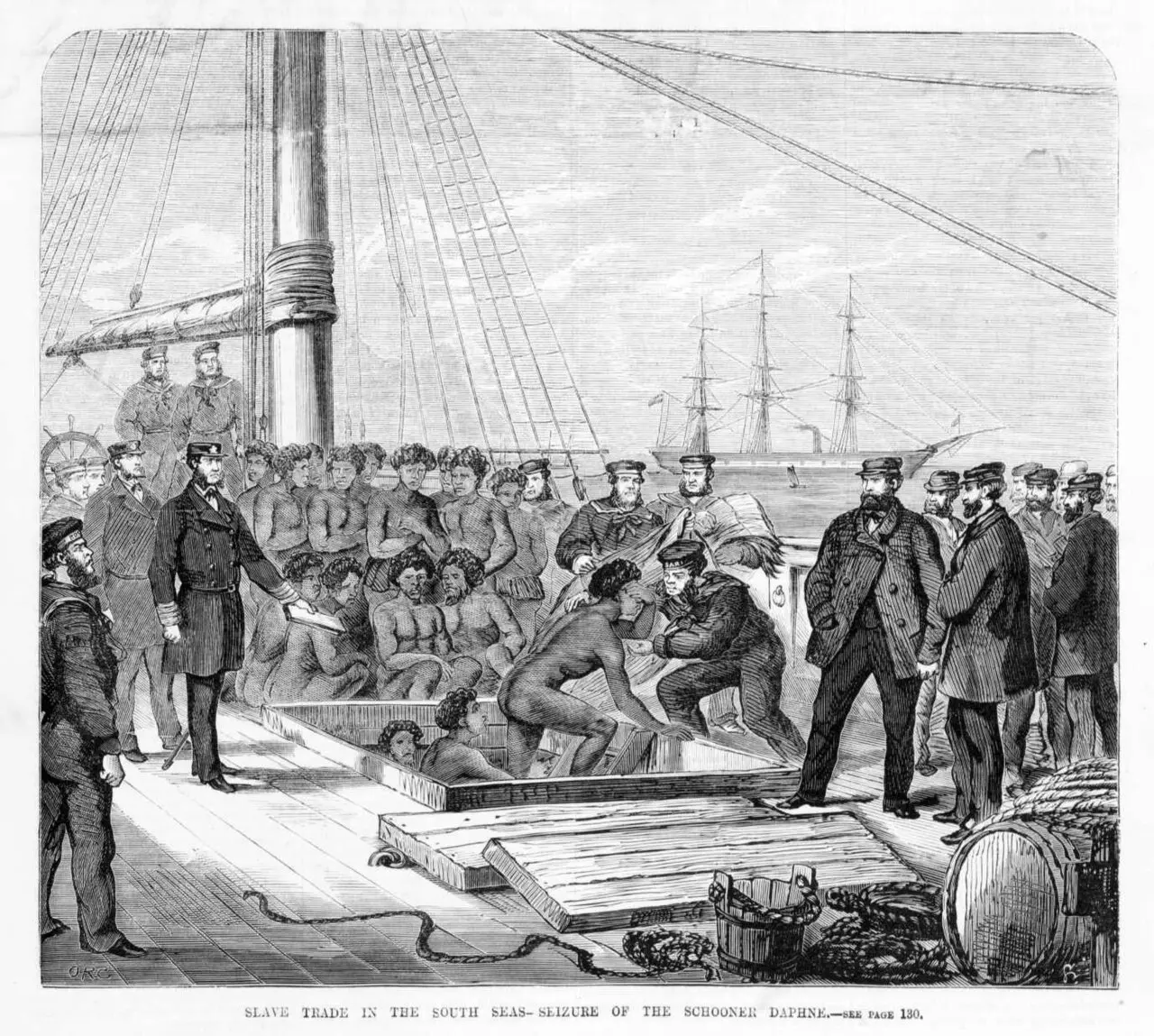
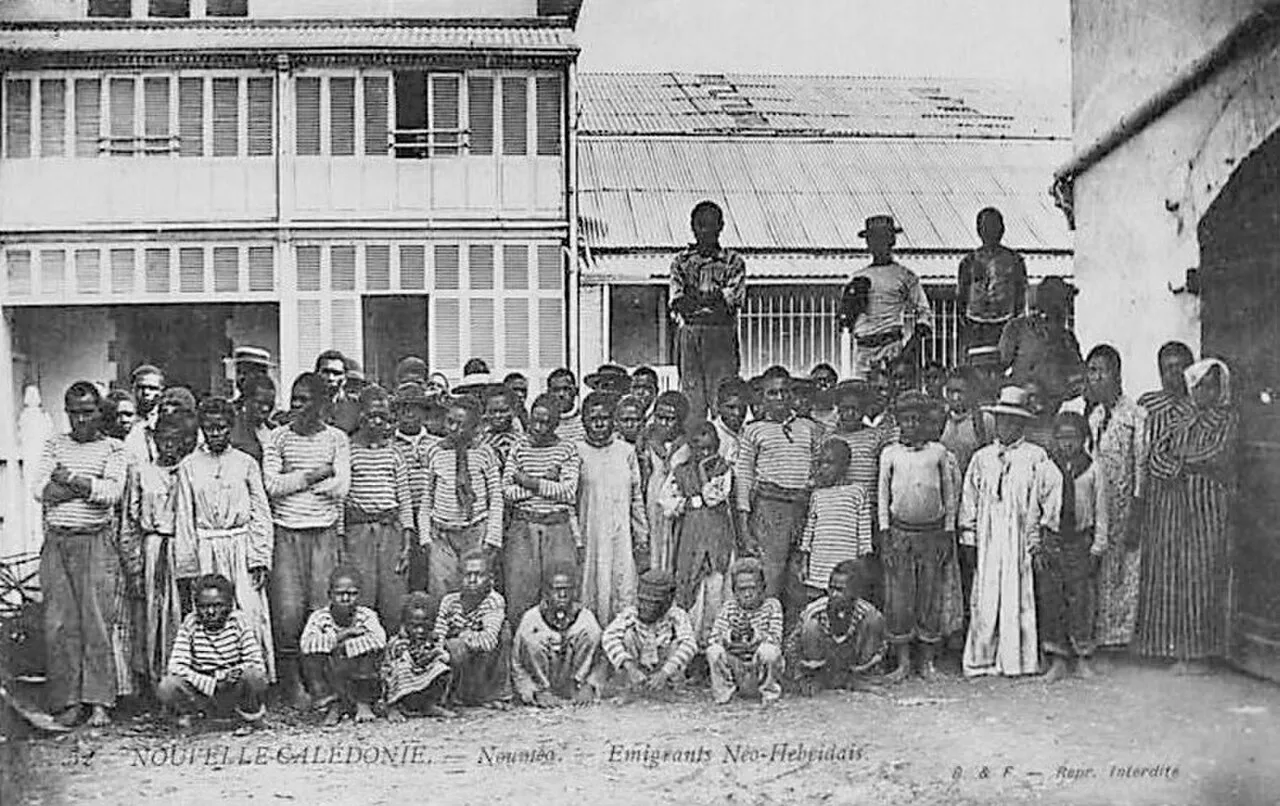
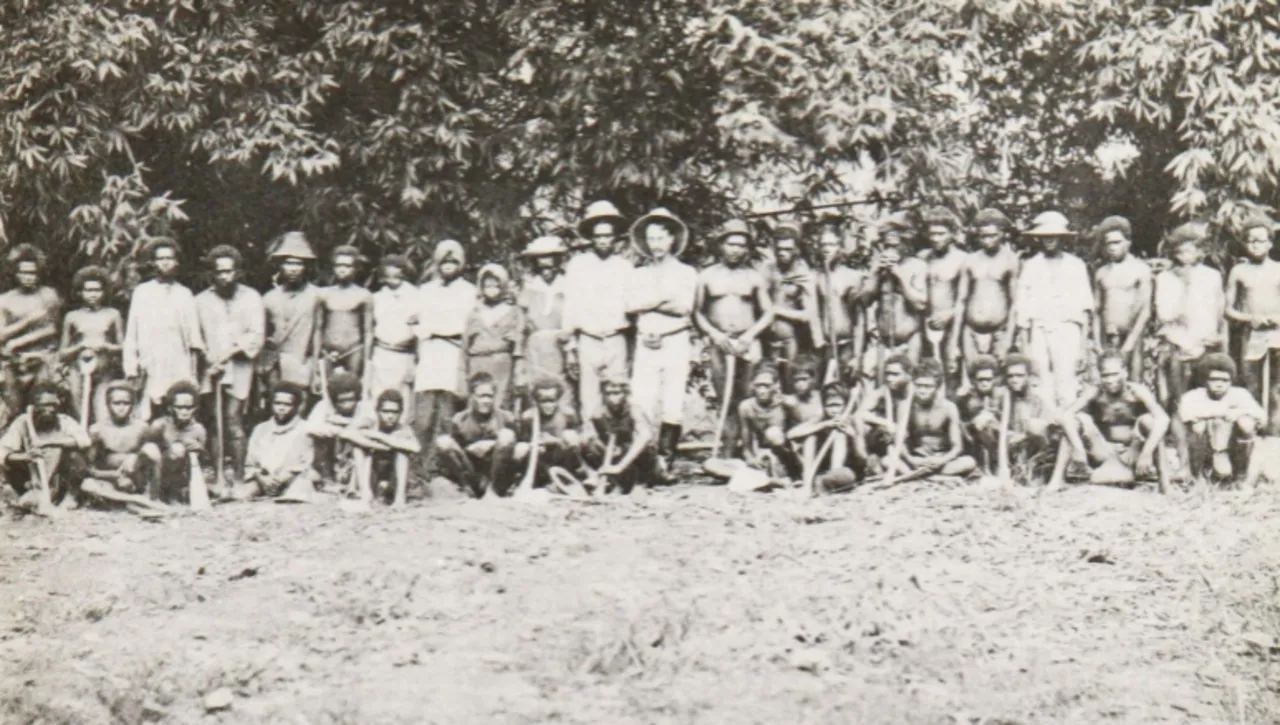
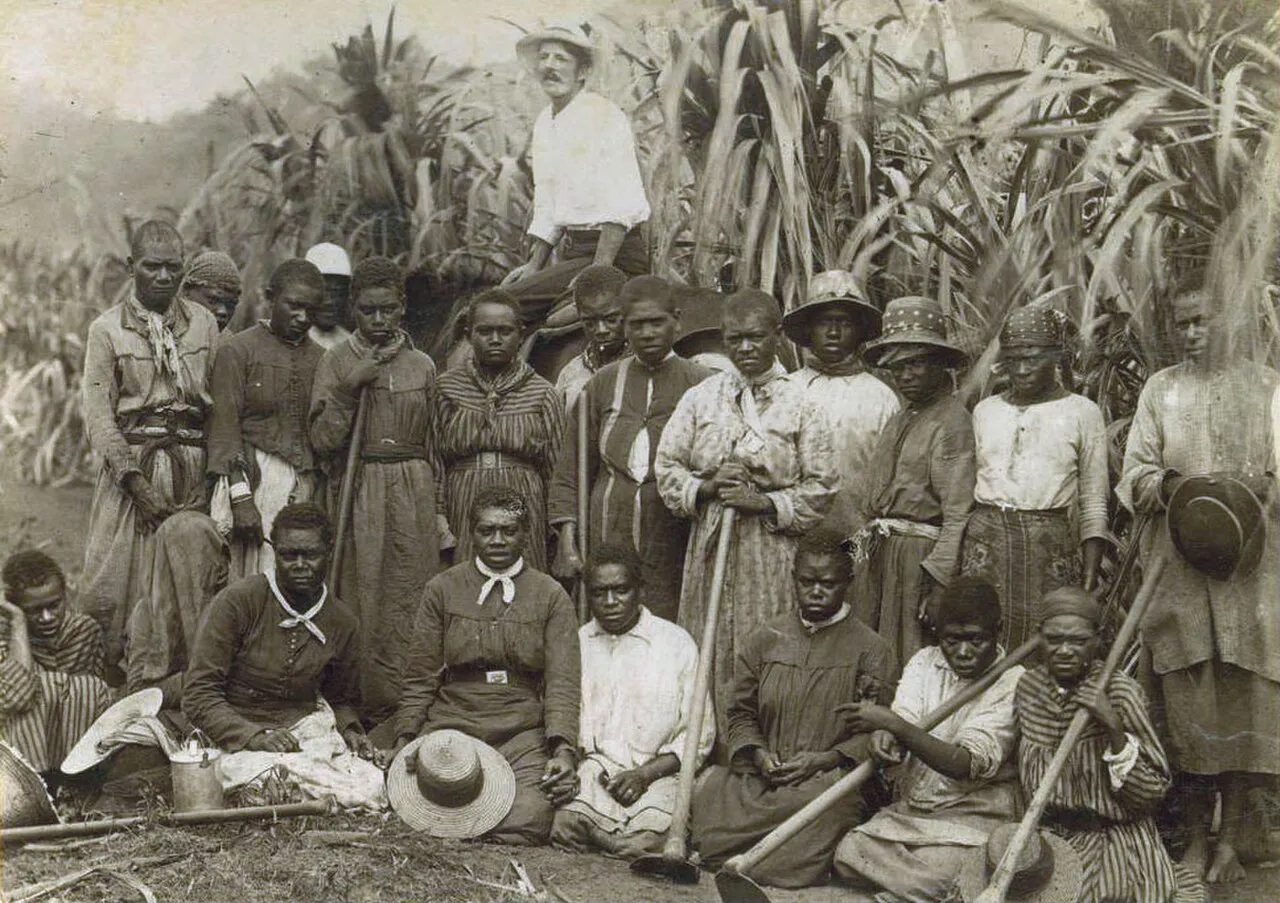
Pacific Islanders were recruited from places including what are now Vanuatu and Solomon Islands. Some recruitment involved deception or force, often described as blackbirding. Their history is connected to, but distinct from, Indian indenture. Both belong in an account of Fiji’s colonial labour system.
Sources
- Wikipedia: Blackbirding ↗
- Wikipedia: History of Fiji ↗
- Fiji Government · 146th Girmit commemoration ↗
- Cambridge MAA · Chiefs and Governors ↗
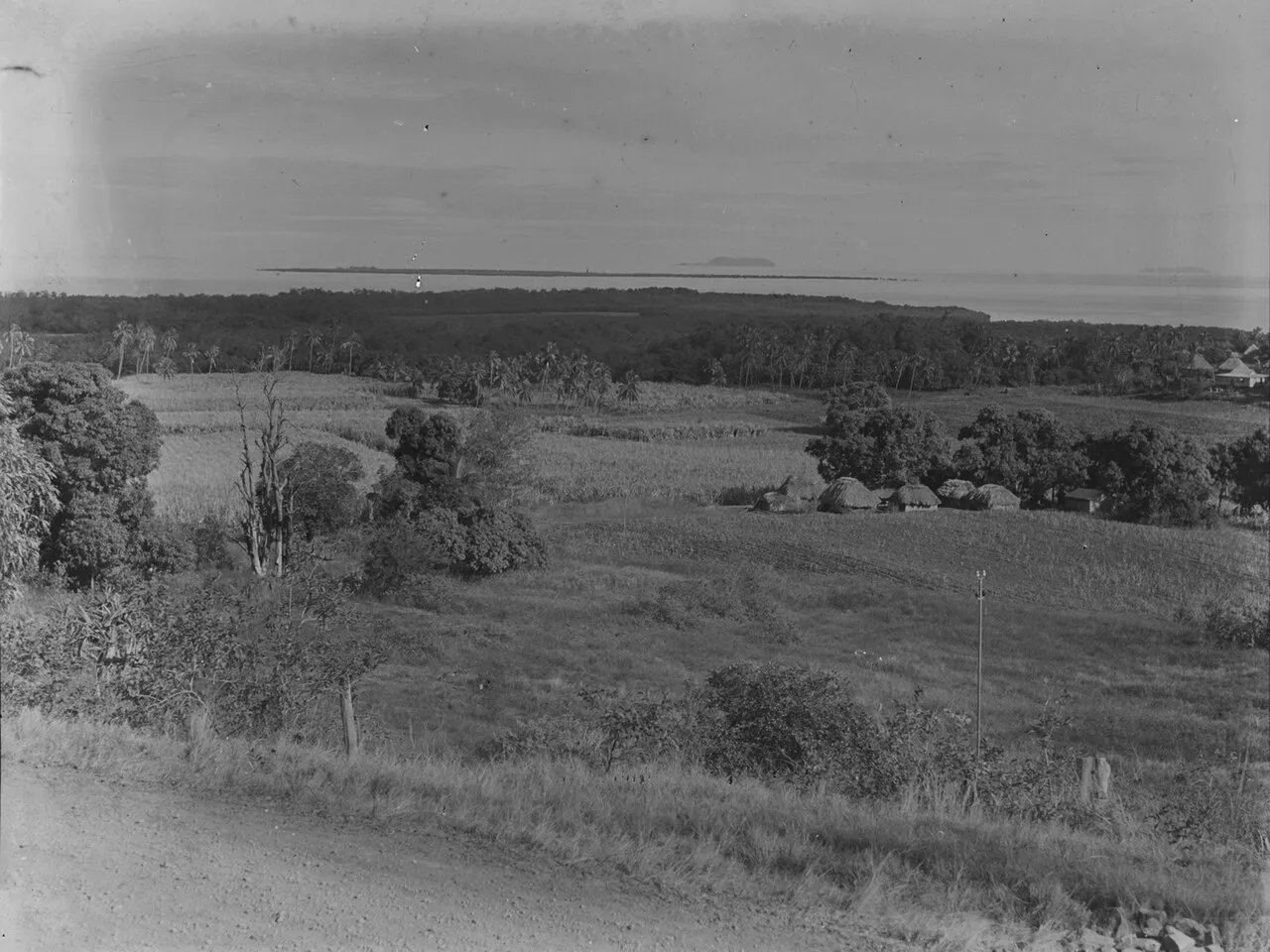
This pictureVanuatuan recruits for sugar plantations in Australia, Vanuatu, c. (1910) · Unknown author · Public domain · record ↗
Chapter text is awaiting cultural and historical review.
 Dimau Group